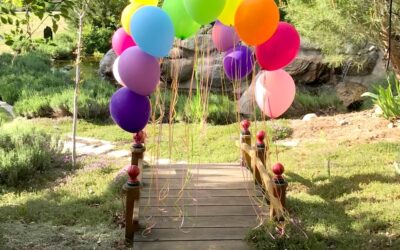
When students are intrinsically motivated, they approach learning with confidence in their own growth and a belief that their actions have value. They are more likely to take initiative, embrace challenges, and engage deeply with their work—not for a reward, but for the joy of learning itself.
In Montessori environments, this inner drive is carefully protected and nurtured. Rather than relying on external rewards or punishments, educators guide students toward connecting with their own internal motivations. In doing so, students develop a strong sense of autonomy, purpose, and mastery—key components of emotional intelligence and lifelong learning.
Intrinsic motivation is also closely tied to a growth mindset. Students begin to understand that abilities are not fixed, but can develop through effort and experience. Mistakes are no longer something to avoid, but opportunities to learn. This resilience supports students in trying again, working through challenges, and integrating new understanding.
Research consistently shows that external motivators, such as praise or rewards, may influence behavior in the short term but often undermine long-term motivation. Studies by Mary Budd Rowe (1) found that students who received frequent praise were more hesitant, less likely to persist through difficulty, and more dependent on adult approval. Similarly, research by Joan Grusec (2) revealed that students praised for generosity were, over time, slightly less likely to act generously in everyday situations.
Montessori education takes a different approach—one that supports the development of genuine, lasting motivation from within.
How Montessori Fosters Intrinsic Motivation
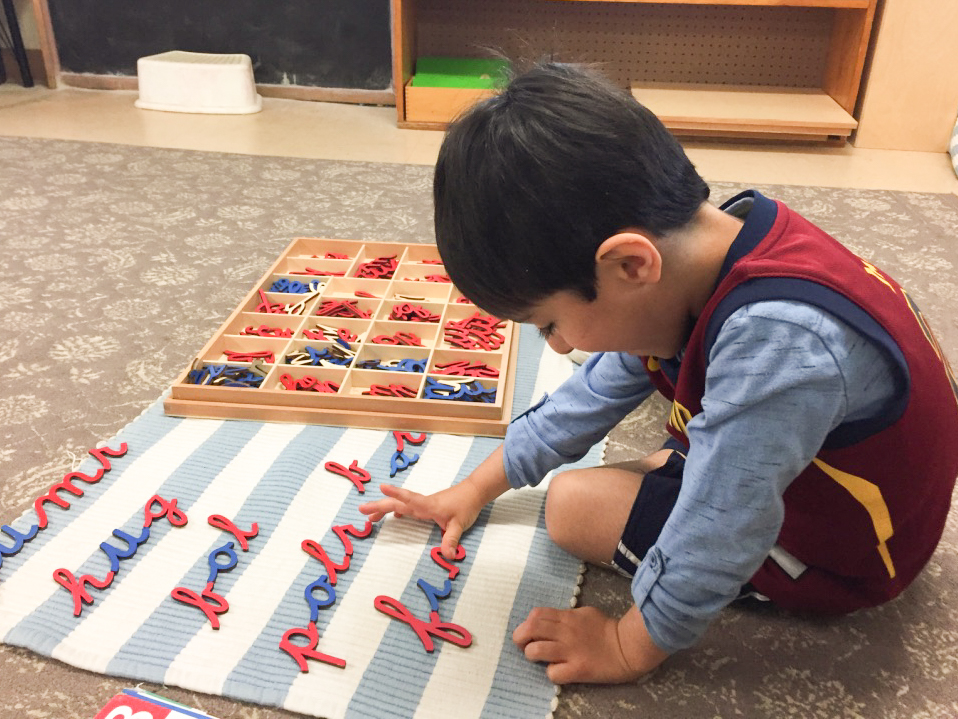
Hands-on Exploration
Montessori classrooms are intentionally designed with accessible, engaging materials that invite hands-on exploration, fostering curiosity and initiative. Lessons are designed to “plant seeds of interest,” providing just enough to spark curiosity, leaving space for self-discovery.
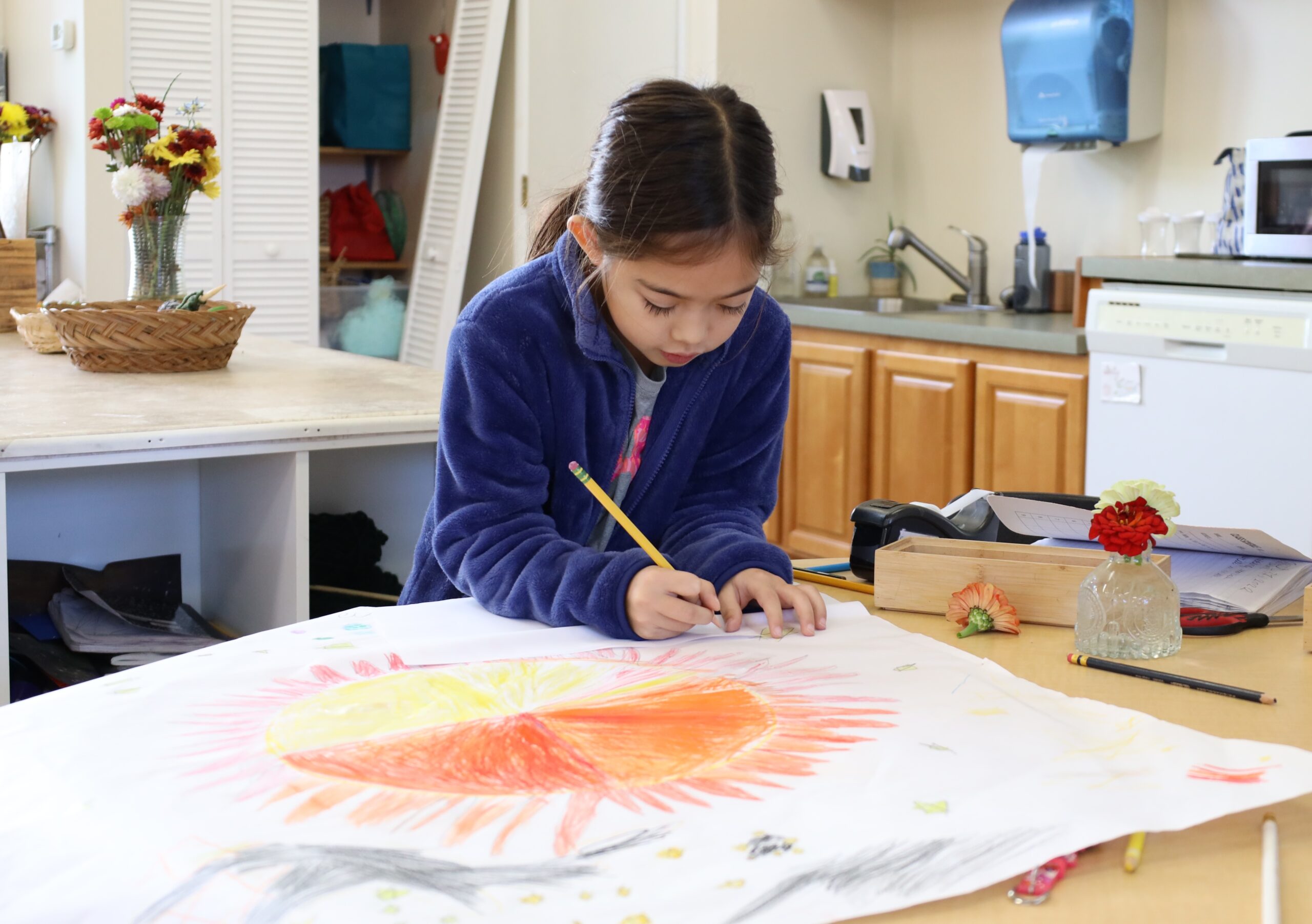
Freedom of Choice
Students enjoy the freedom to choose work that aligns with their genuine interests, choosing both their path of exploration and how they demonstrate mastery. This autonomy cultivates deep-seated curiosity, proactive initiative, and a profound sense of ownership over their educational journey.
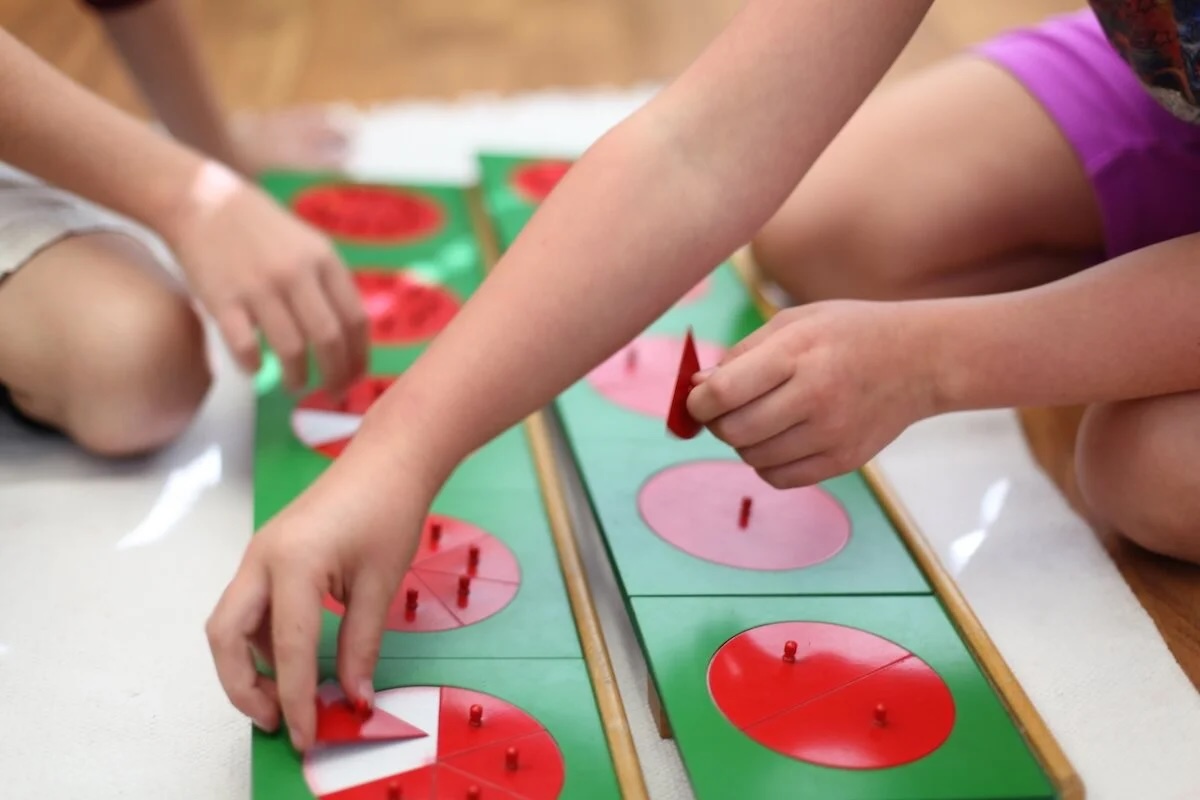
Self-Correcting Materials
Montessori materials are designed to reveal errors independently, allowing students to recognize and correct mistakes on their own. The opportunity to make mistakes, persevere, and overcome worthy challenges builds confidence, problem-solving skills, and internal satisfaction. In addition, Guides avoid unnecessary correction. Instead, when they observe that a child needs support, they re-present the lesson, preserving confidence and motivation.
Focus on Process Over Product
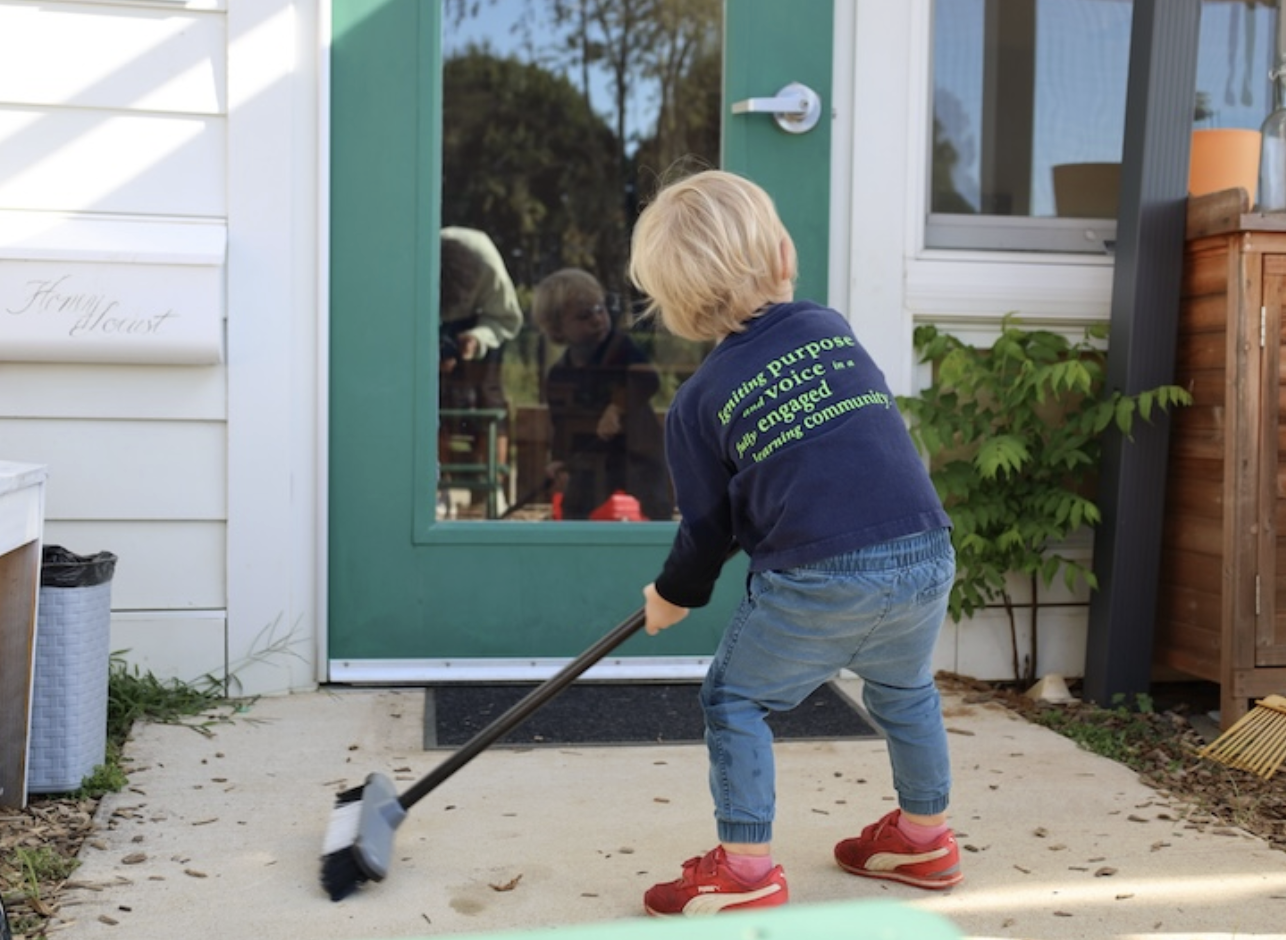
Rather than offering generic praise or offering rewards (like stars, stickers, or even grades), educators intentionally acknowledge effort, strategy, and growth. Over time, this fosters a classroom culture in which students take genuine pride in their progress and develop an internal sense of accomplishment, rather than relying on external validation.
Mixed-Age Classrooms
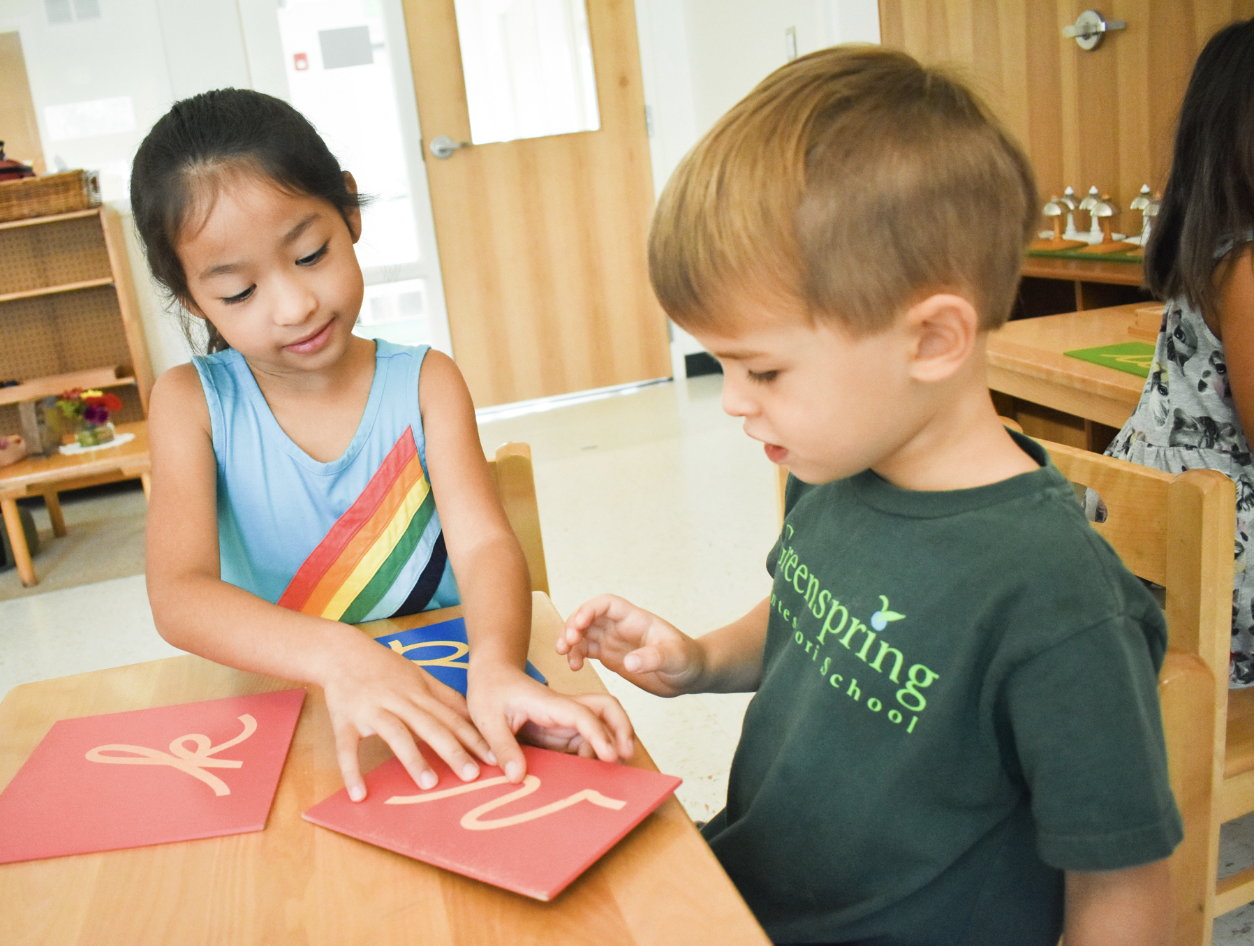
Learning alongside peers of different ages encourages collaboration, inspiration, and confidence. Younger students are motivated through observation, while older students deepen their understanding by mentoring others, reinforcing their own knowledge and sense of responsibility.
Learning in Context
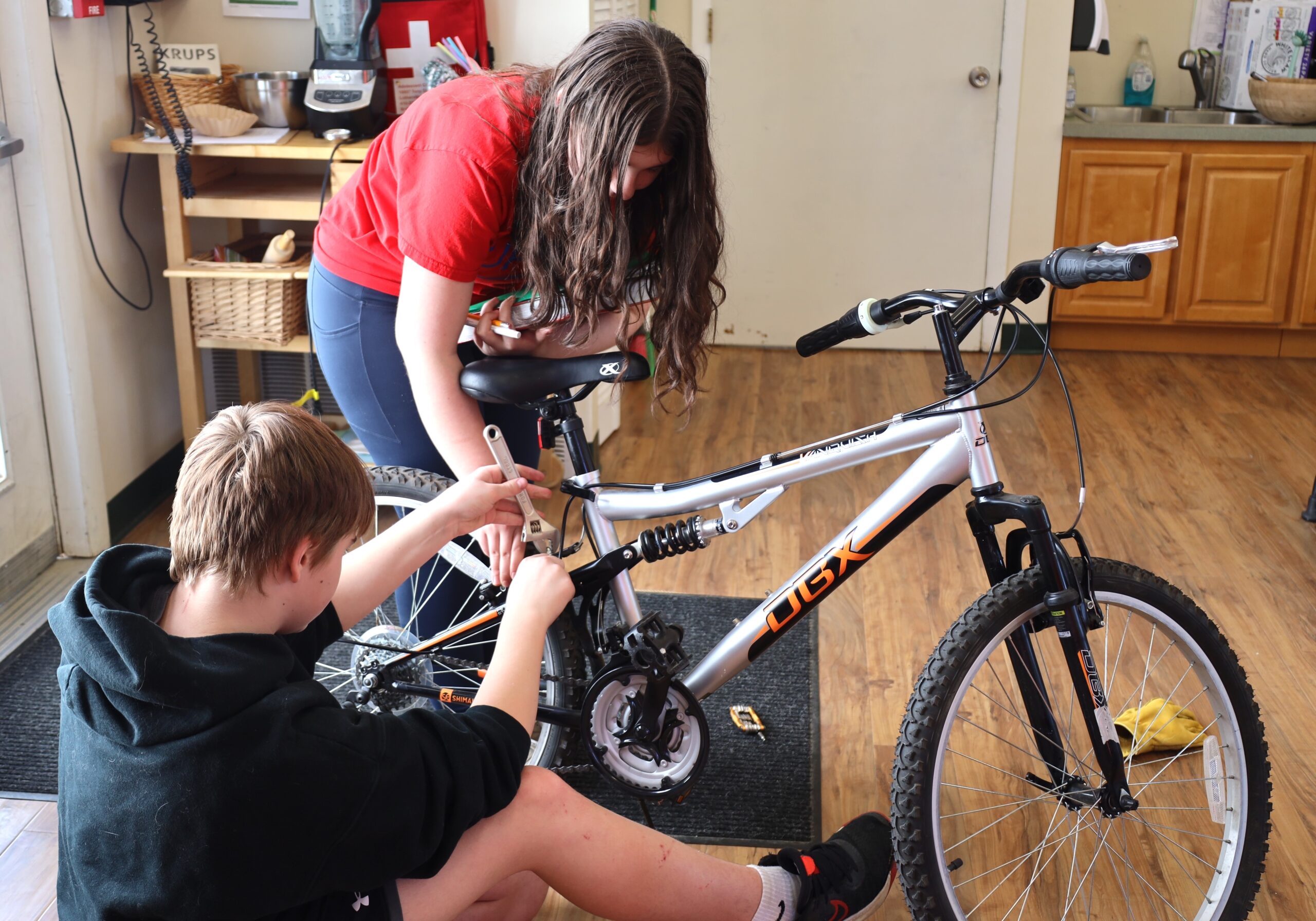
Context comes before content. Students explore, observe, and discover, which allows for deep understanding rather than mere memorization. And when learning is connected to real life, it brings deep purpose and meaning to academic work.
By fostering intrinsic motivation, Montessori education transforms learning from an obligation into a deeply satisfying experience. Students develop resilience, independence, and a genuine love of learning—qualities that extend far beyond the classroom.
Sources:
(1) Rowe, M. B. (1974). “Wait-time and rewards as instructional variables, their influence on language, logic, and fate control: Part one-wait-time.” Journal of Research in Science Teaching.
(1) Rowe, M. B. (1974). “Relation of wait-time and rewards to the development of language, logic, and fate control: Part two-rewards.” Journal of Research in Science Teaching.
(2) Grusec, J. J. (1991). “Socializing concern for others in the home.” Developmental Psychology.
(2) Grusec, J. J., & Redler, E. (1980). “Attribution, reinforcement, and altruism: A developmental analysis.” Developmental Psychology.