Spring in Our Outdoor Environments

Spring in Our Outdoor Environments

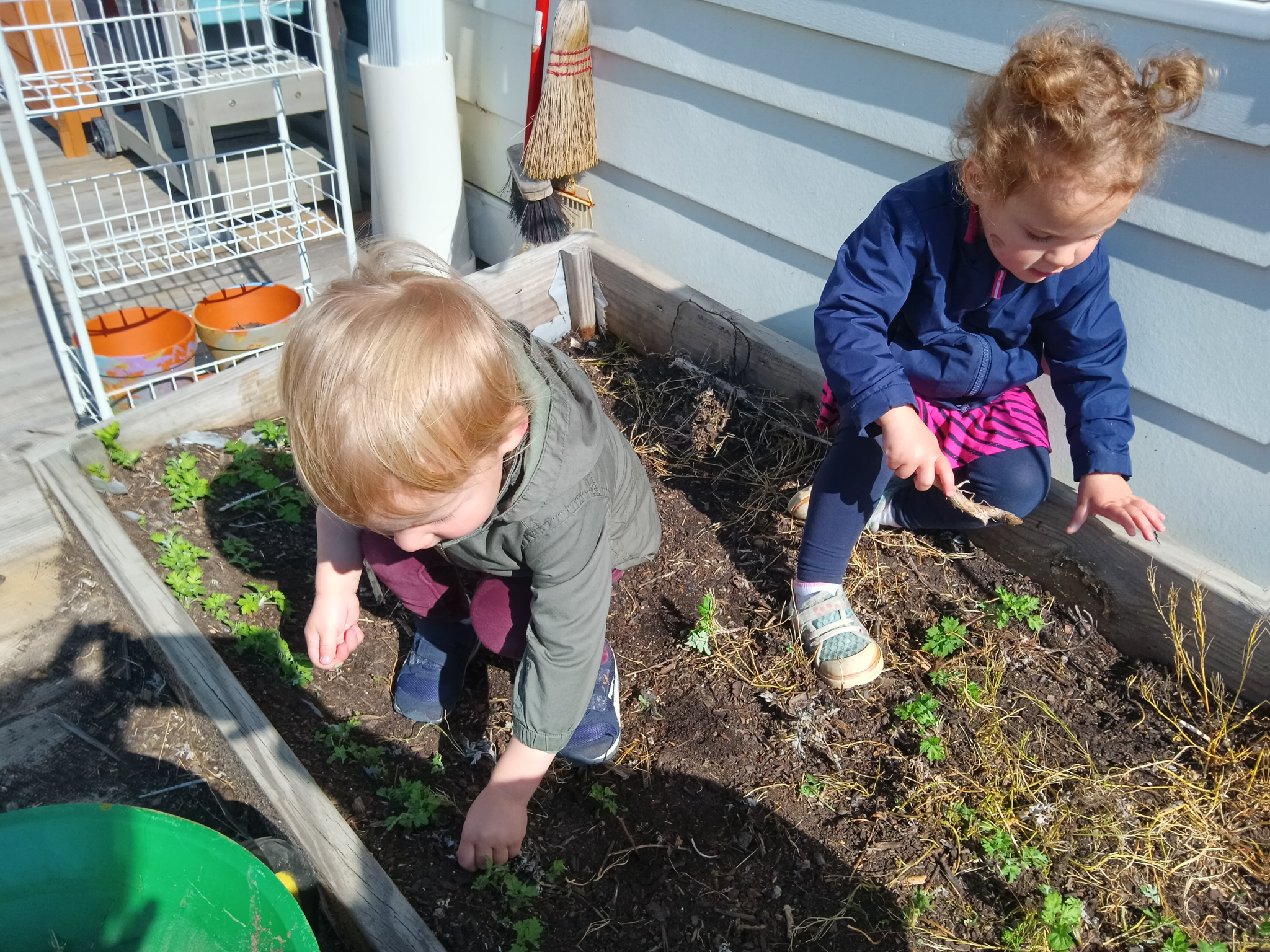
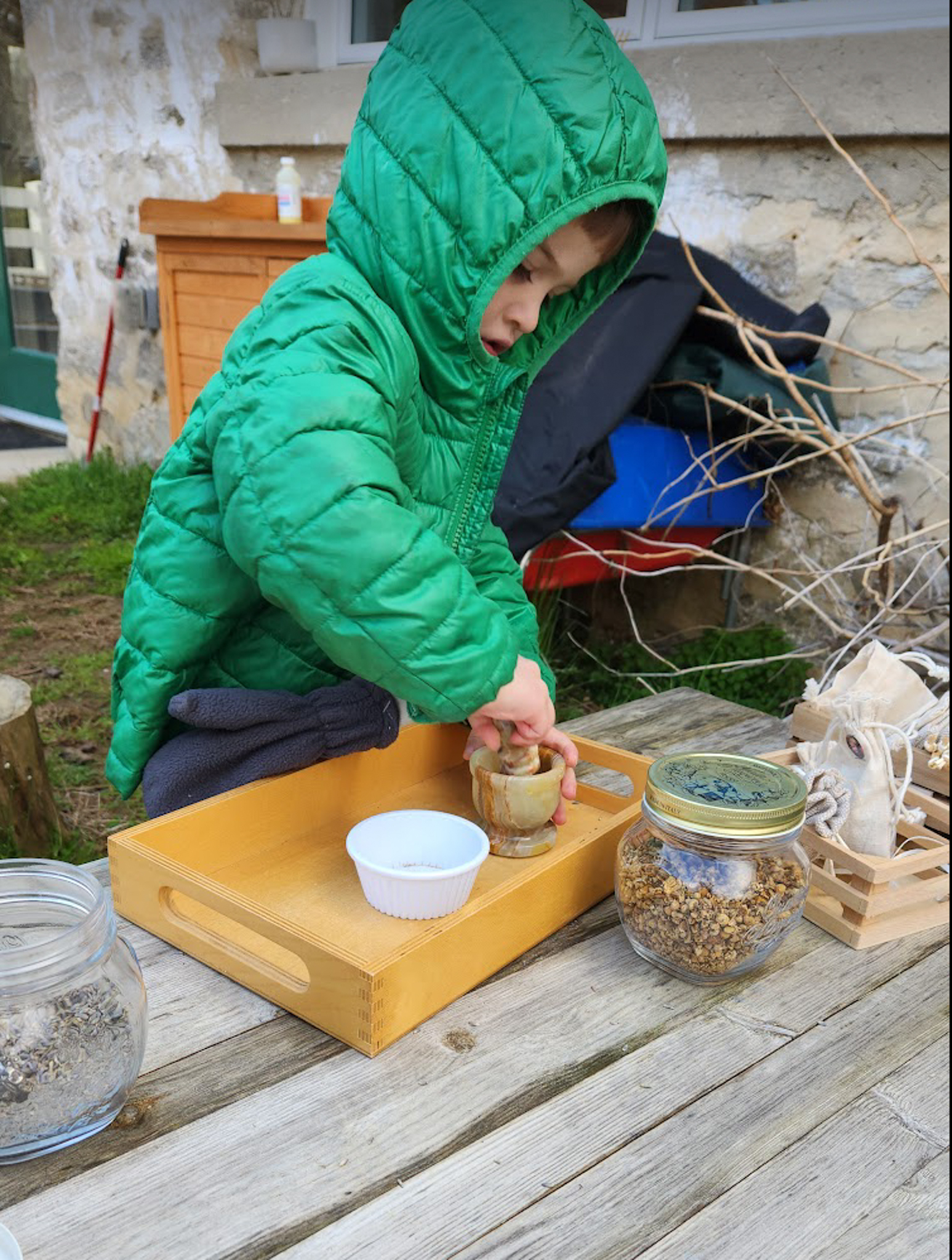
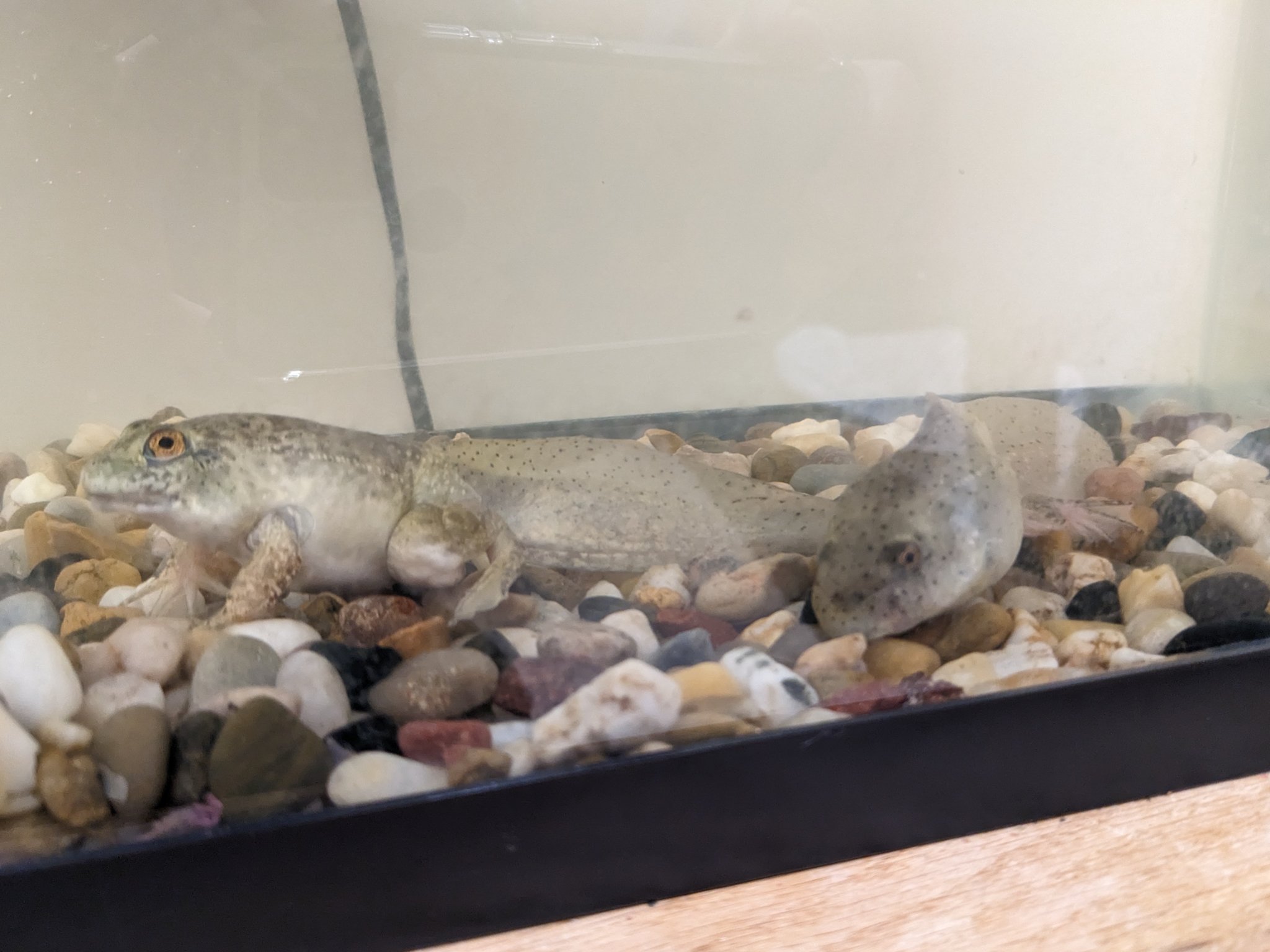
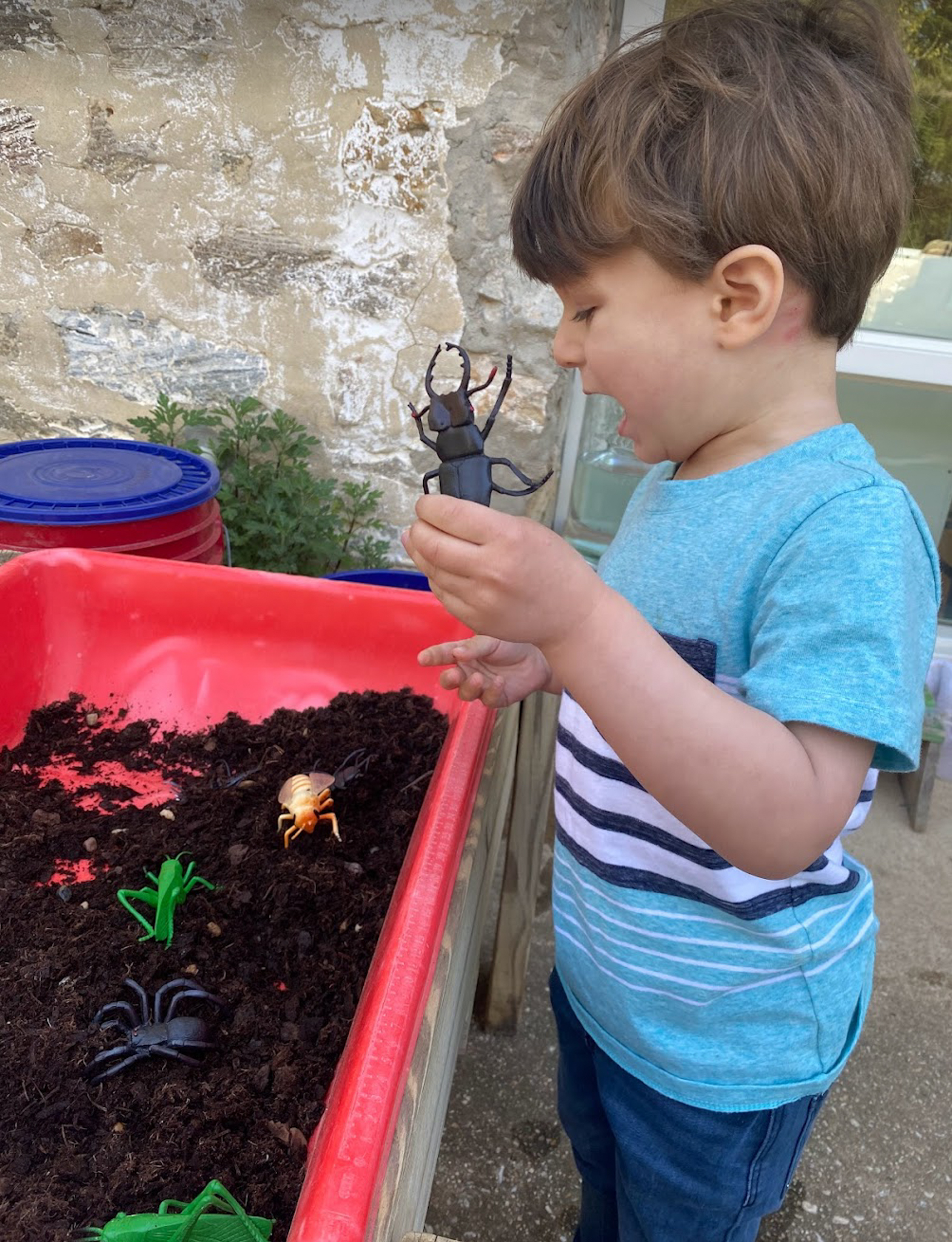
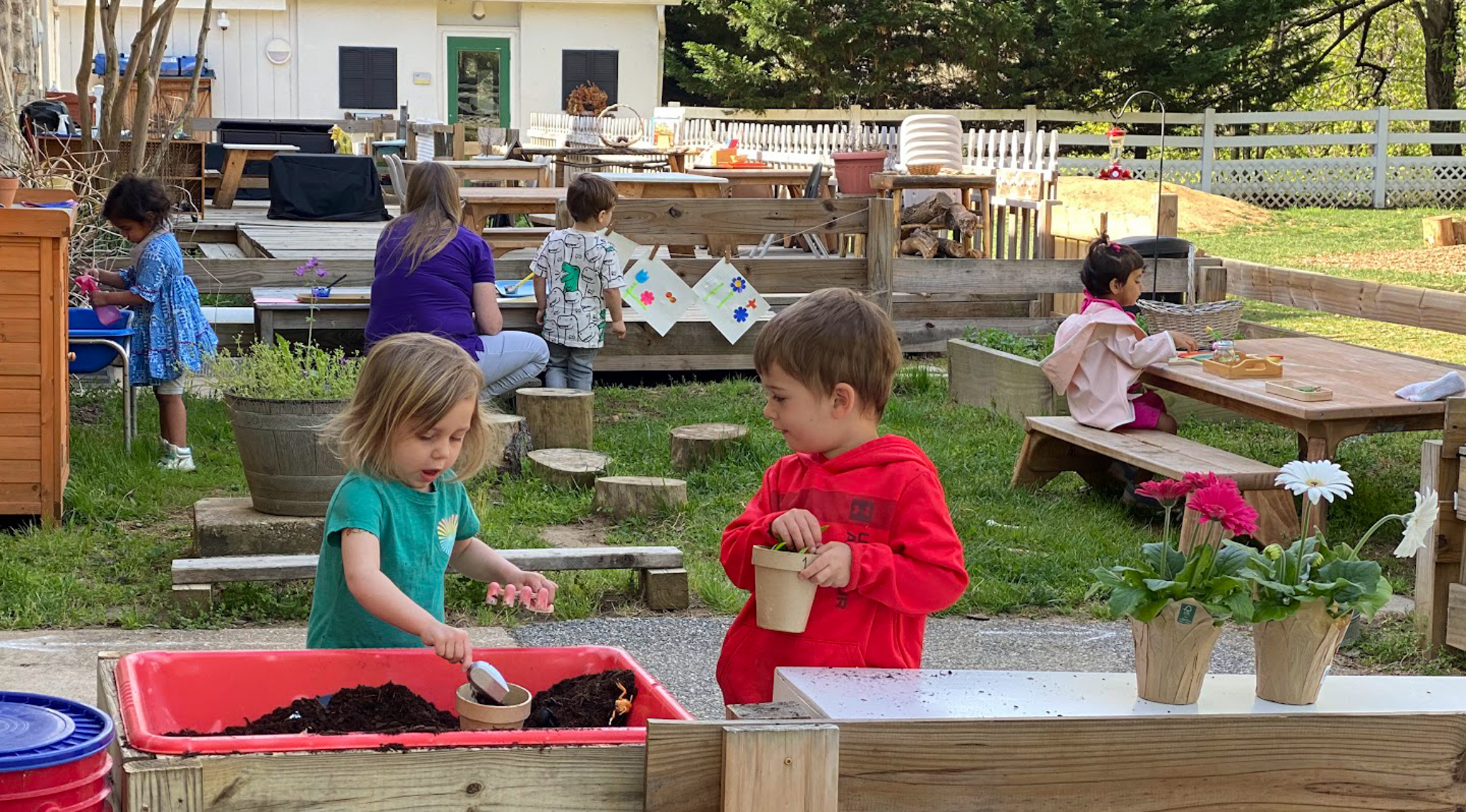
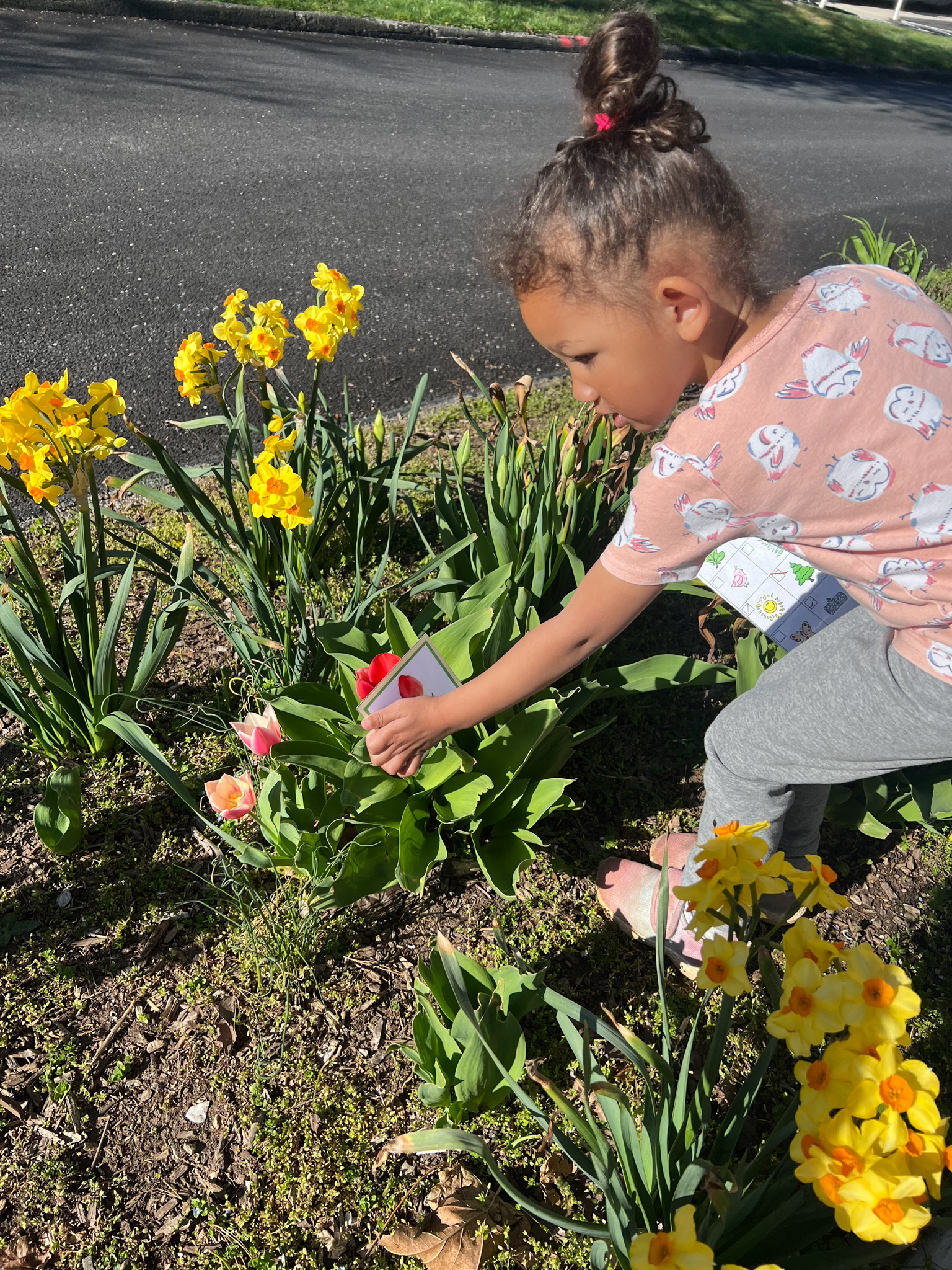
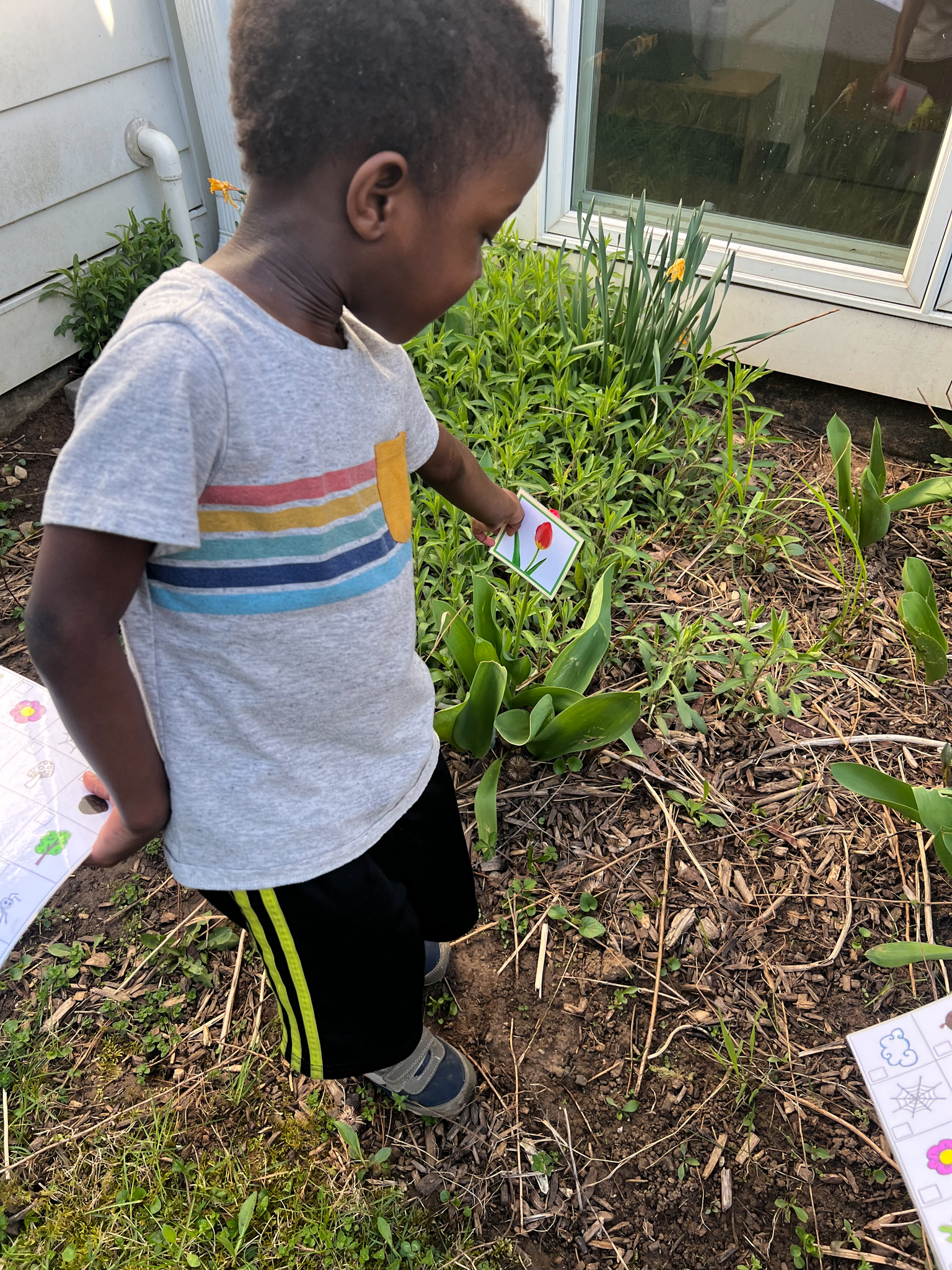
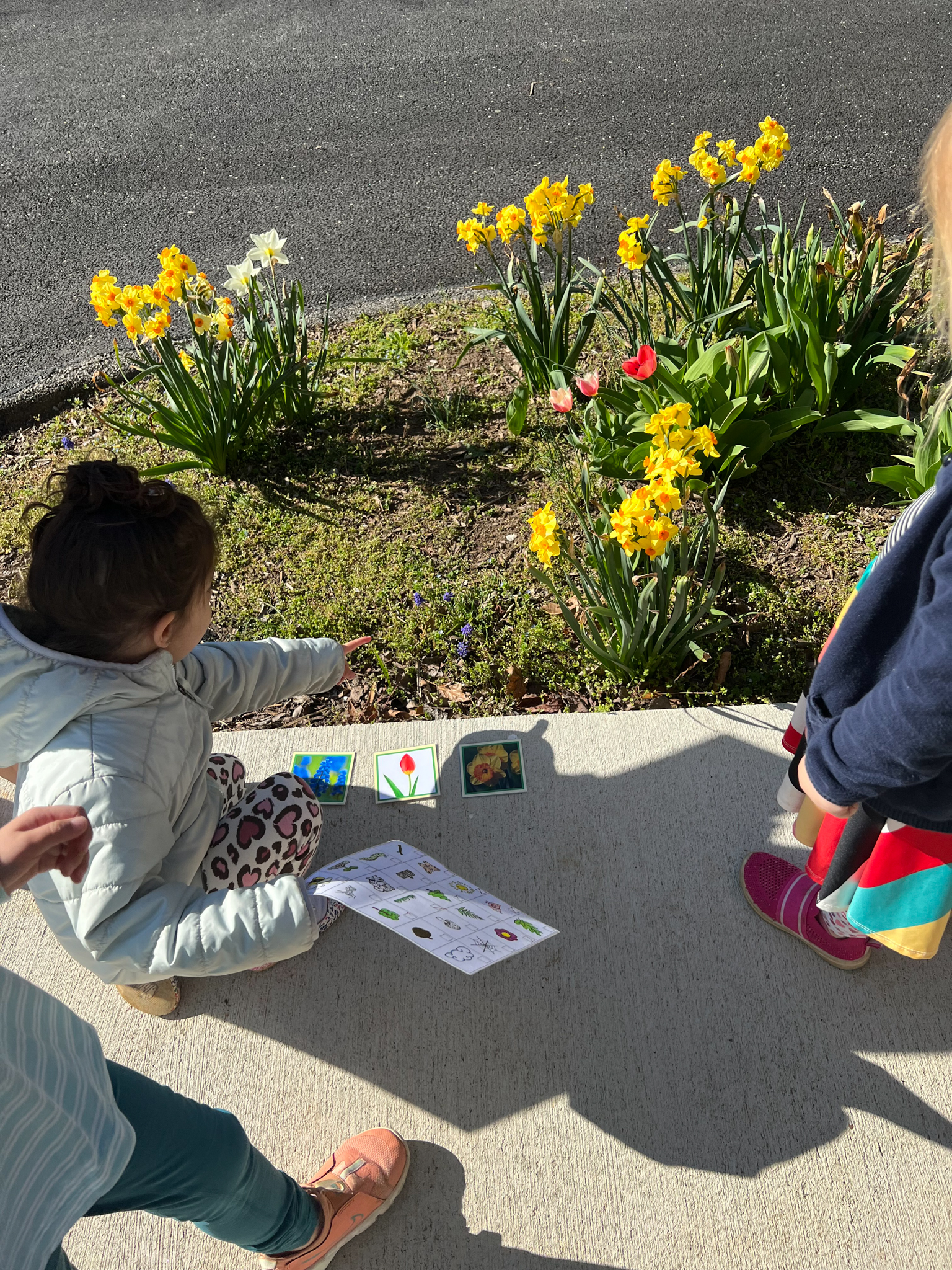
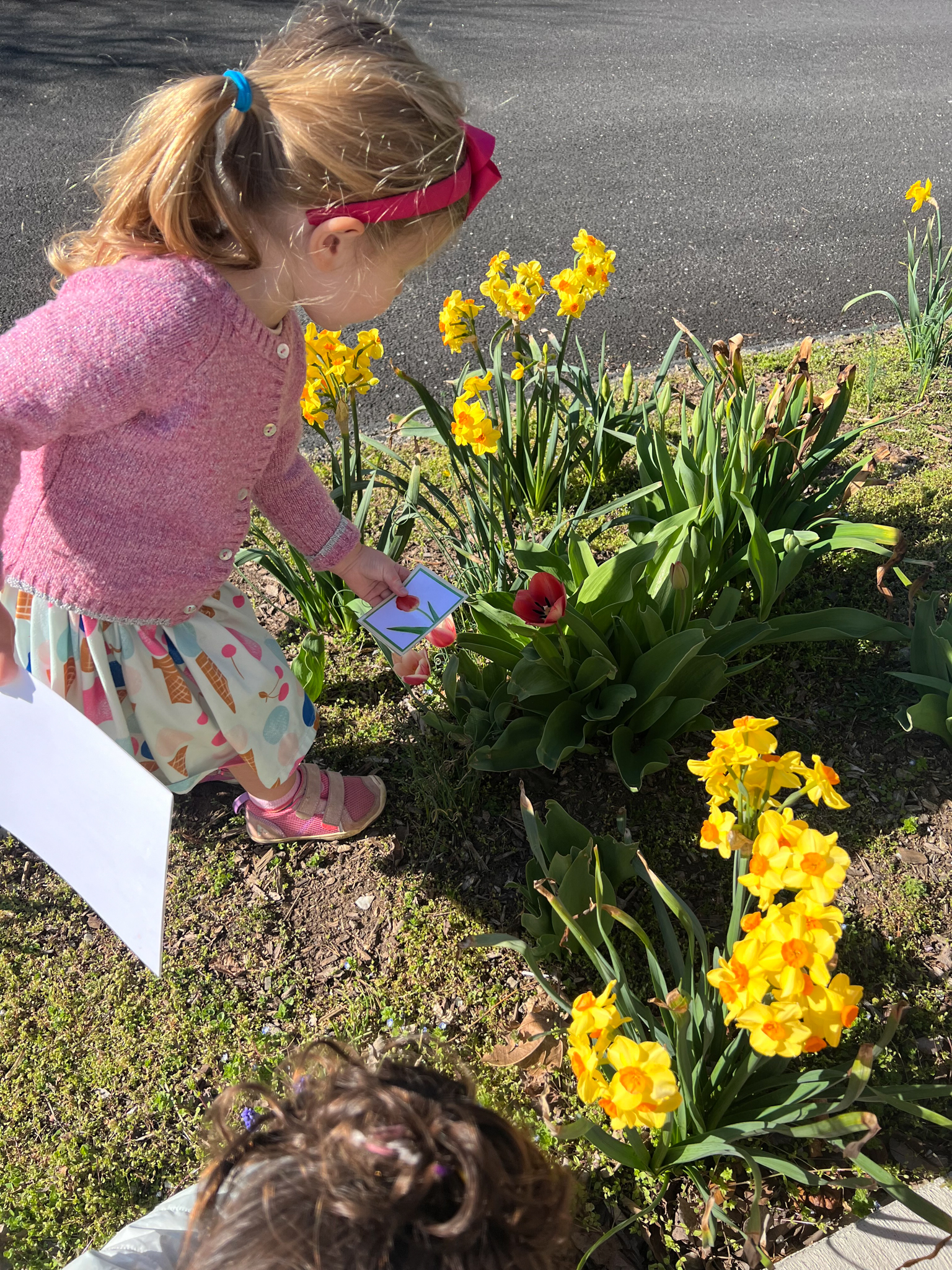
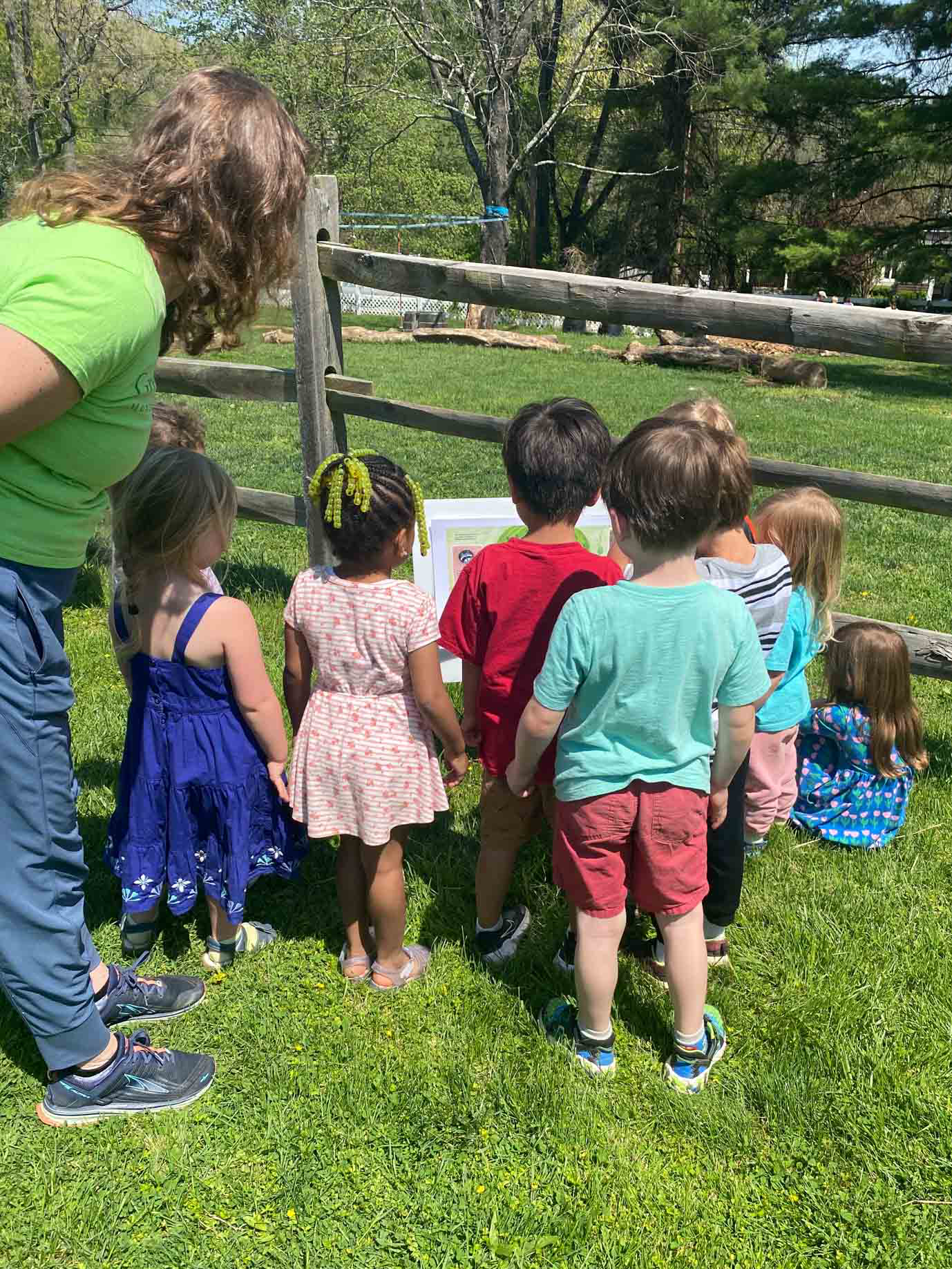
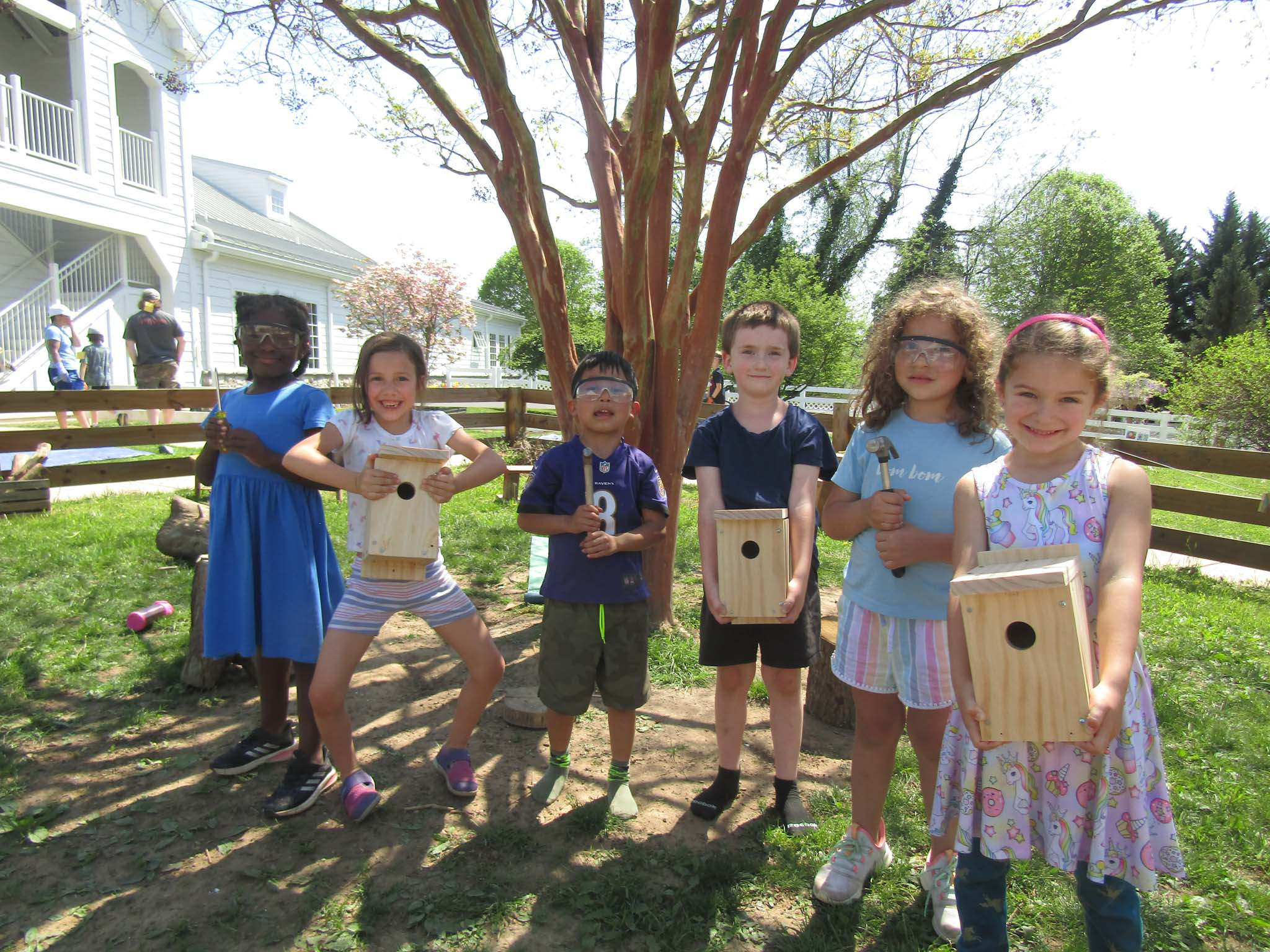
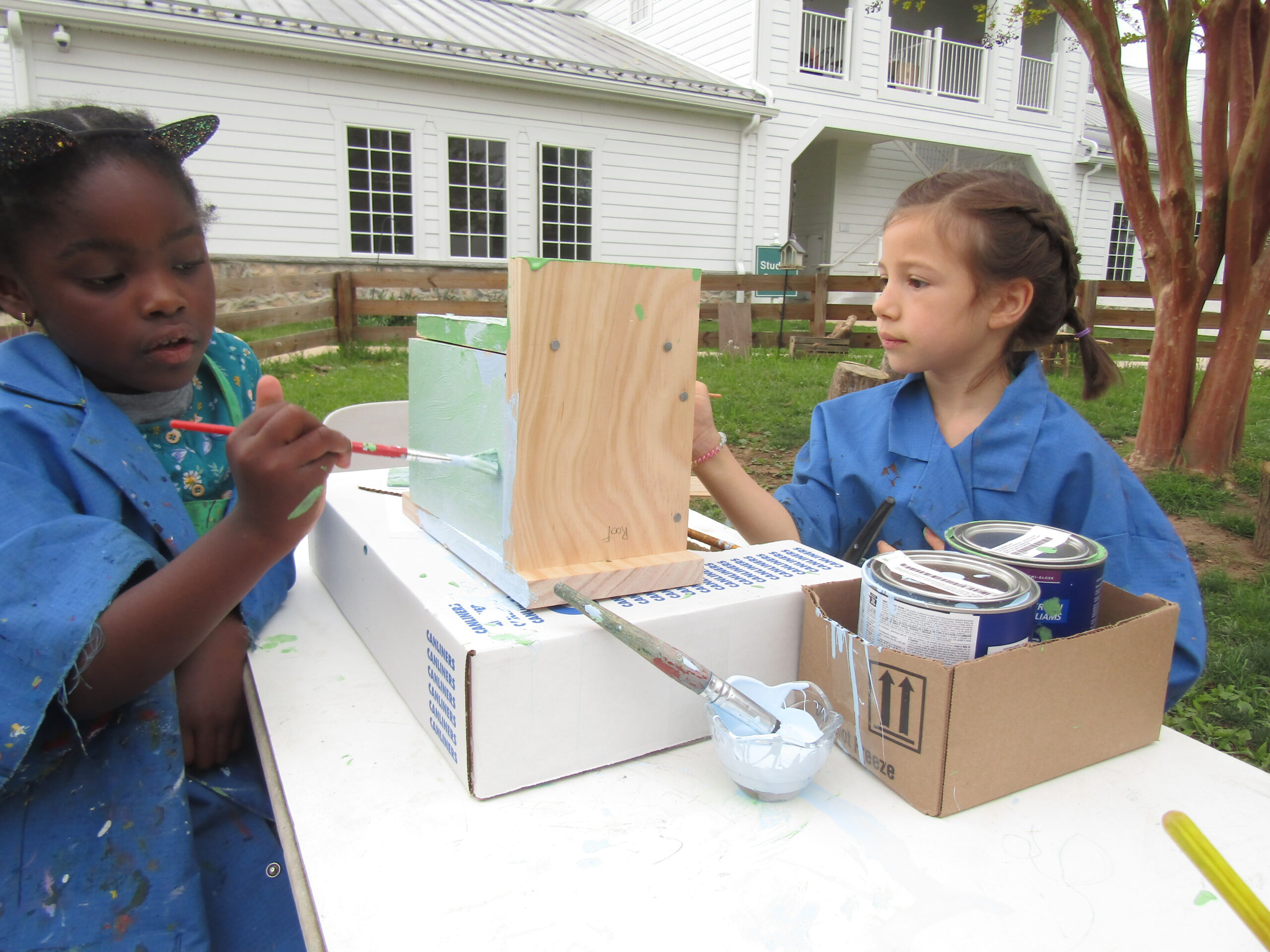
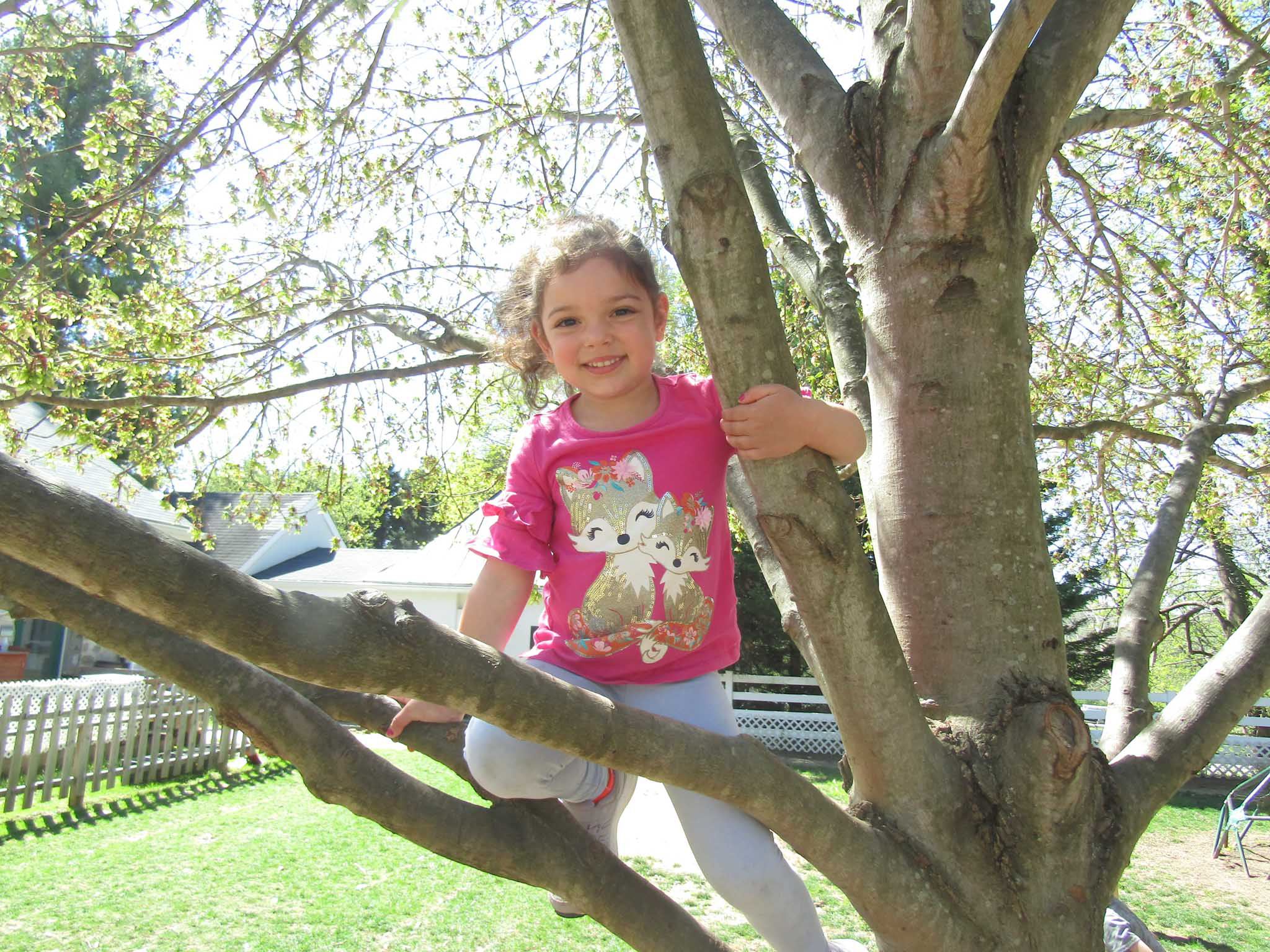
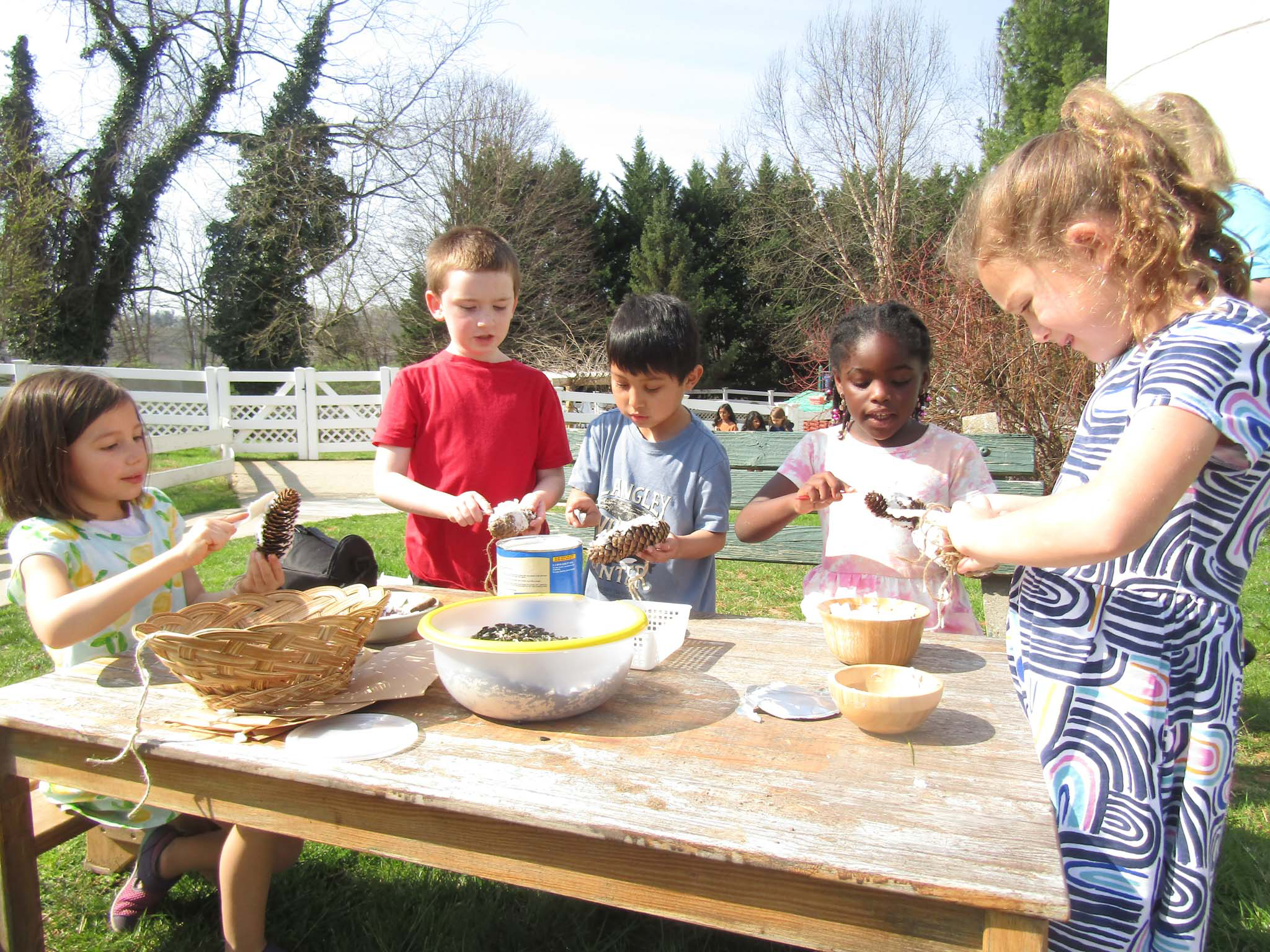
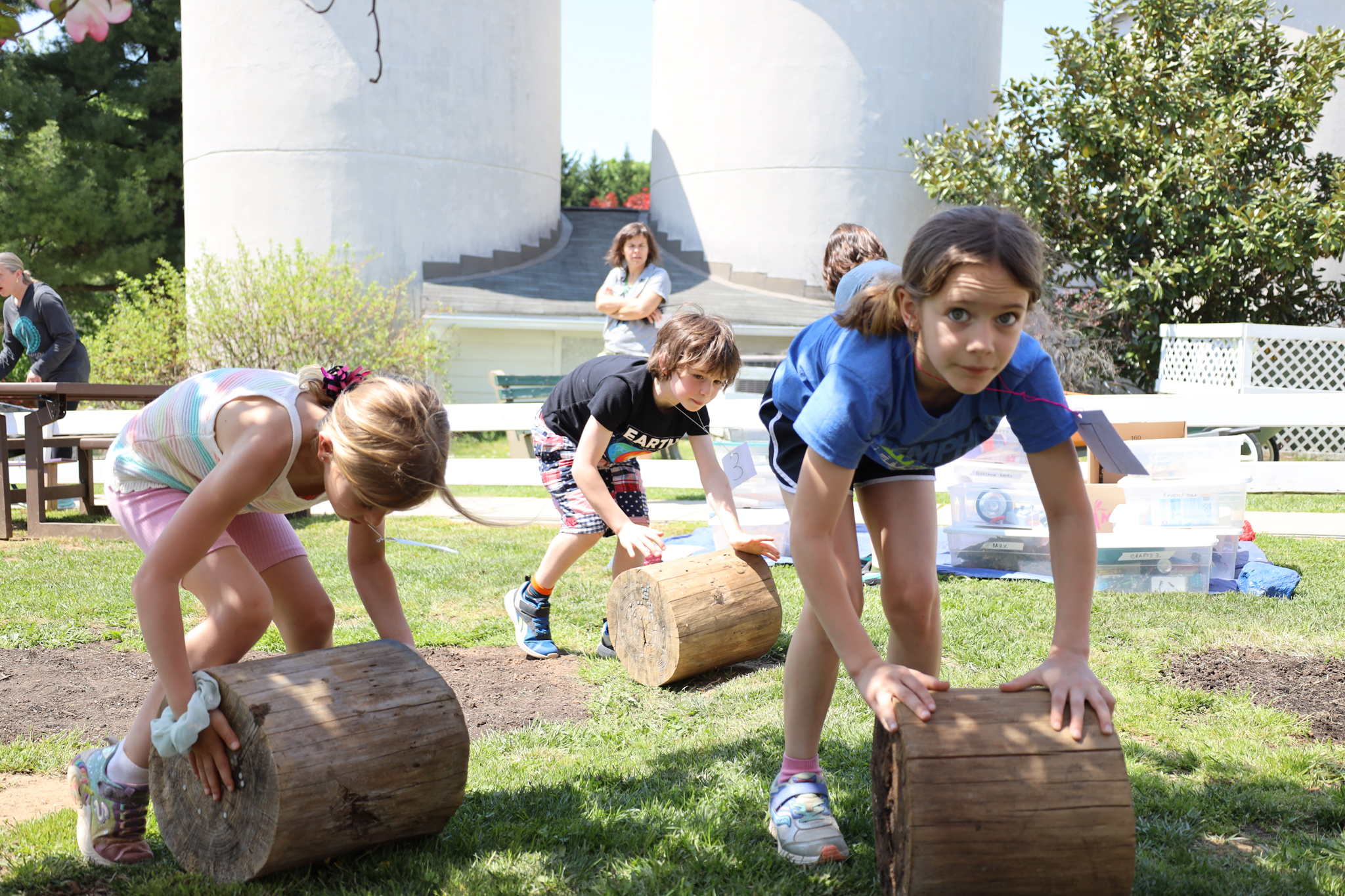
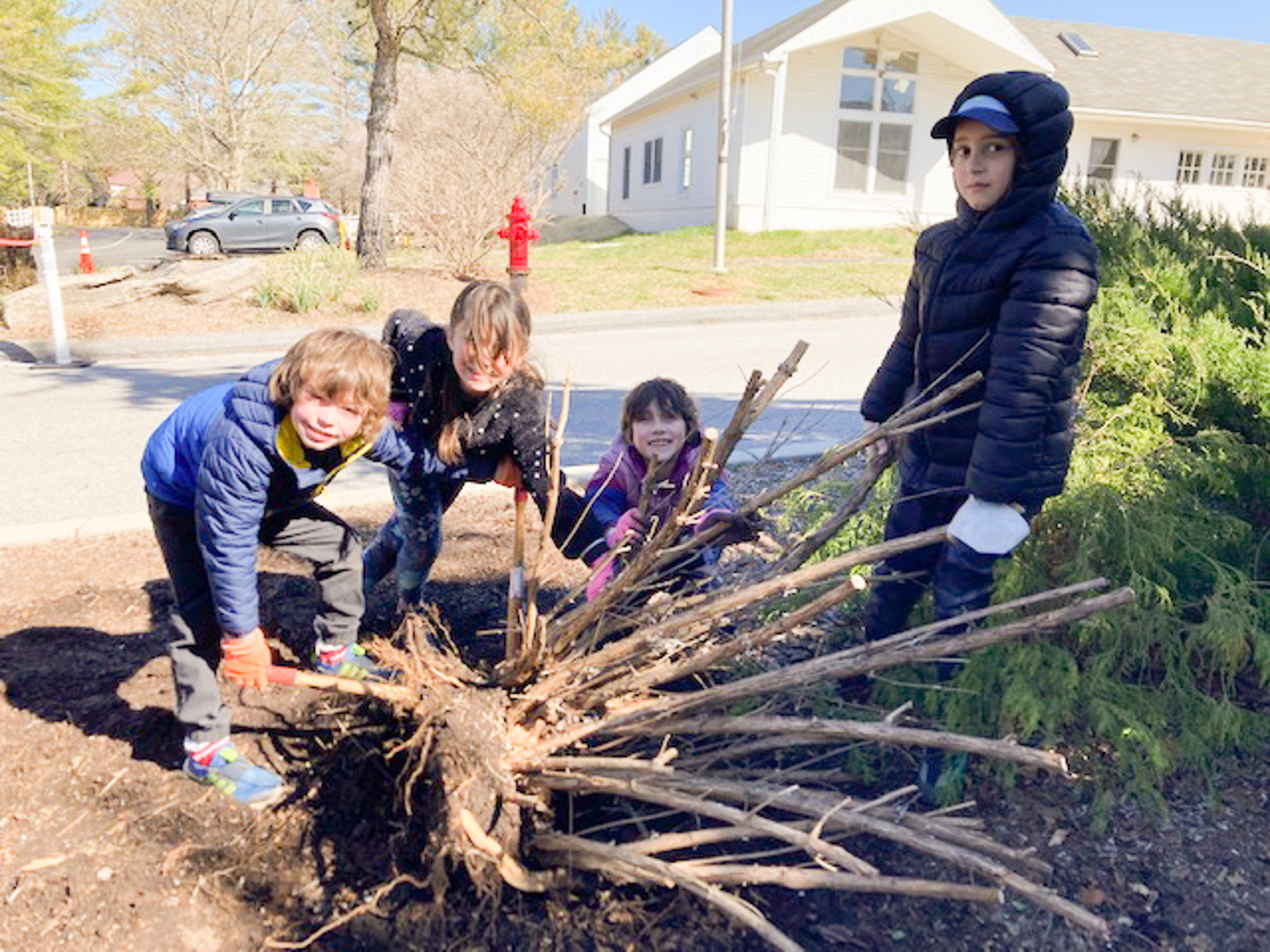
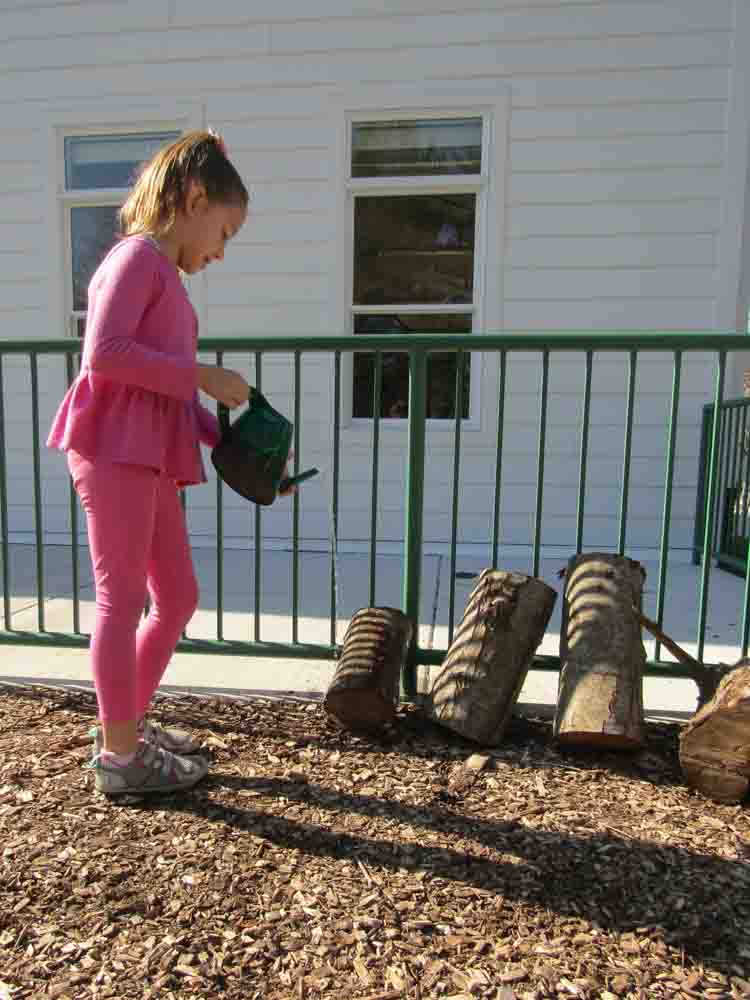
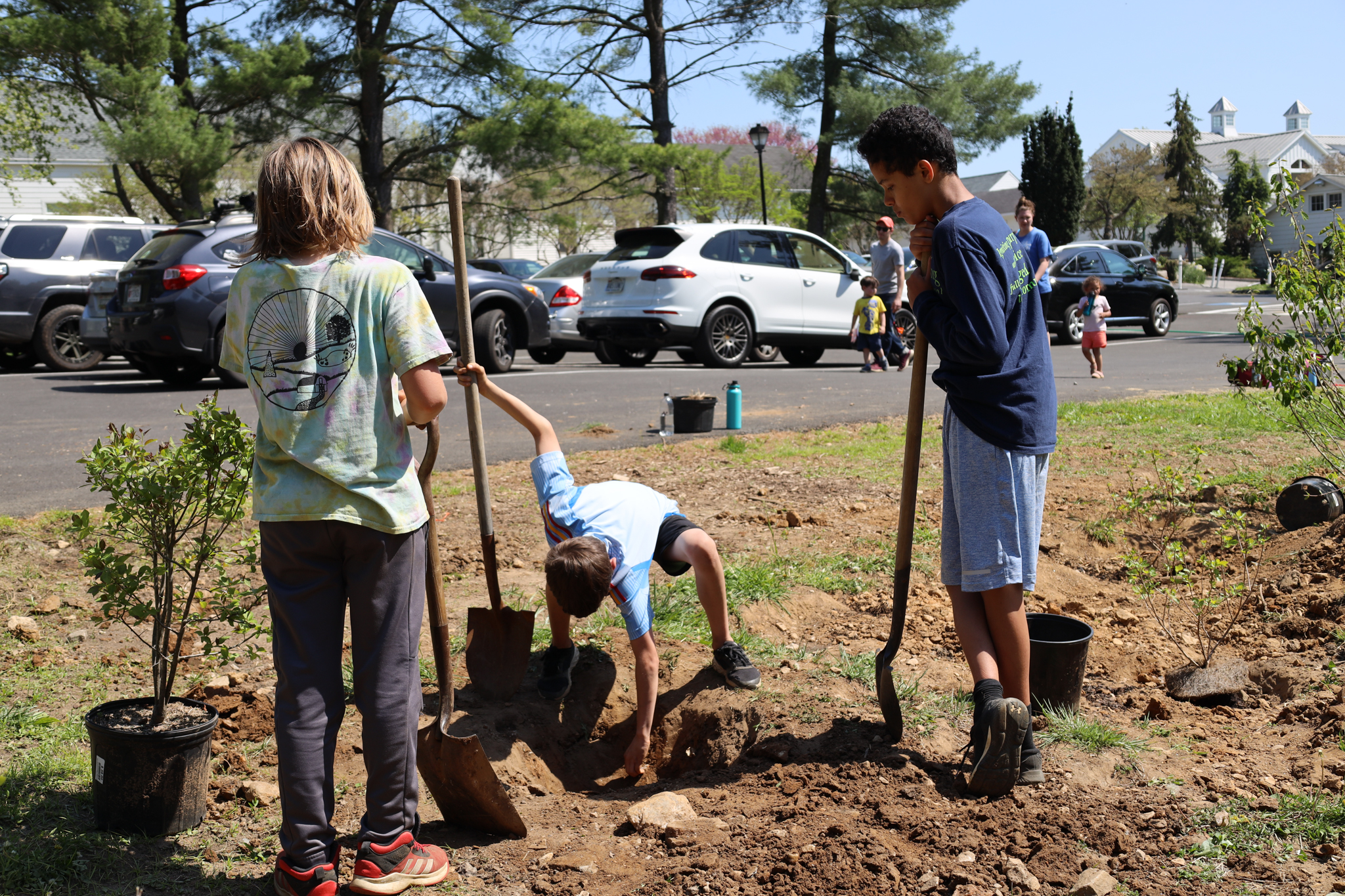
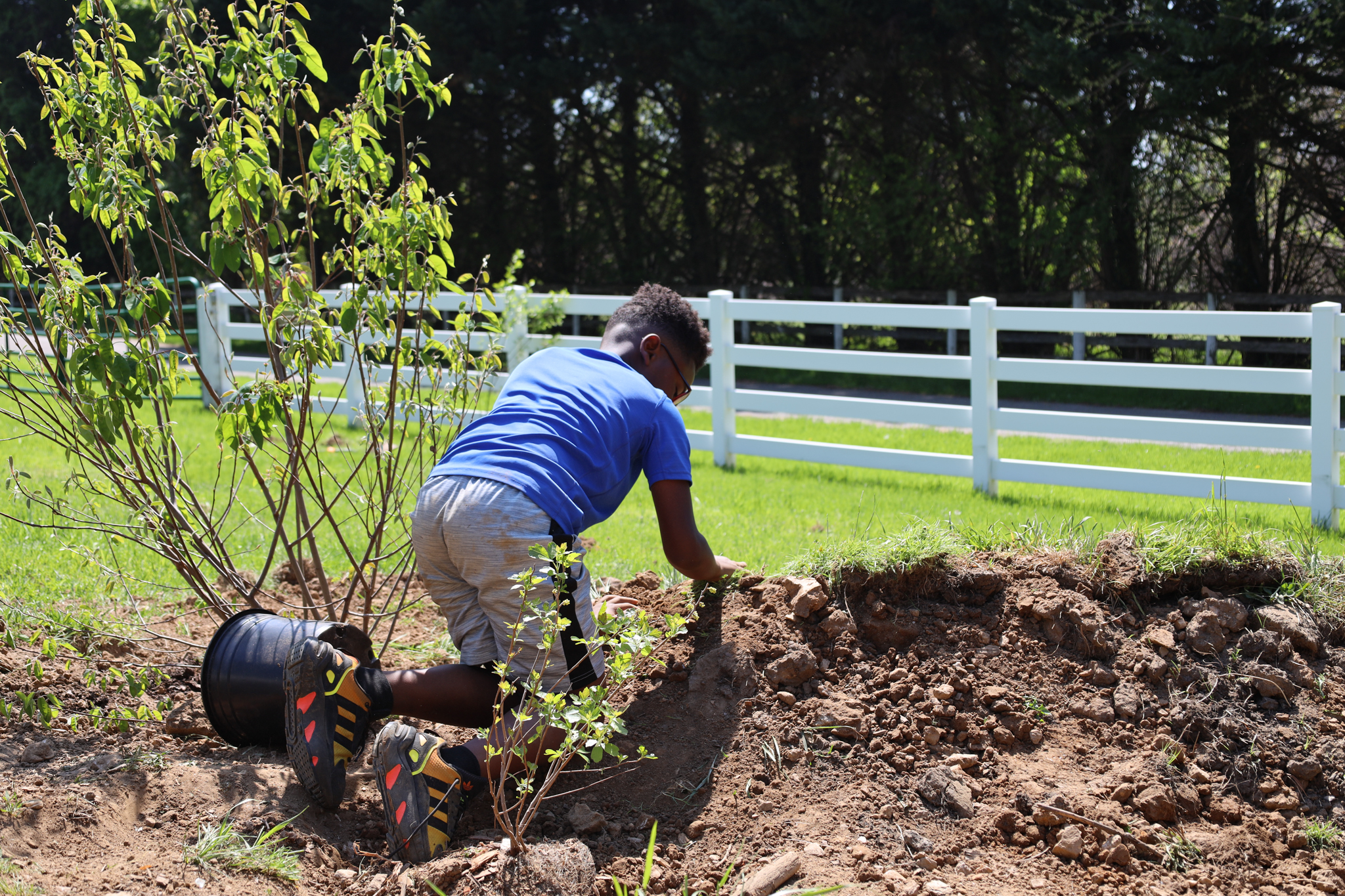
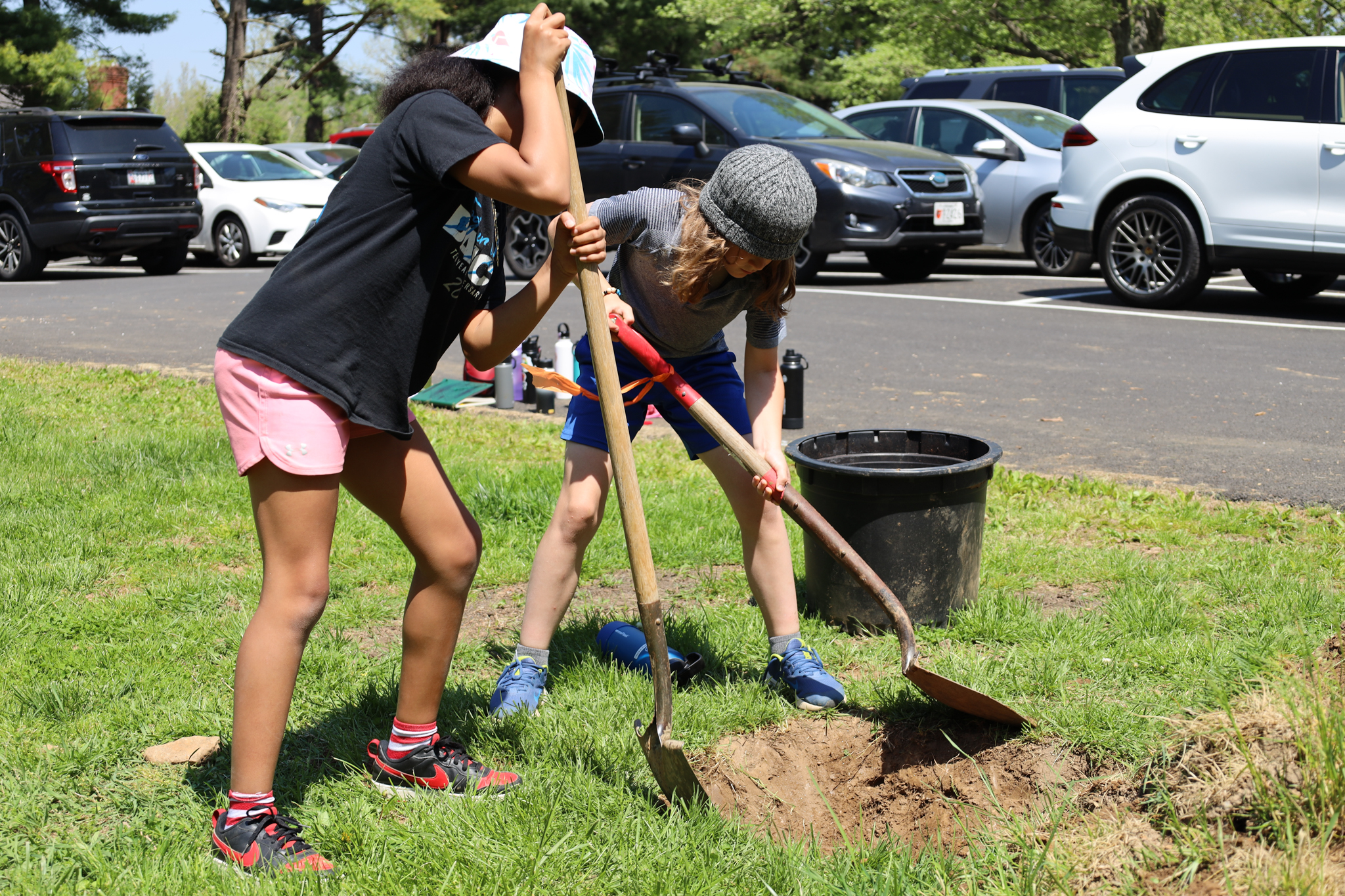
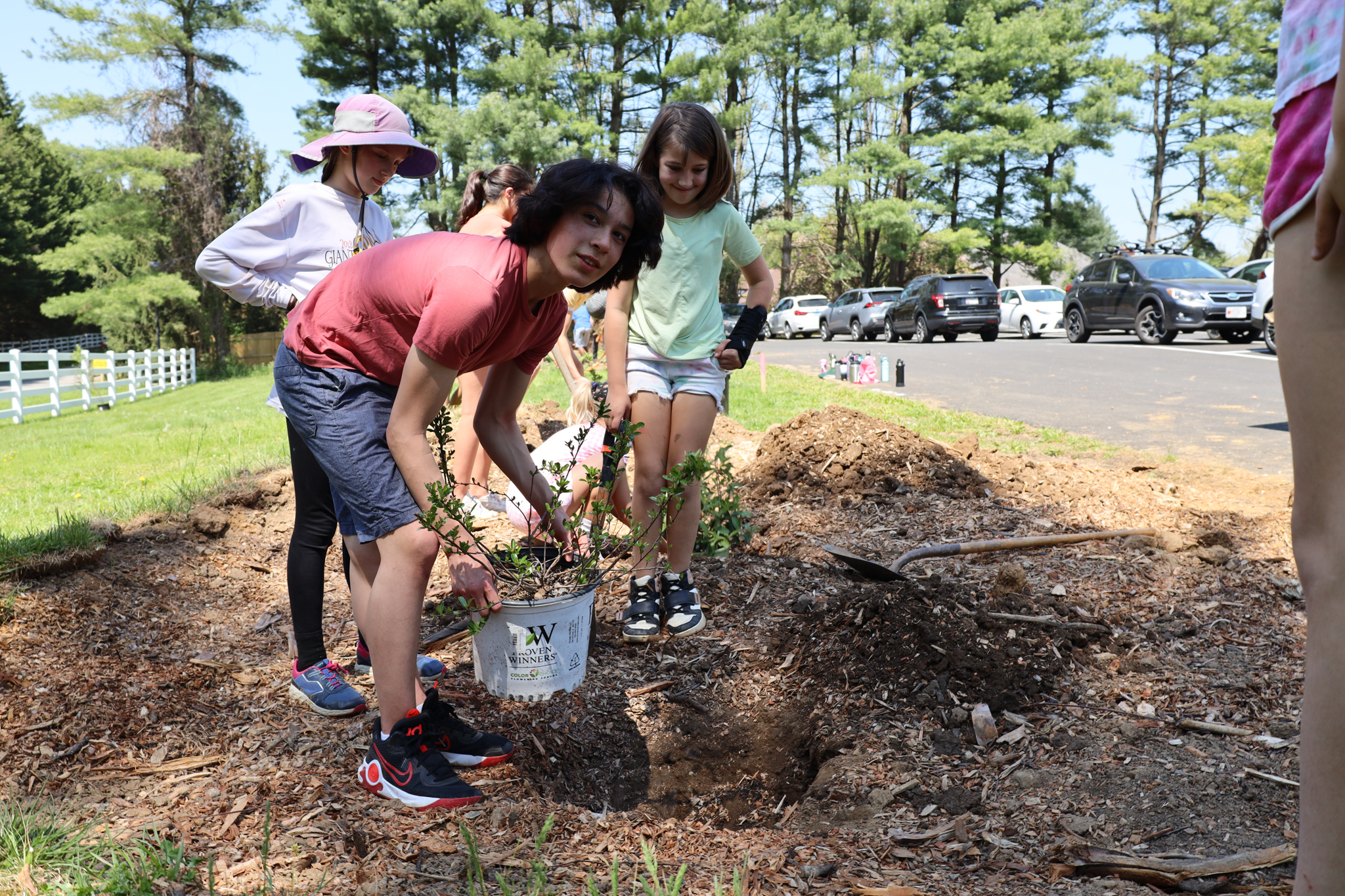
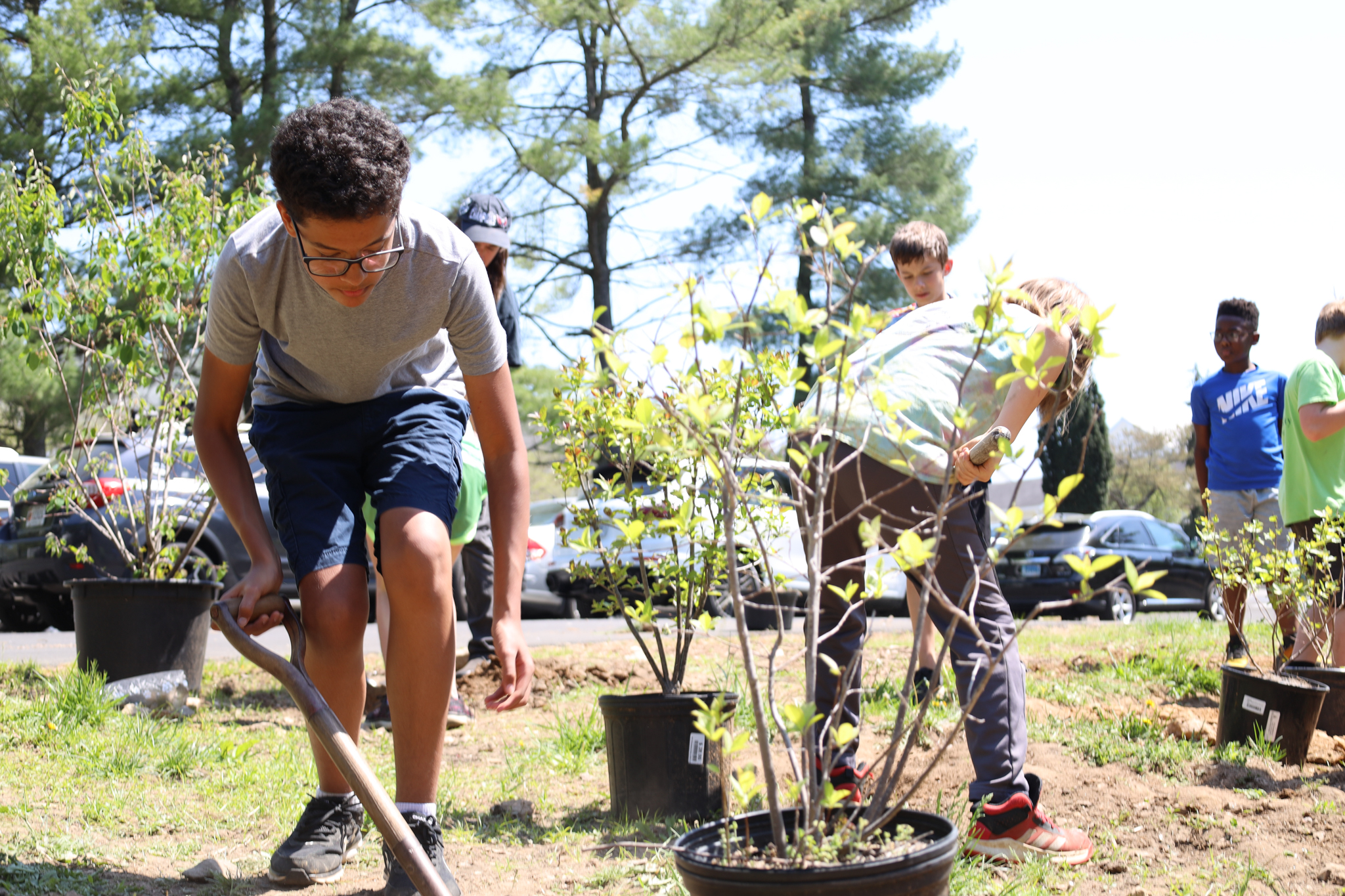
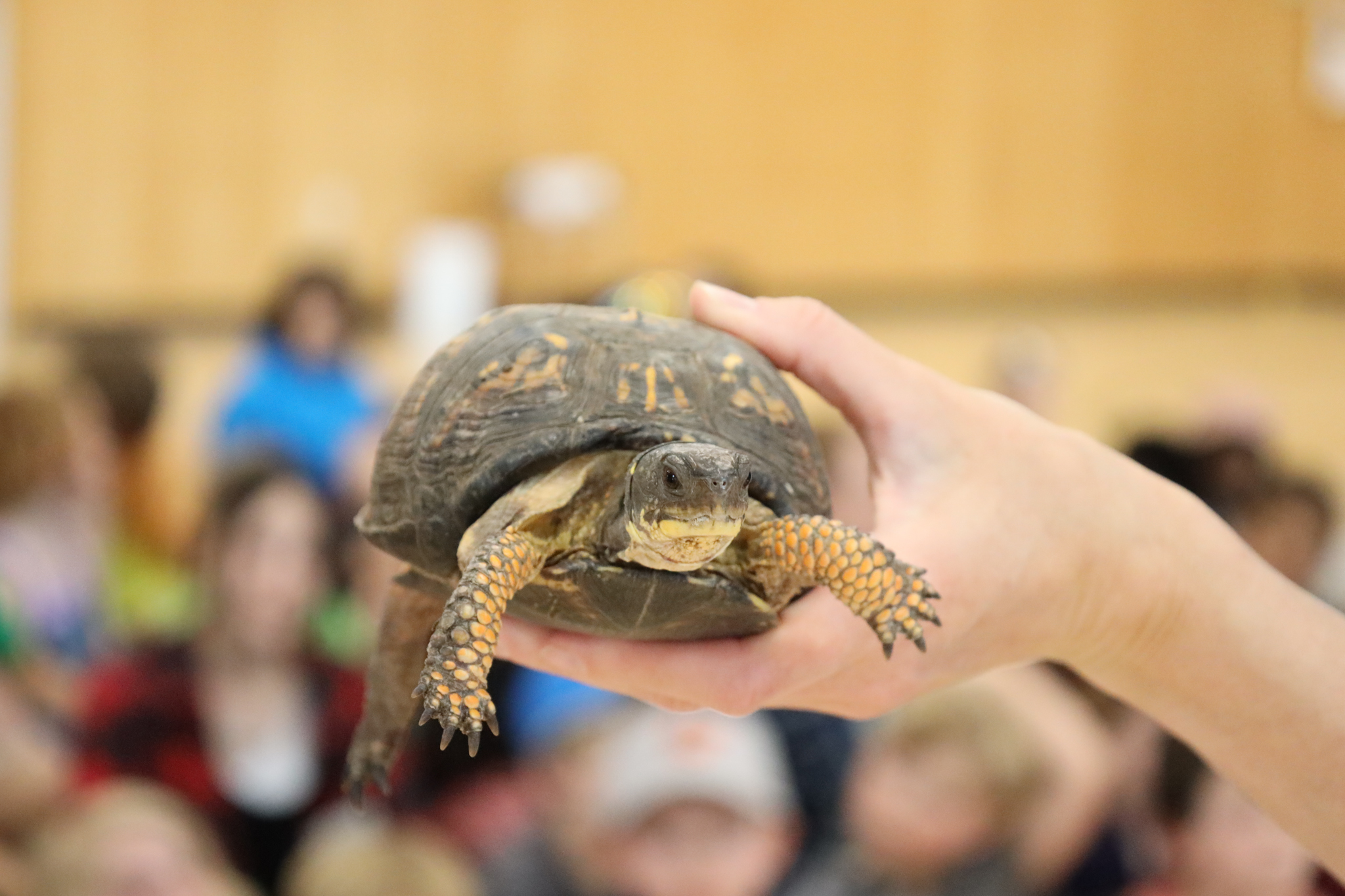
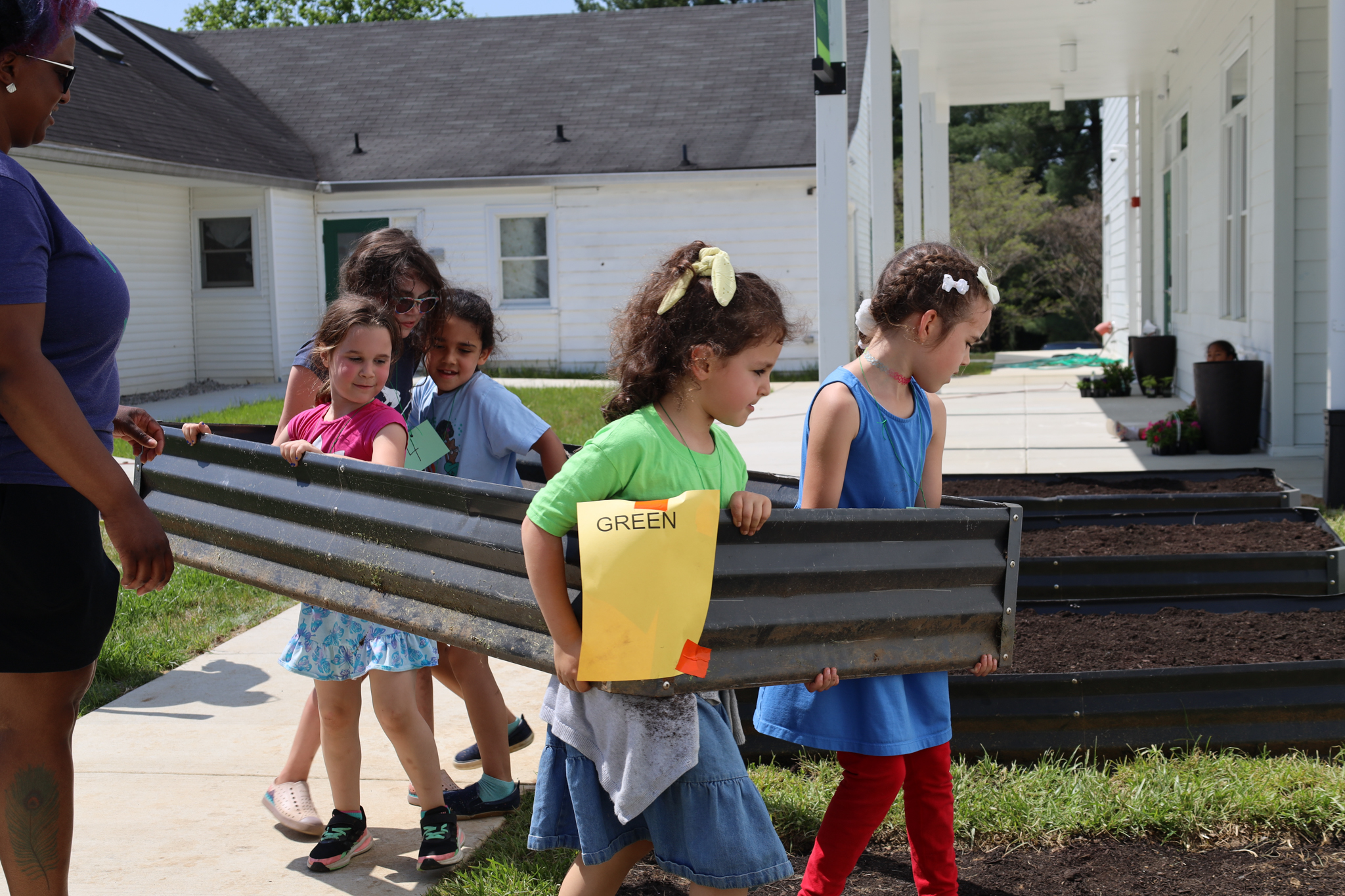
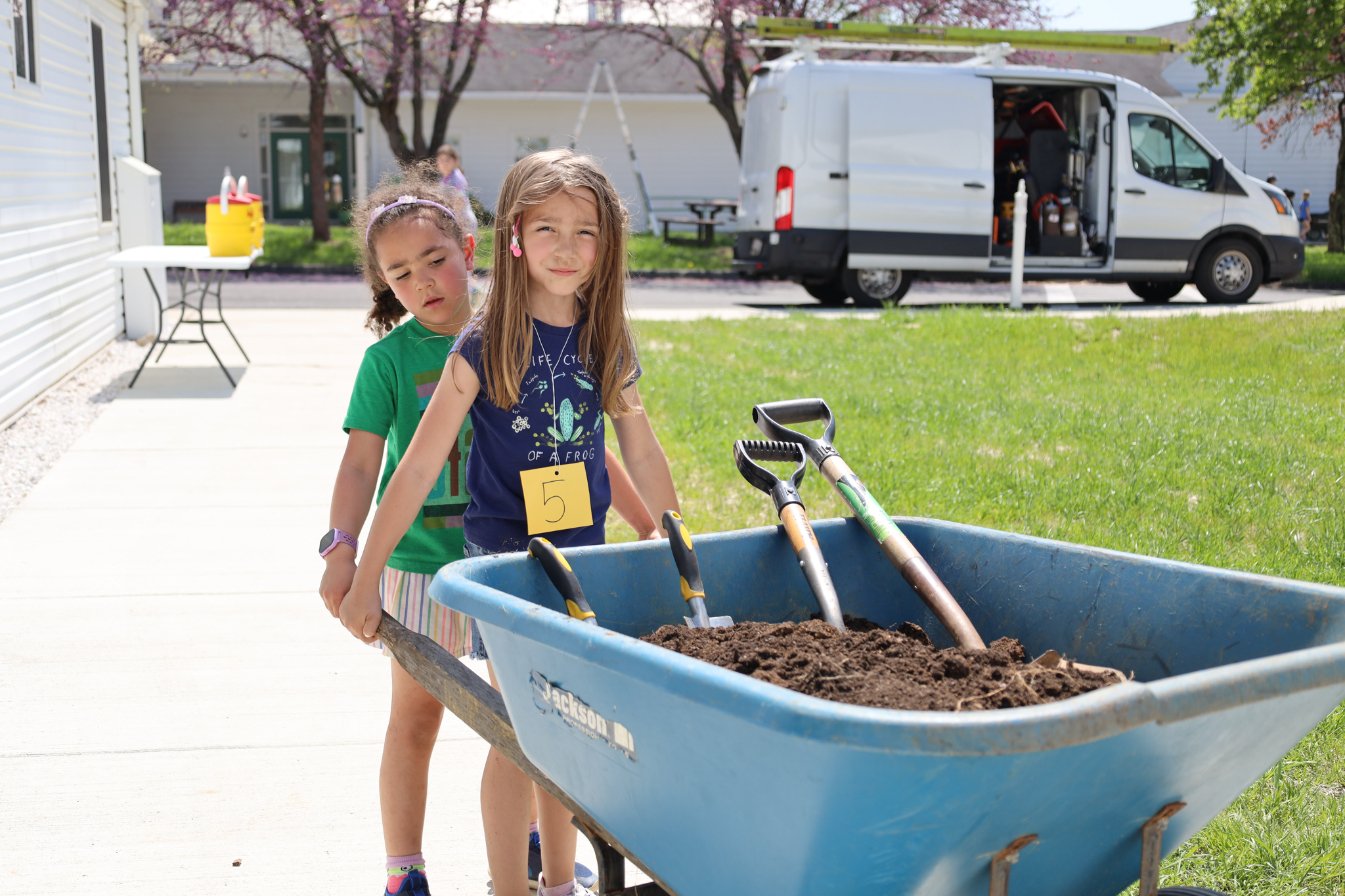
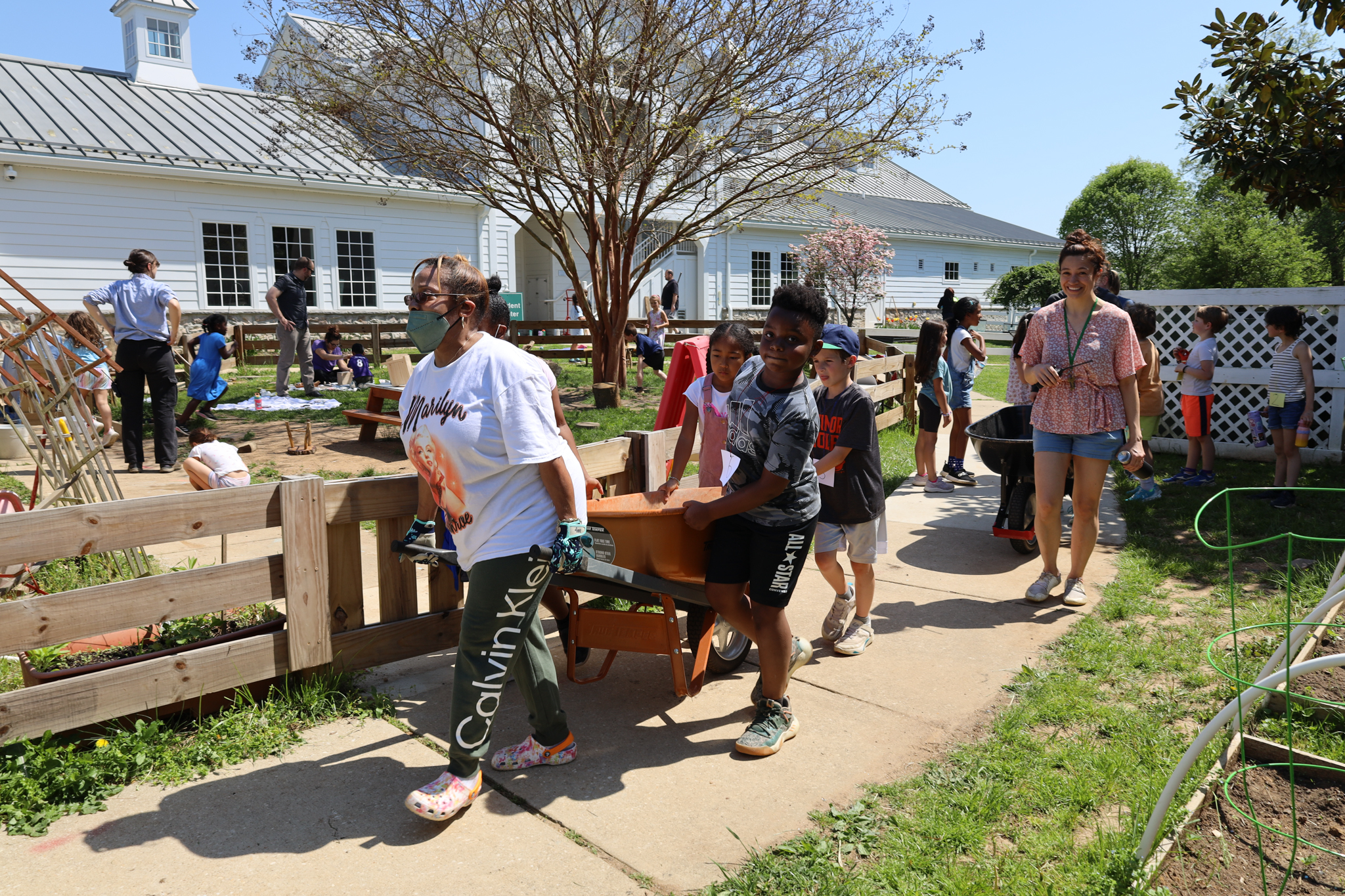
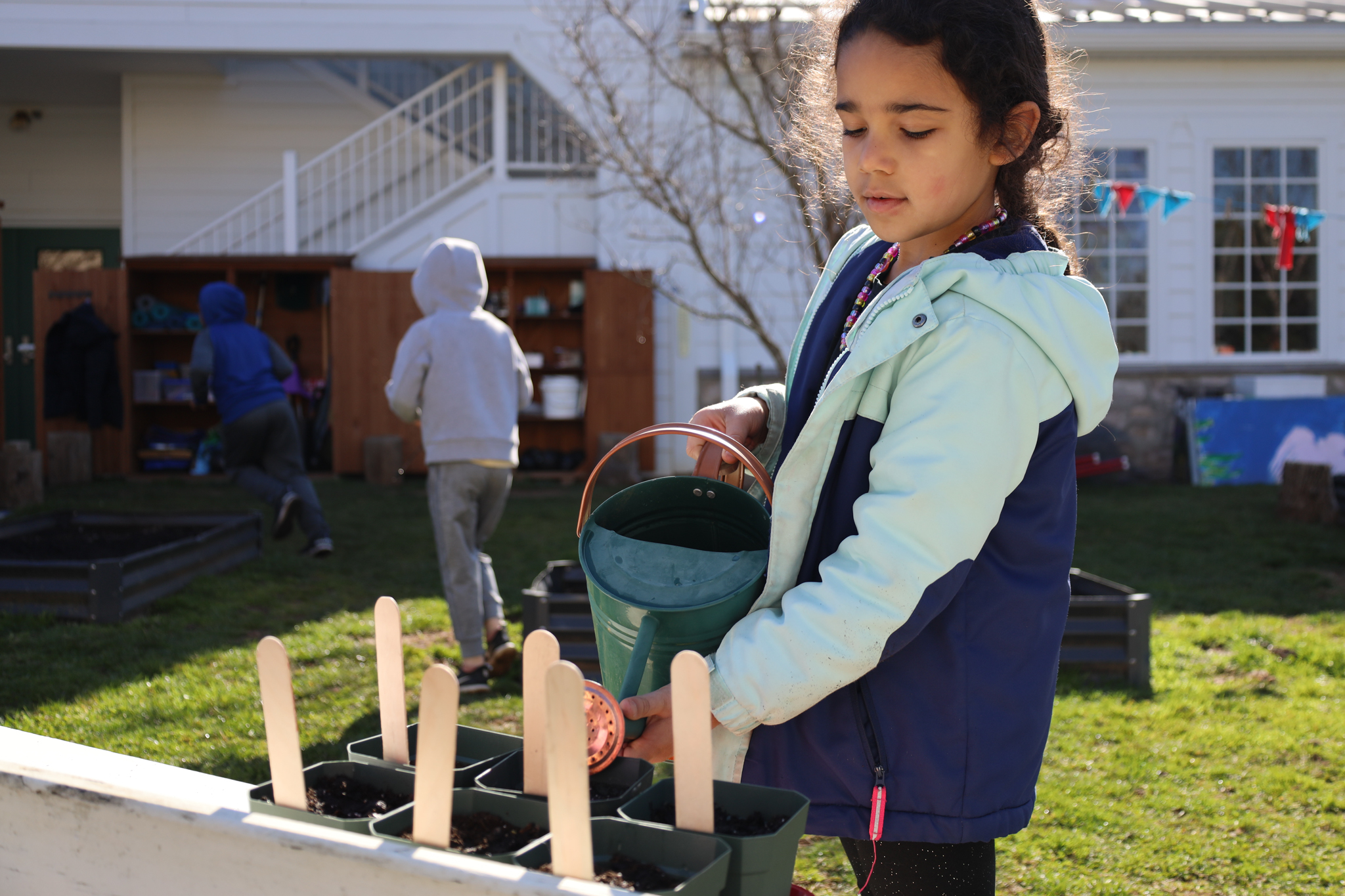
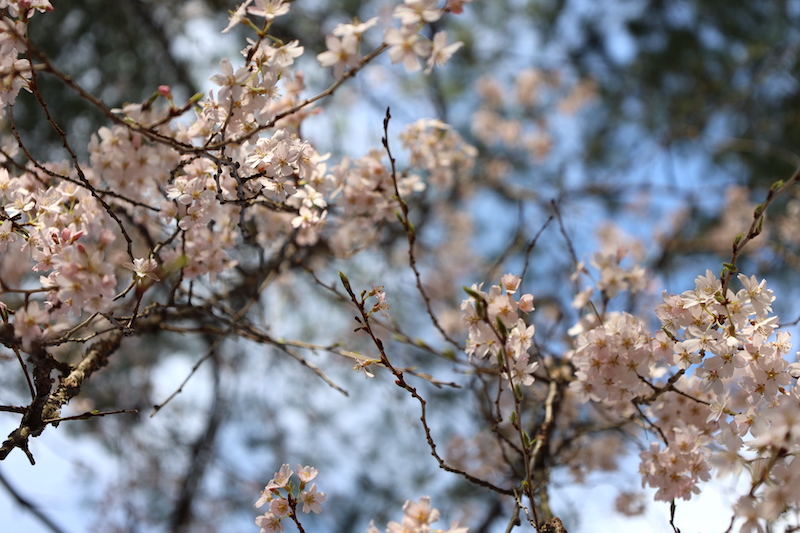
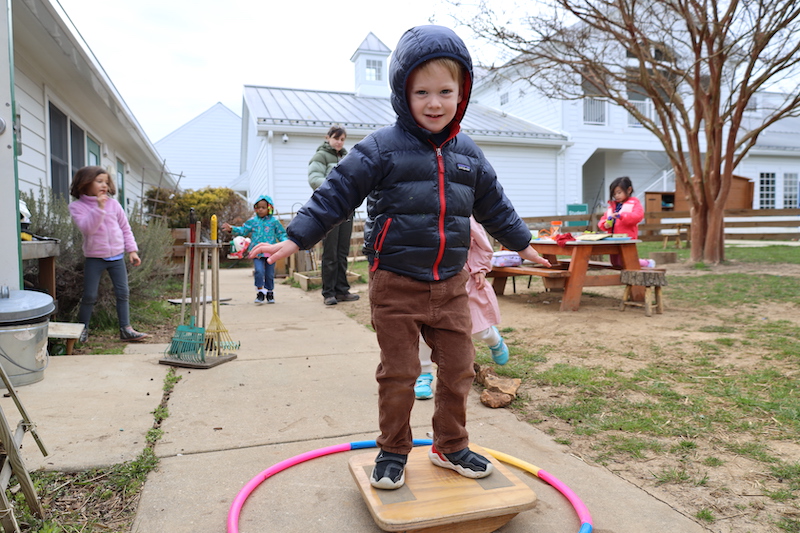
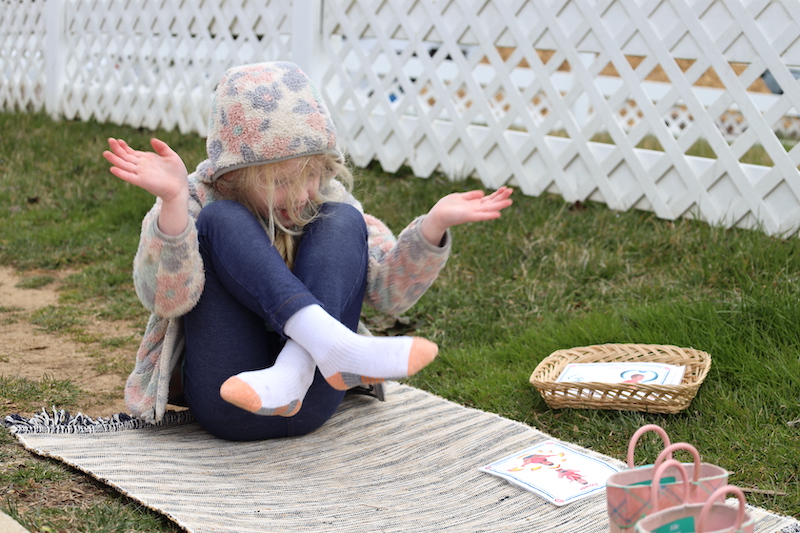
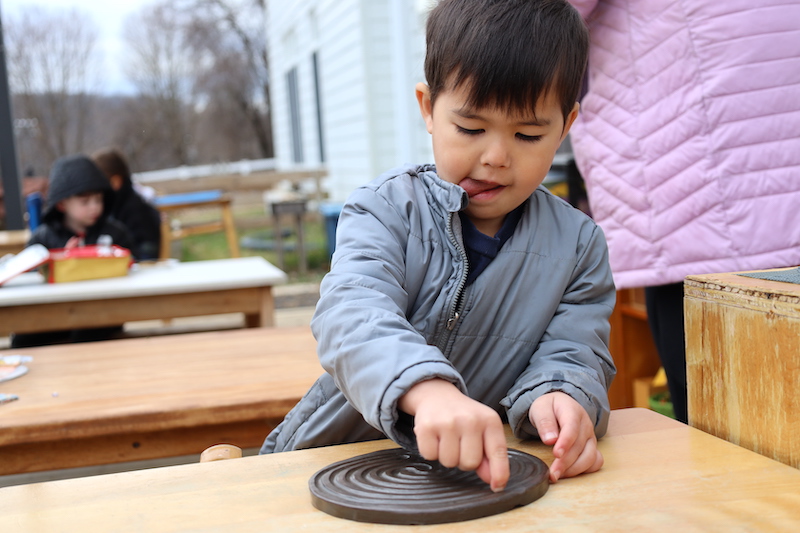
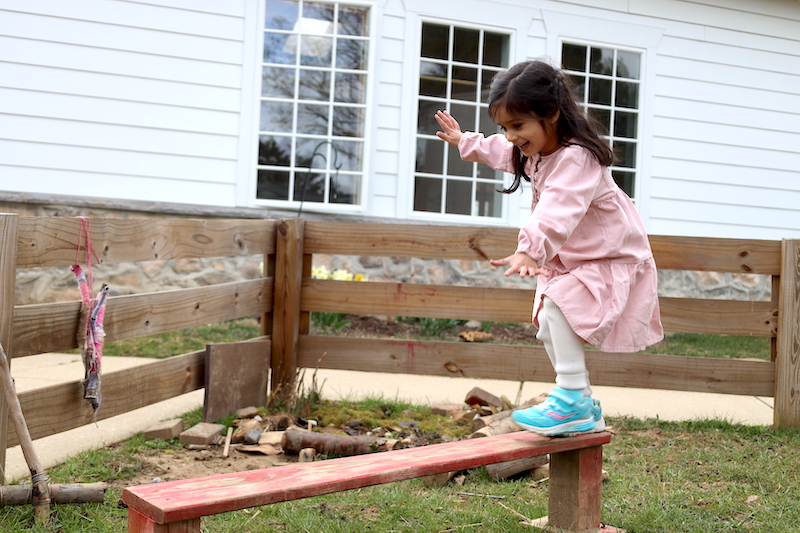
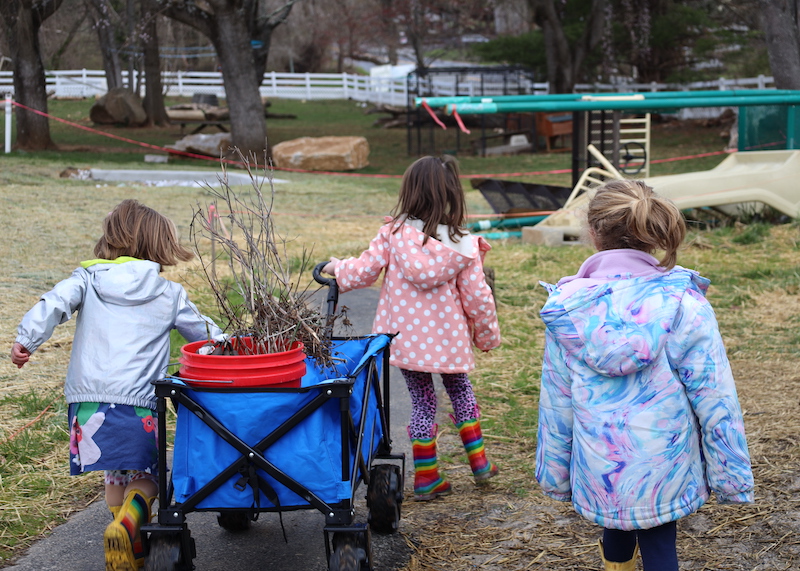
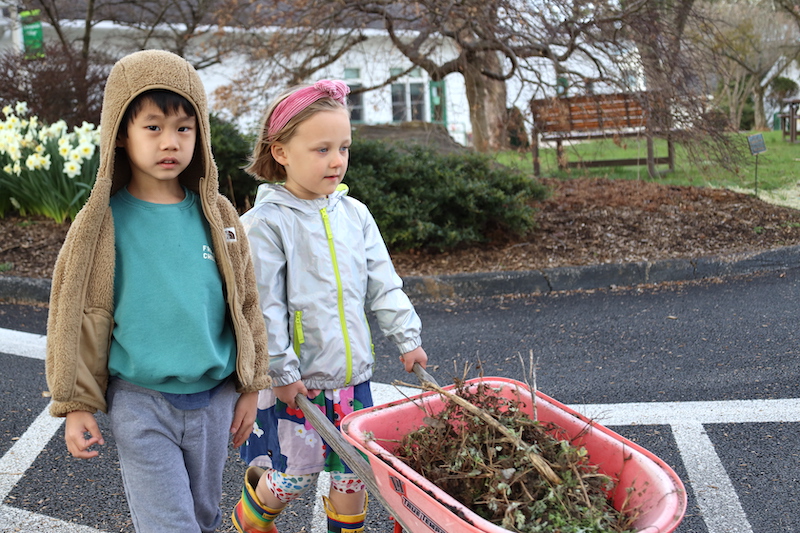
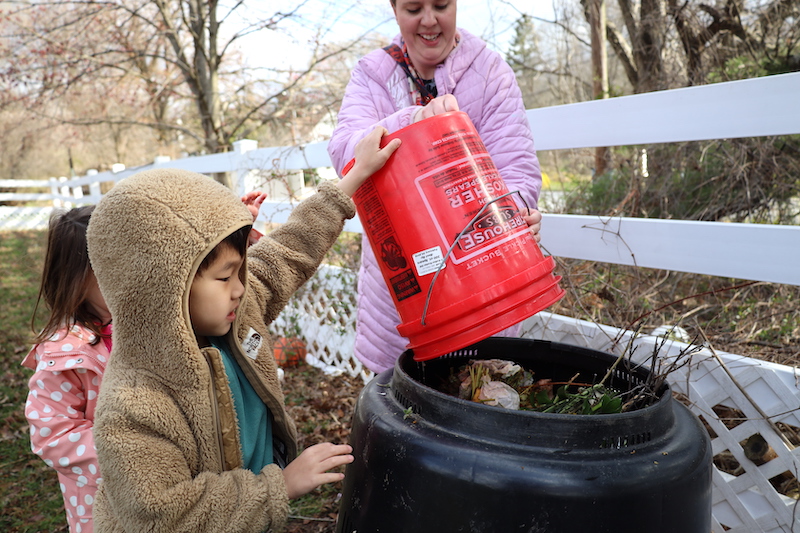
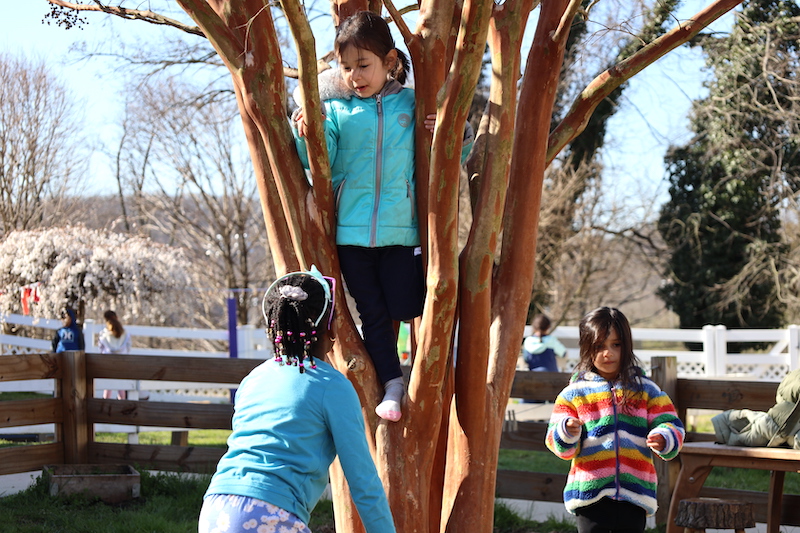
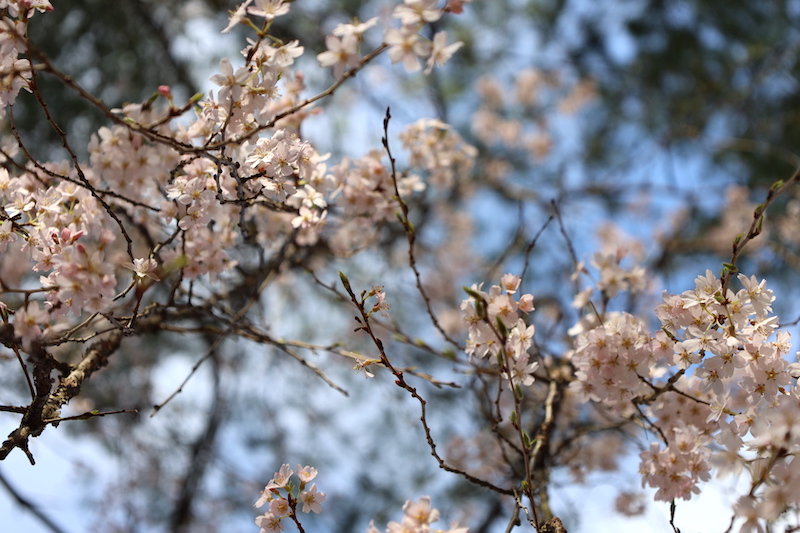
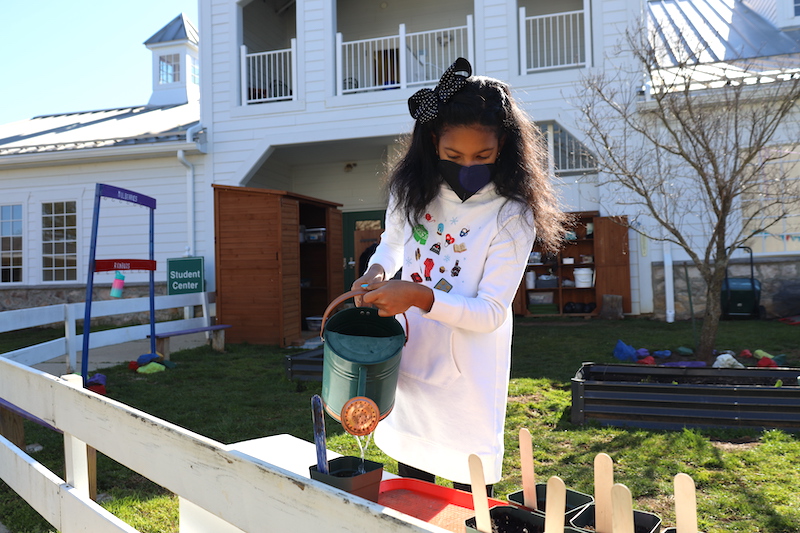
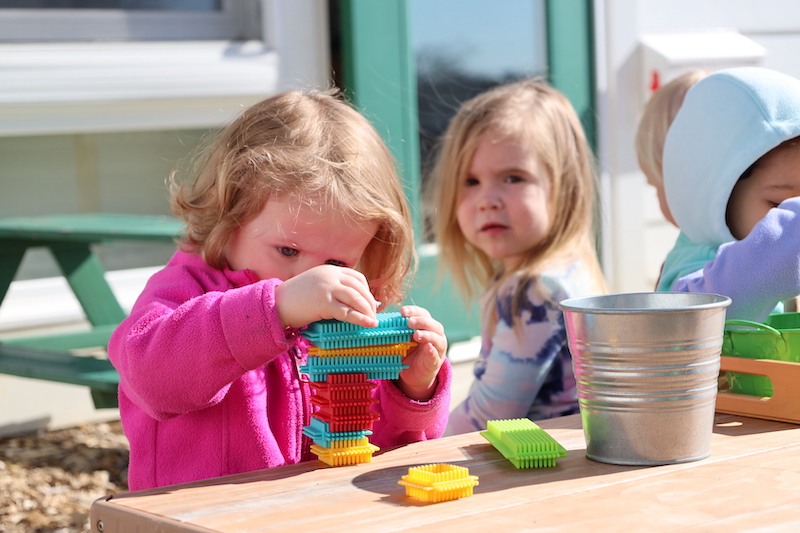
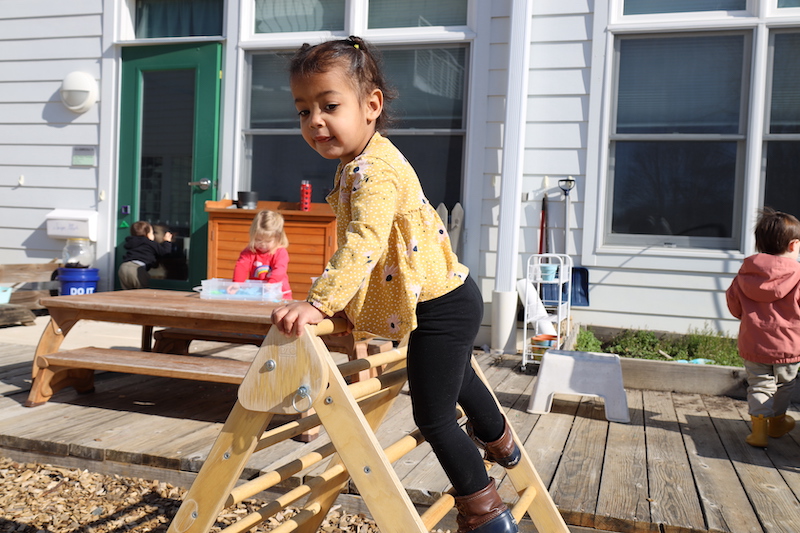
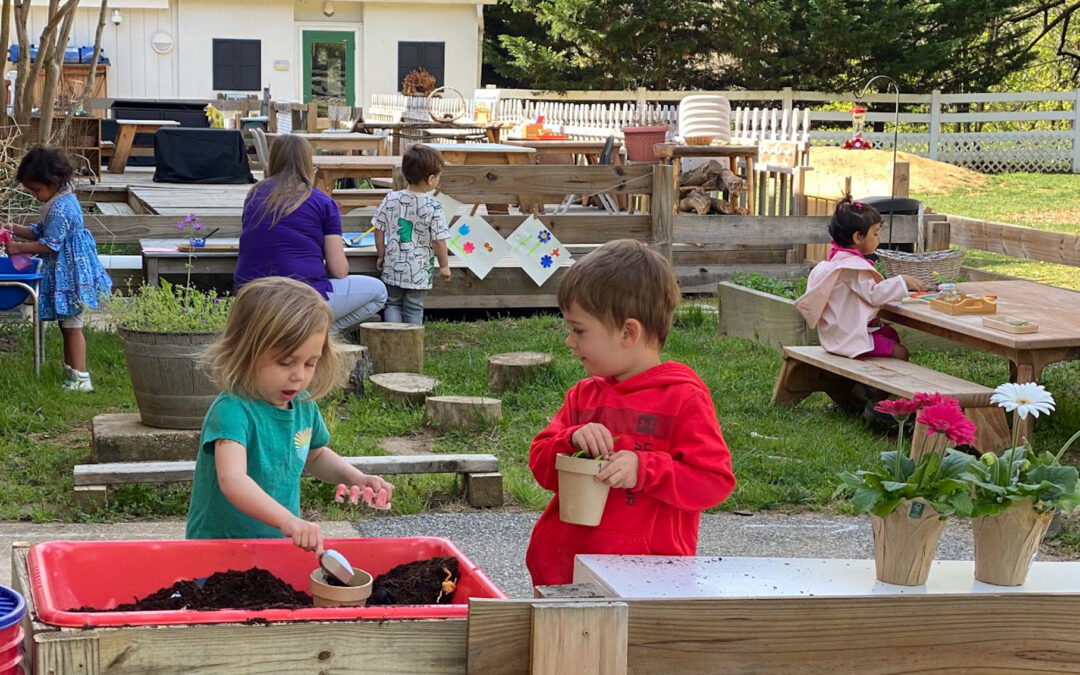
Monday, March 20th was the first day of spring and our students are celebrating in their outdoor learning enironments!
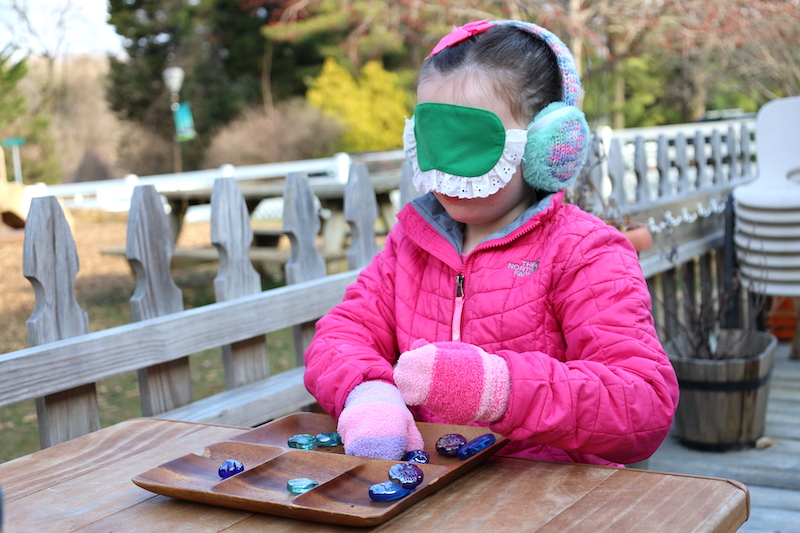
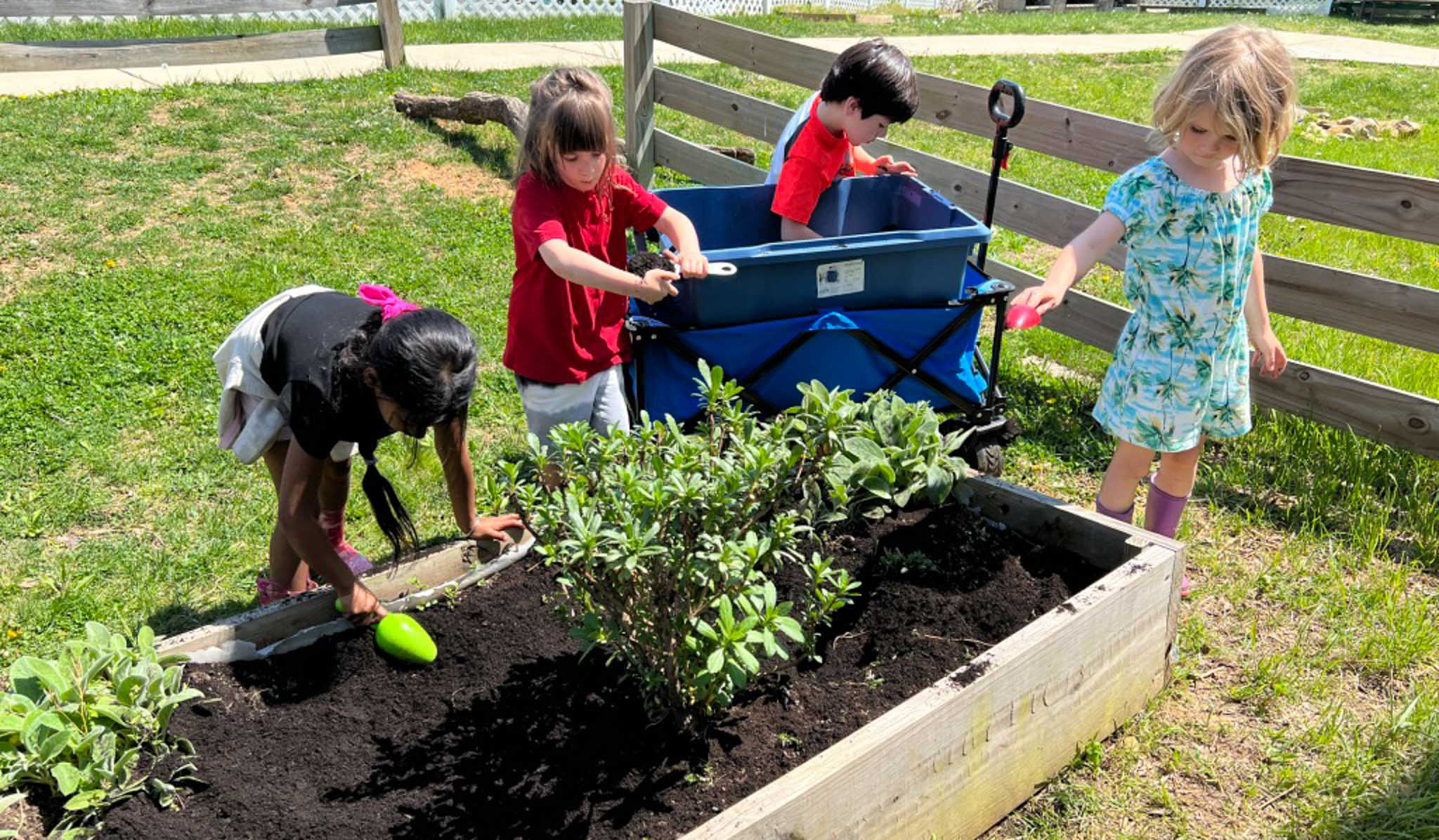
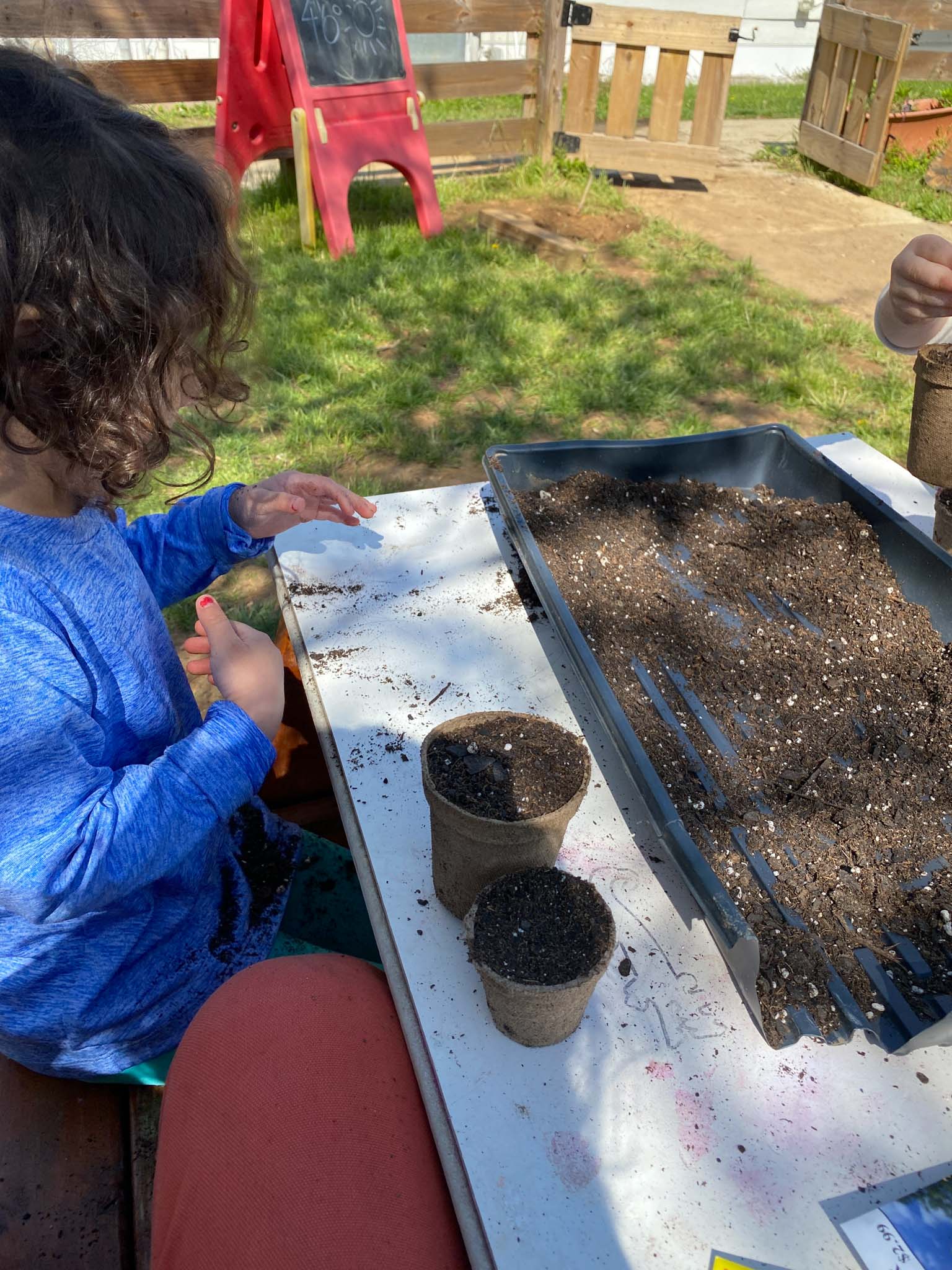
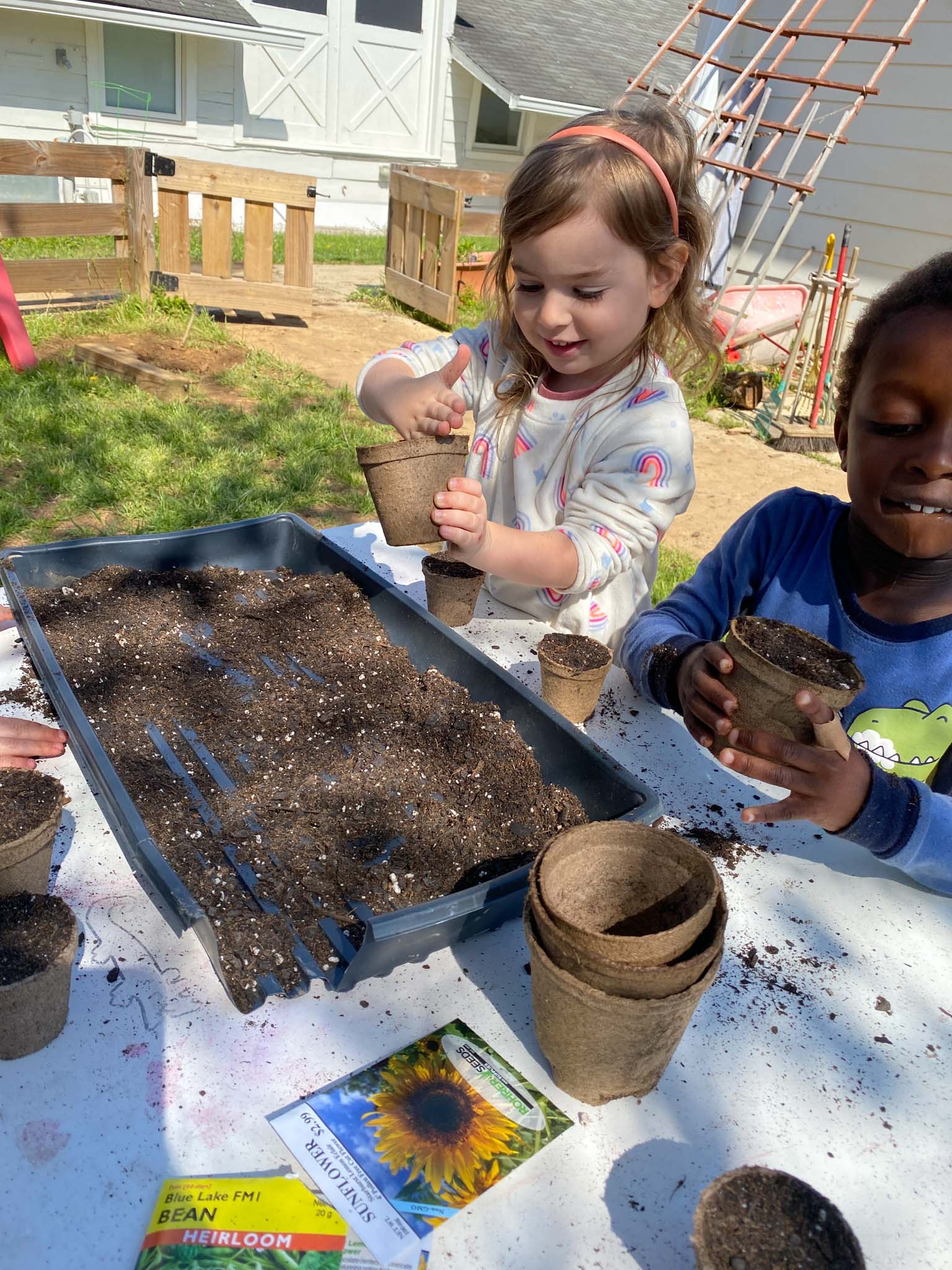
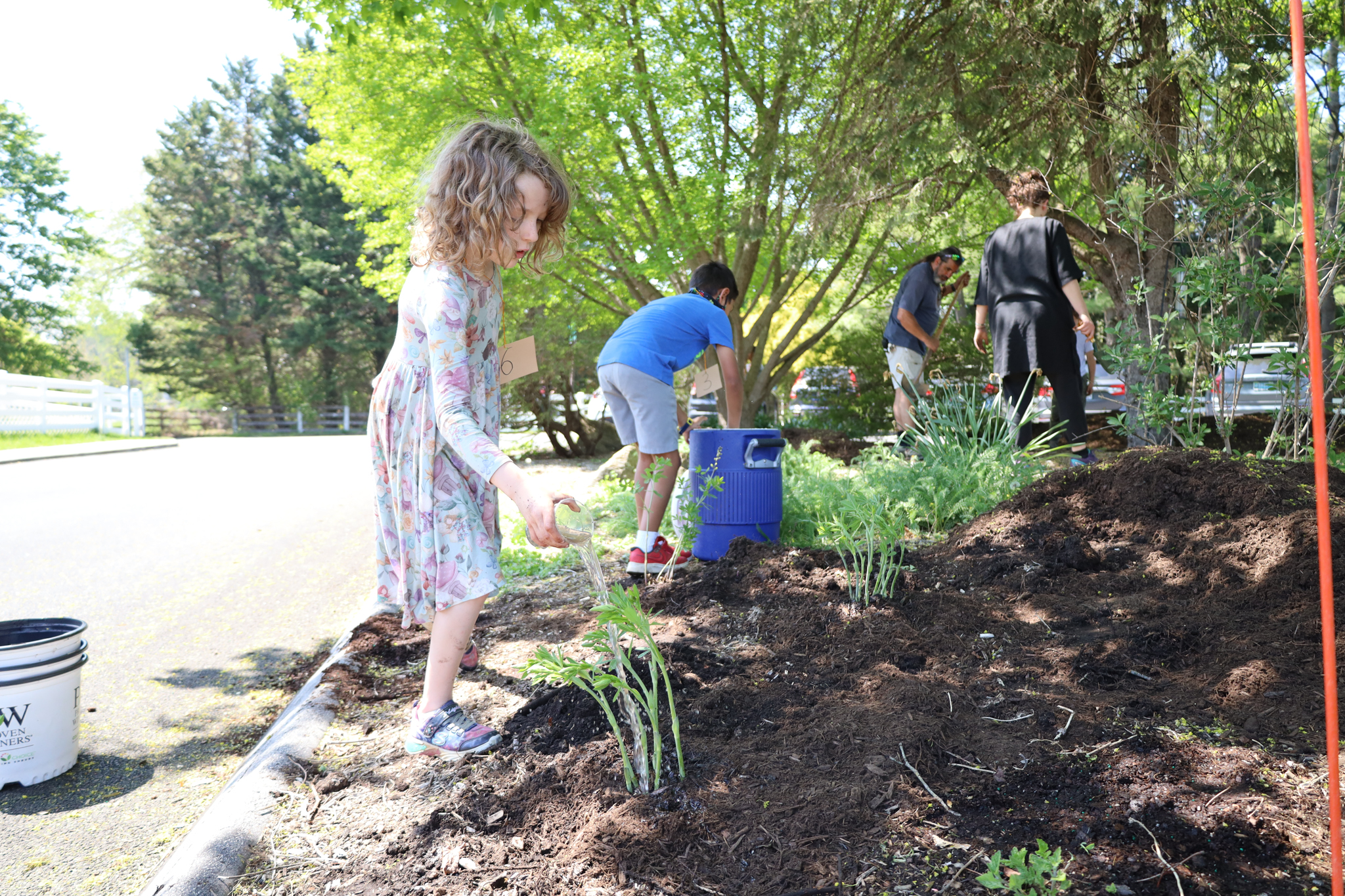
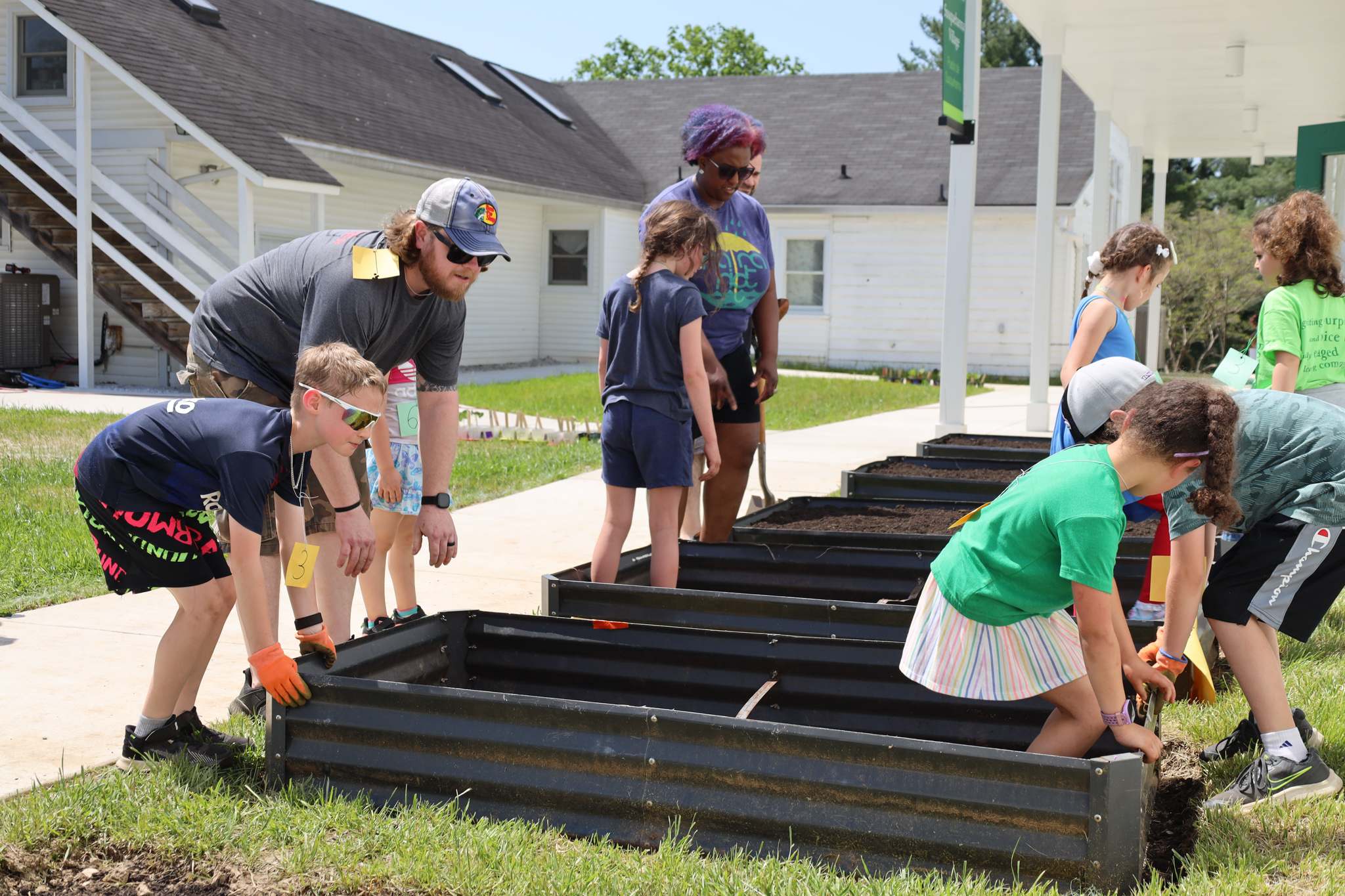
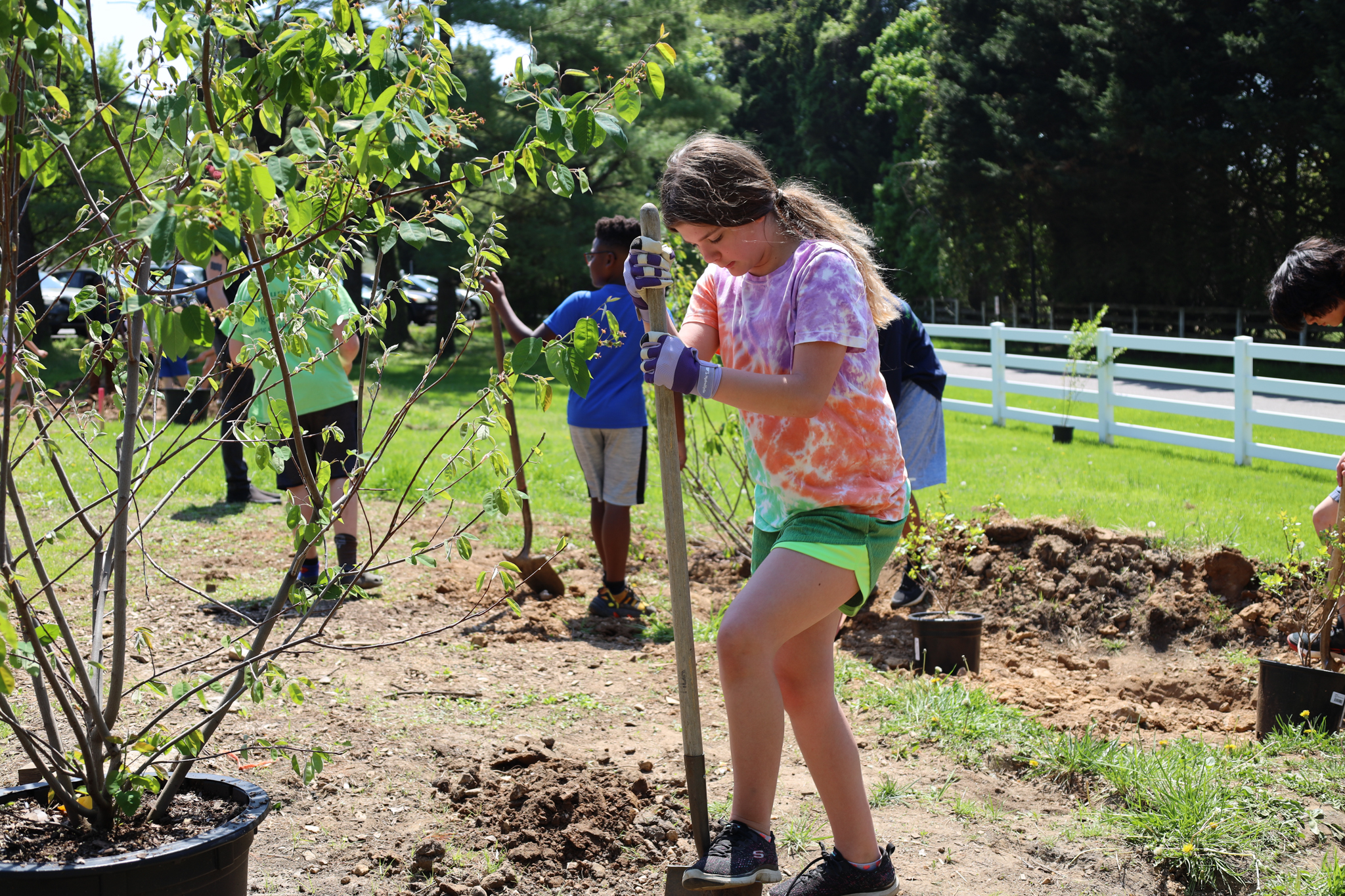
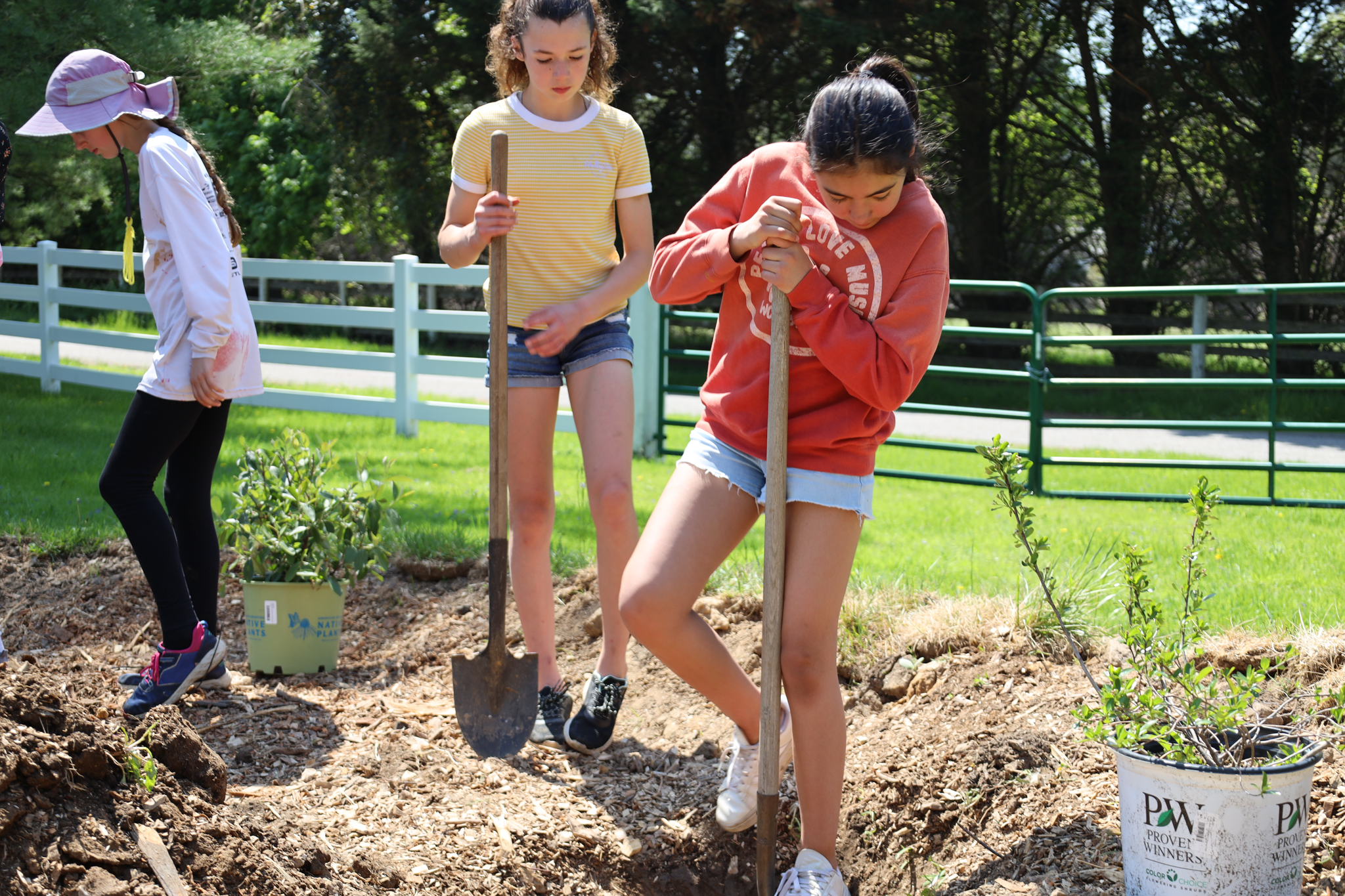
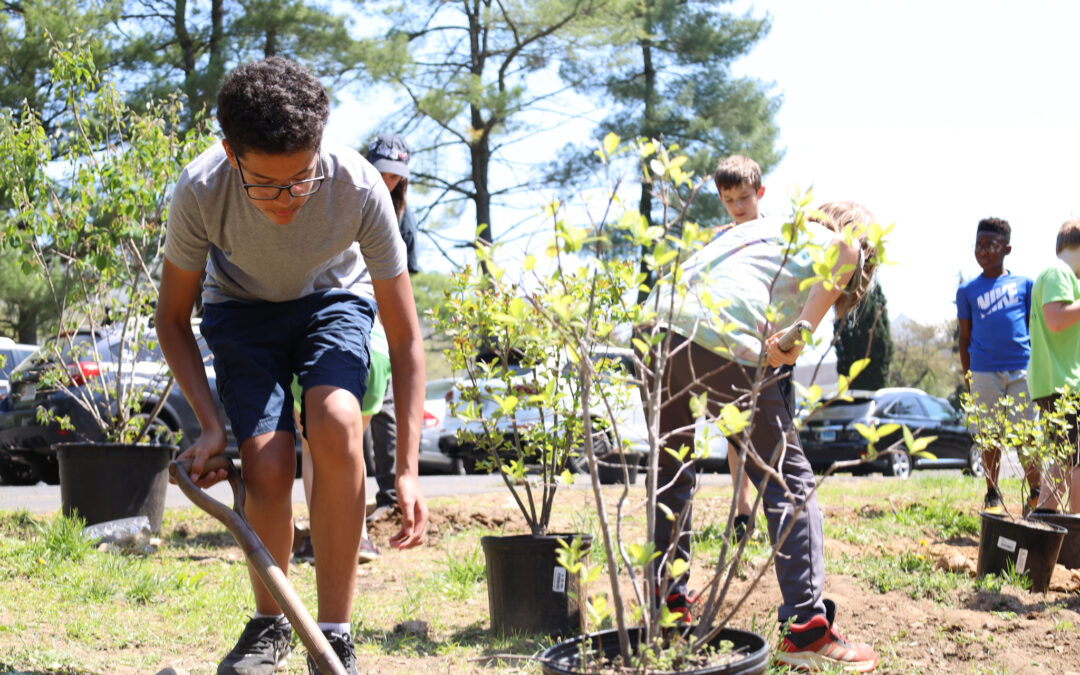
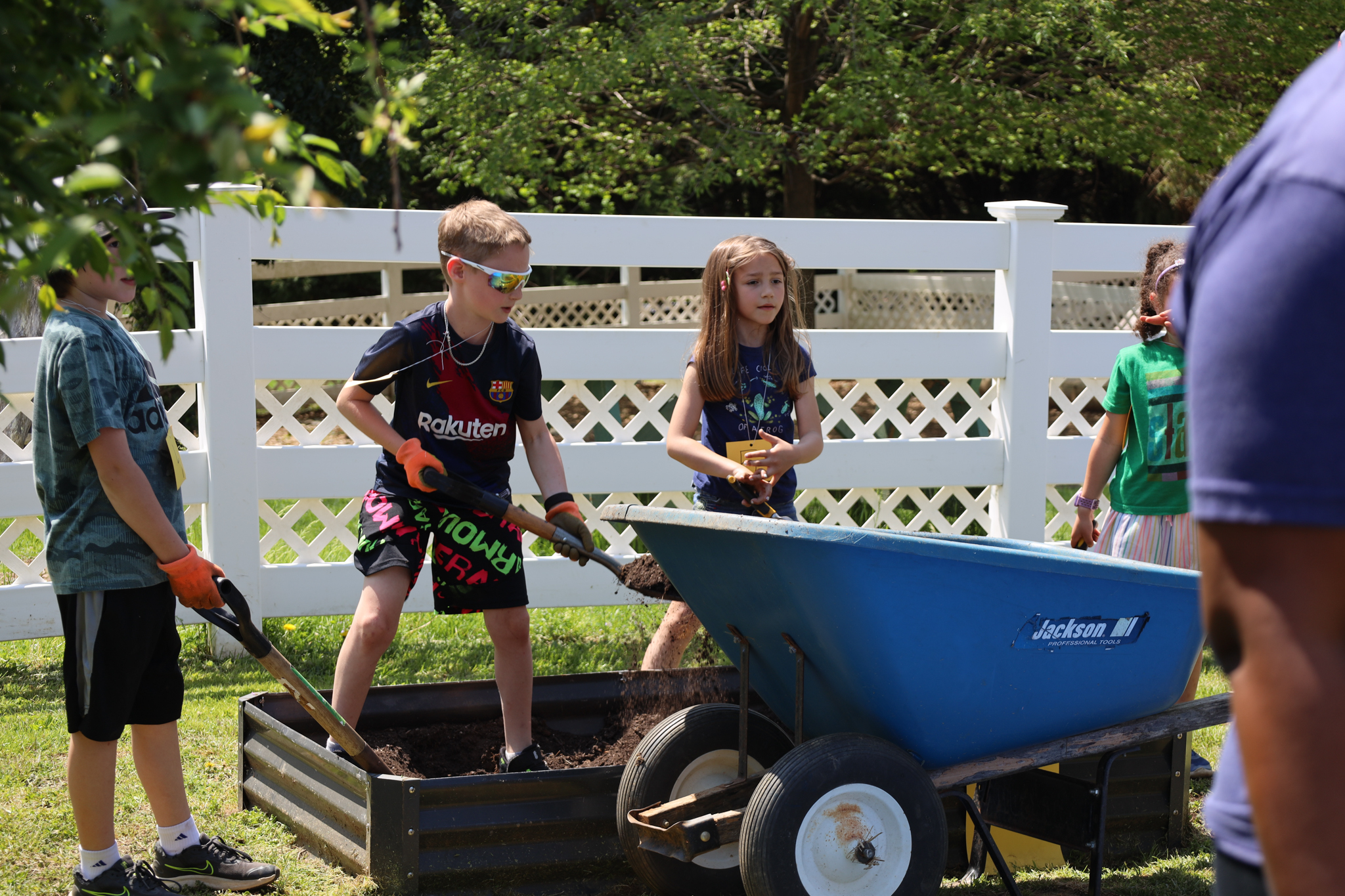
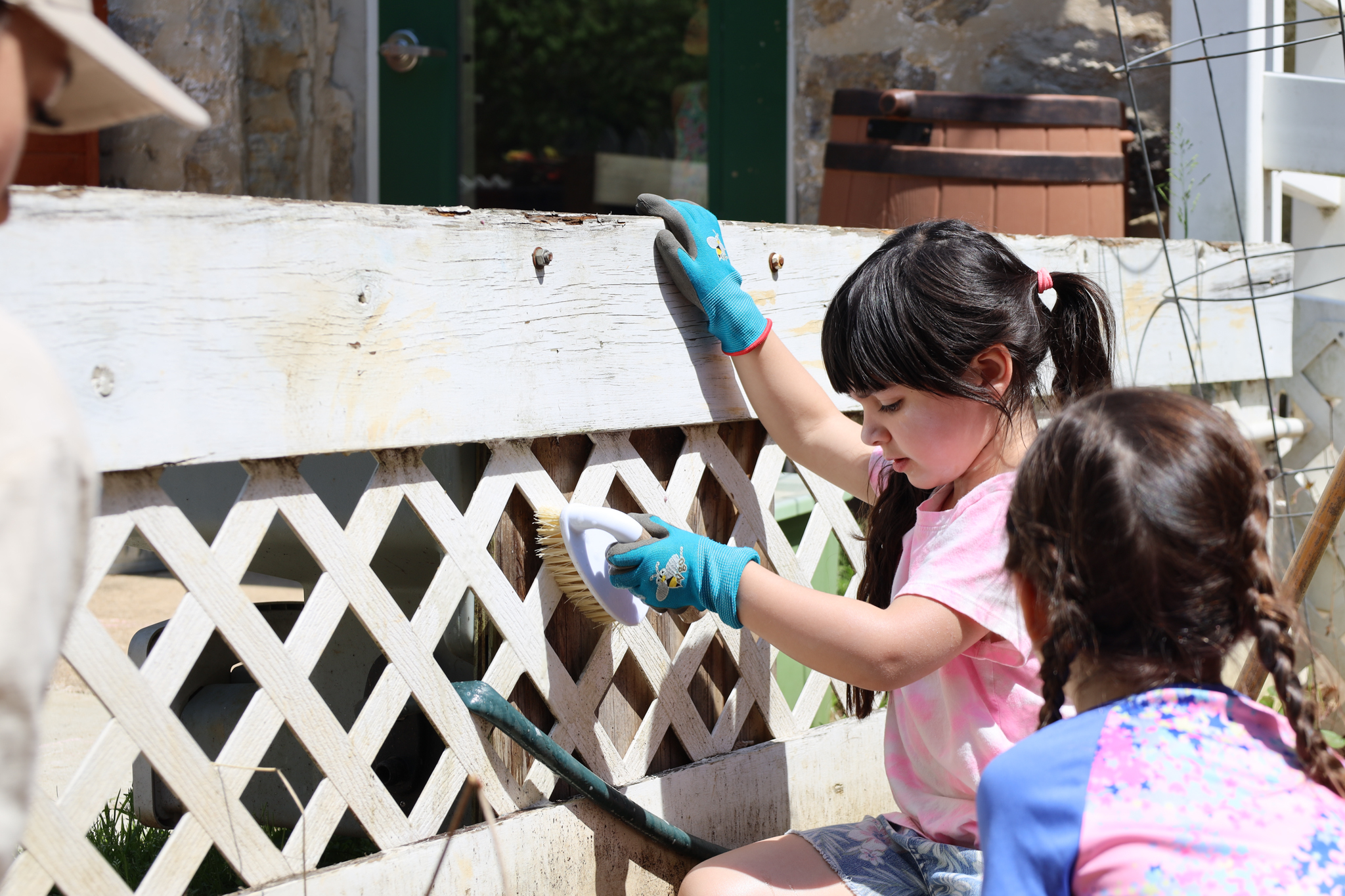
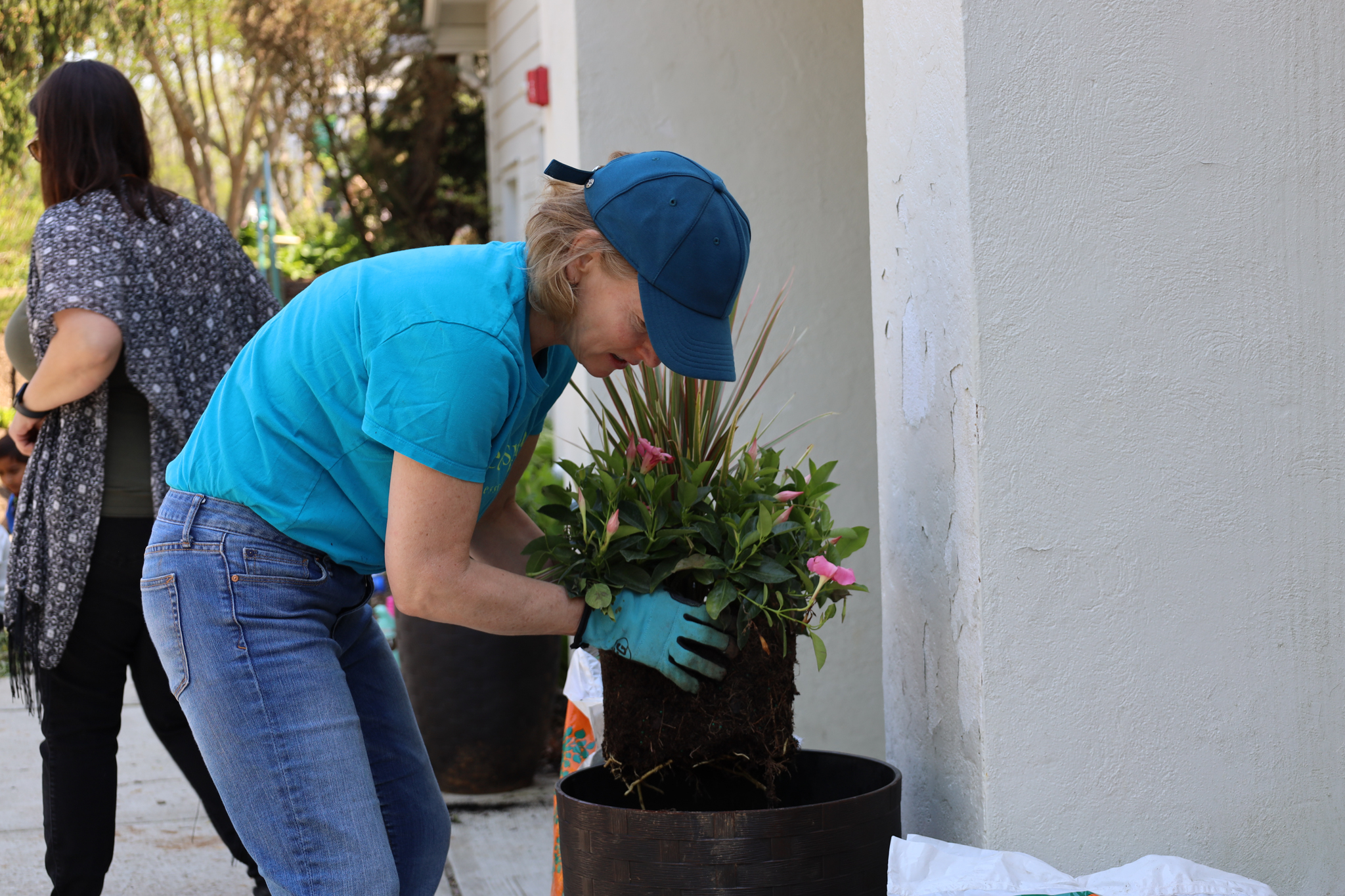
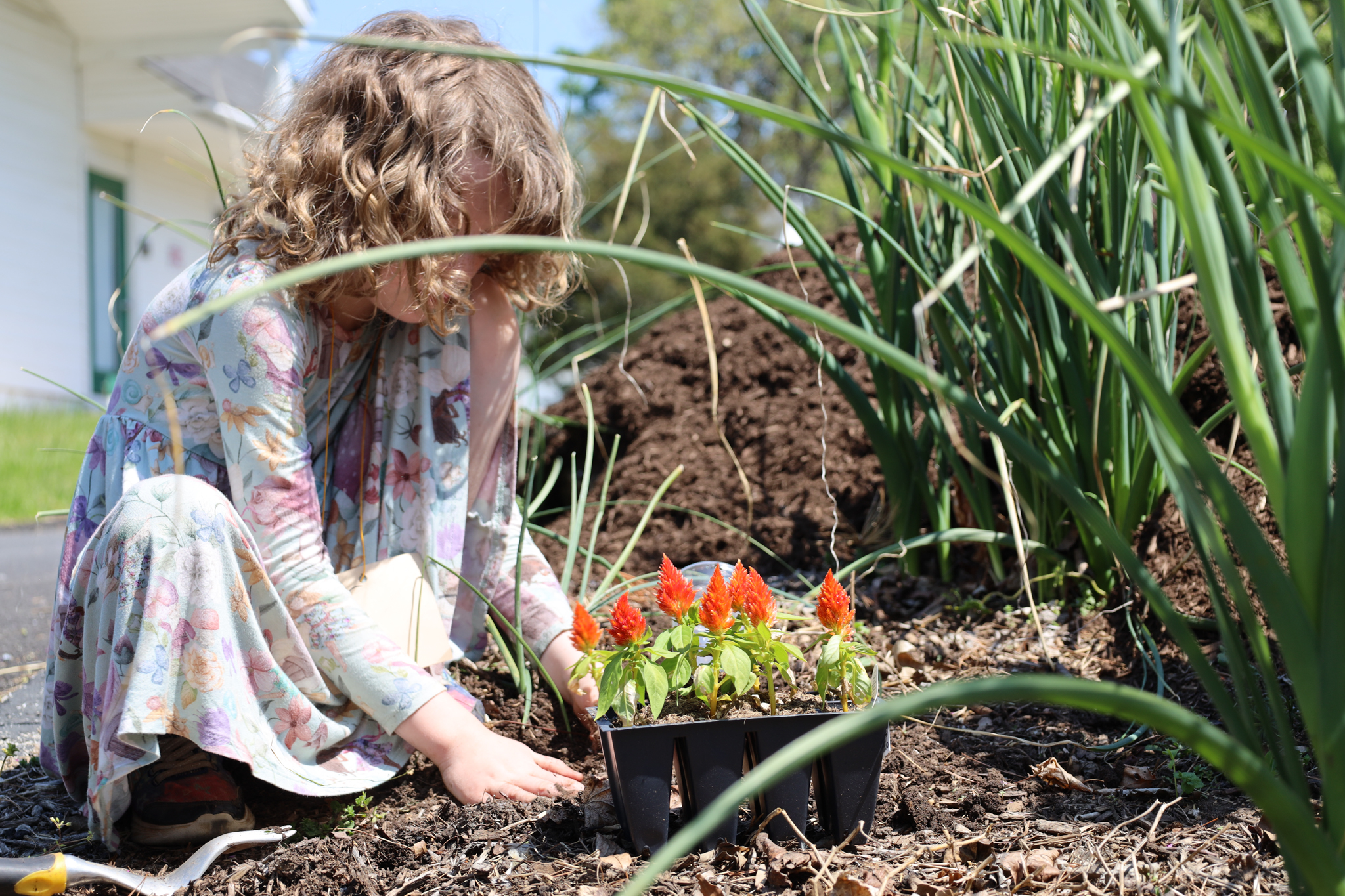
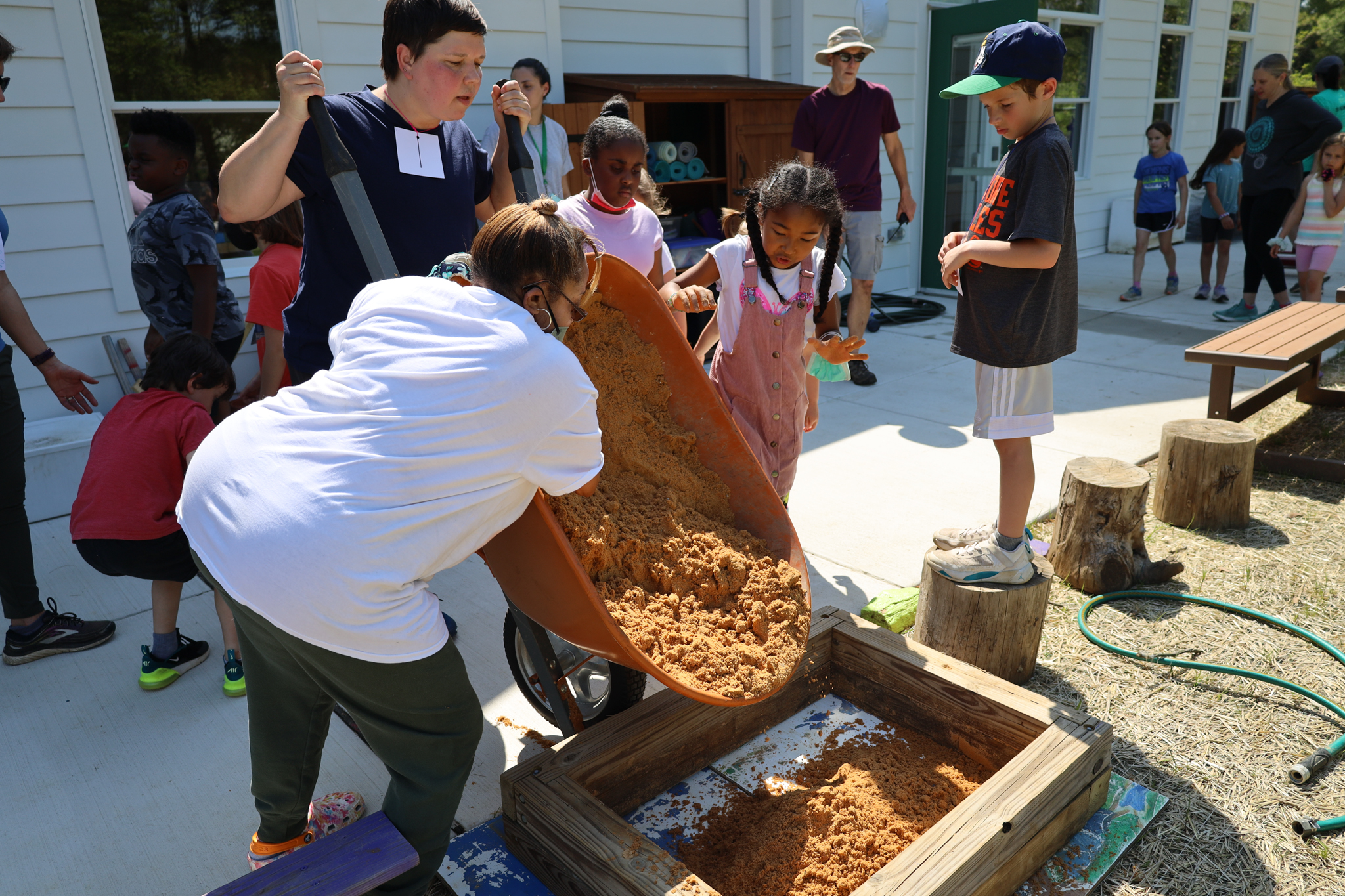
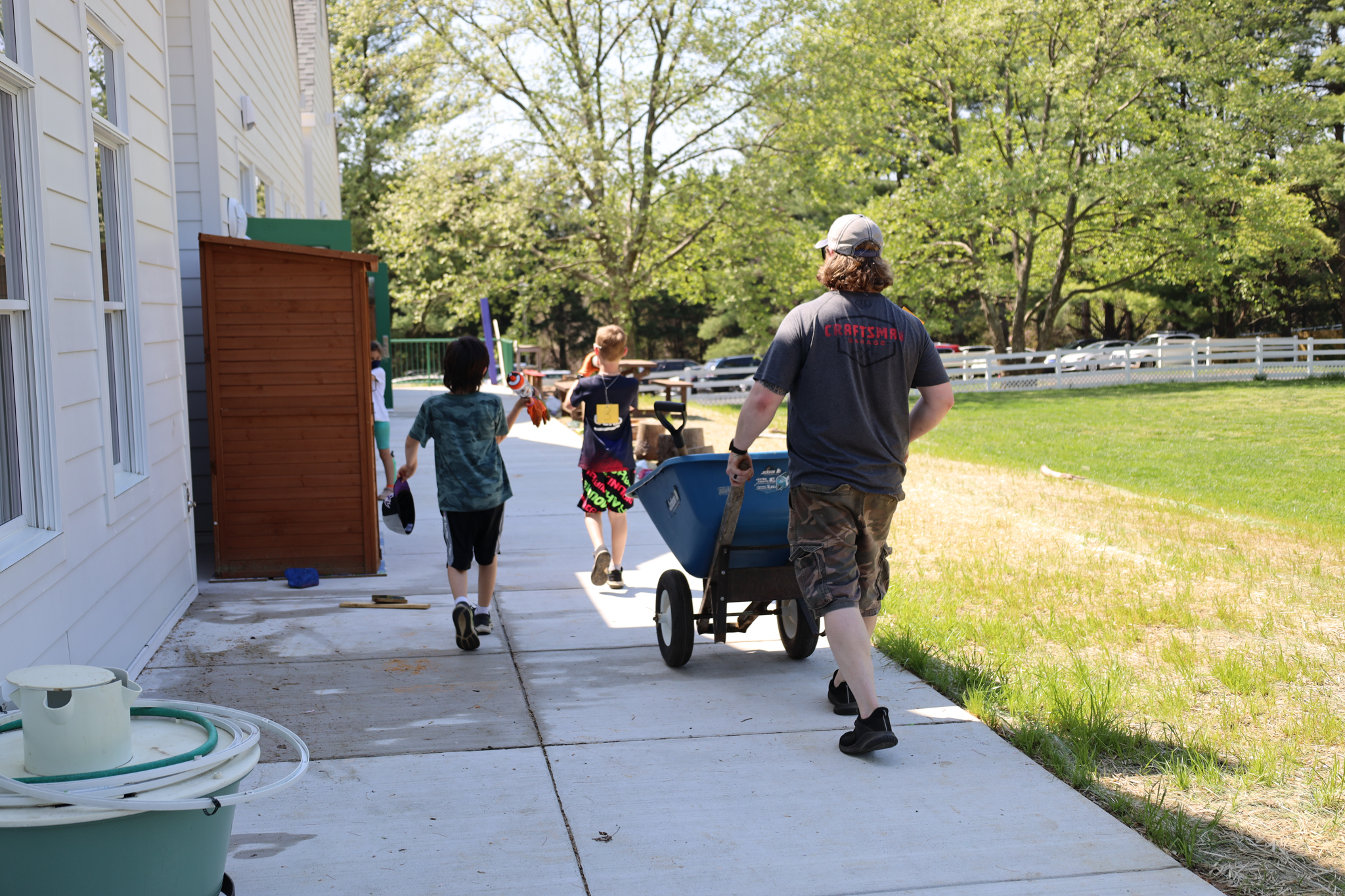
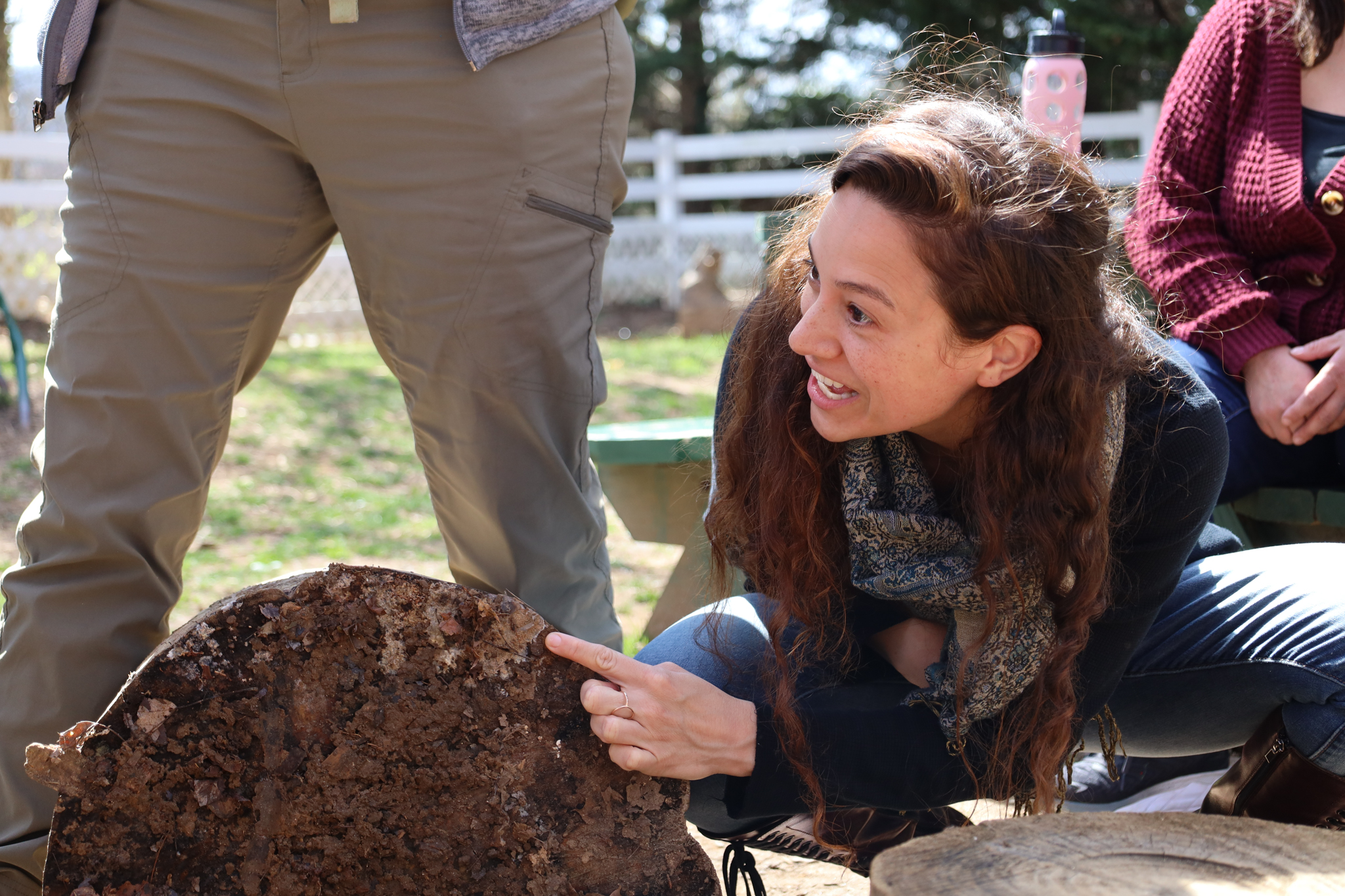
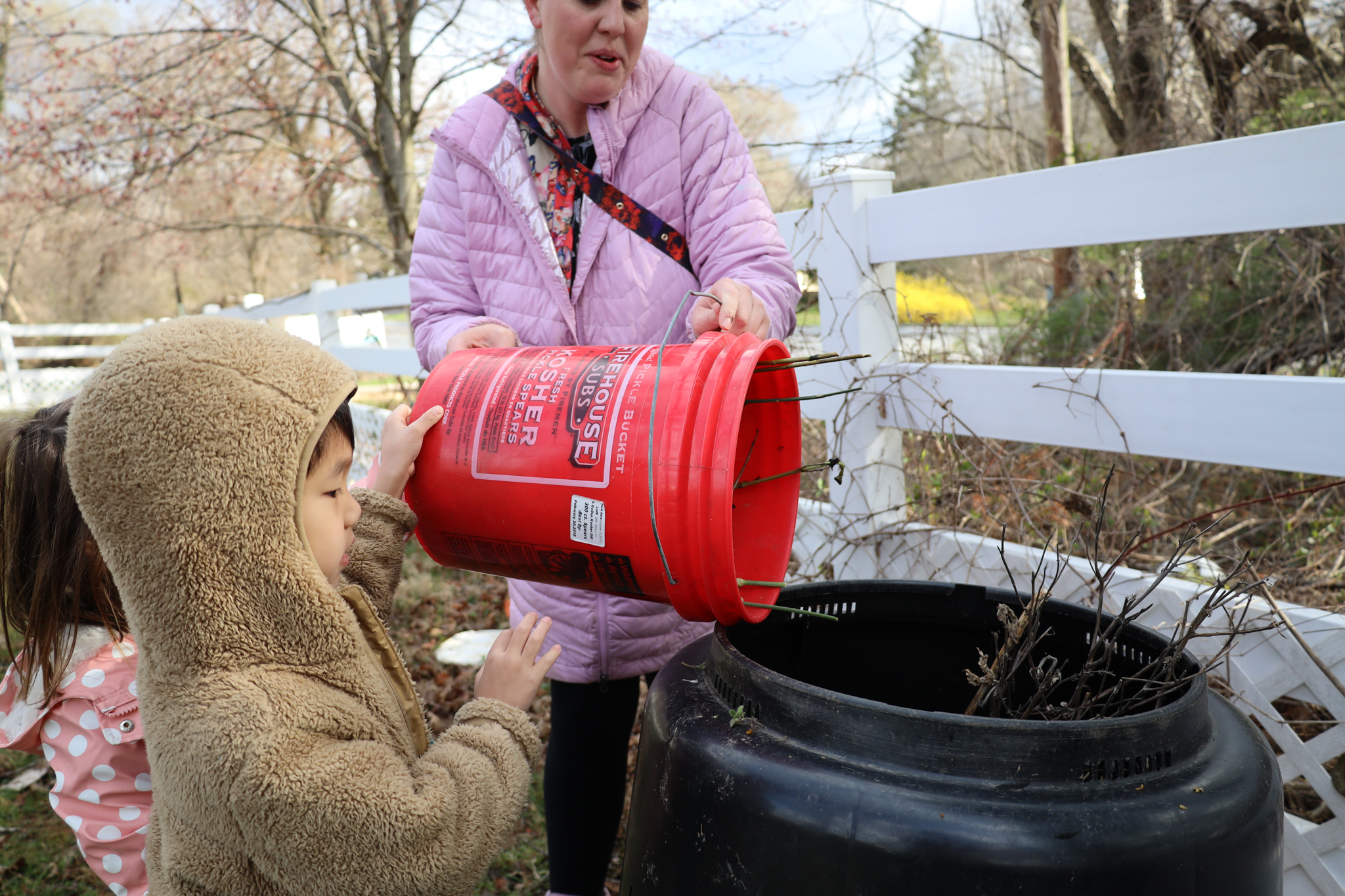
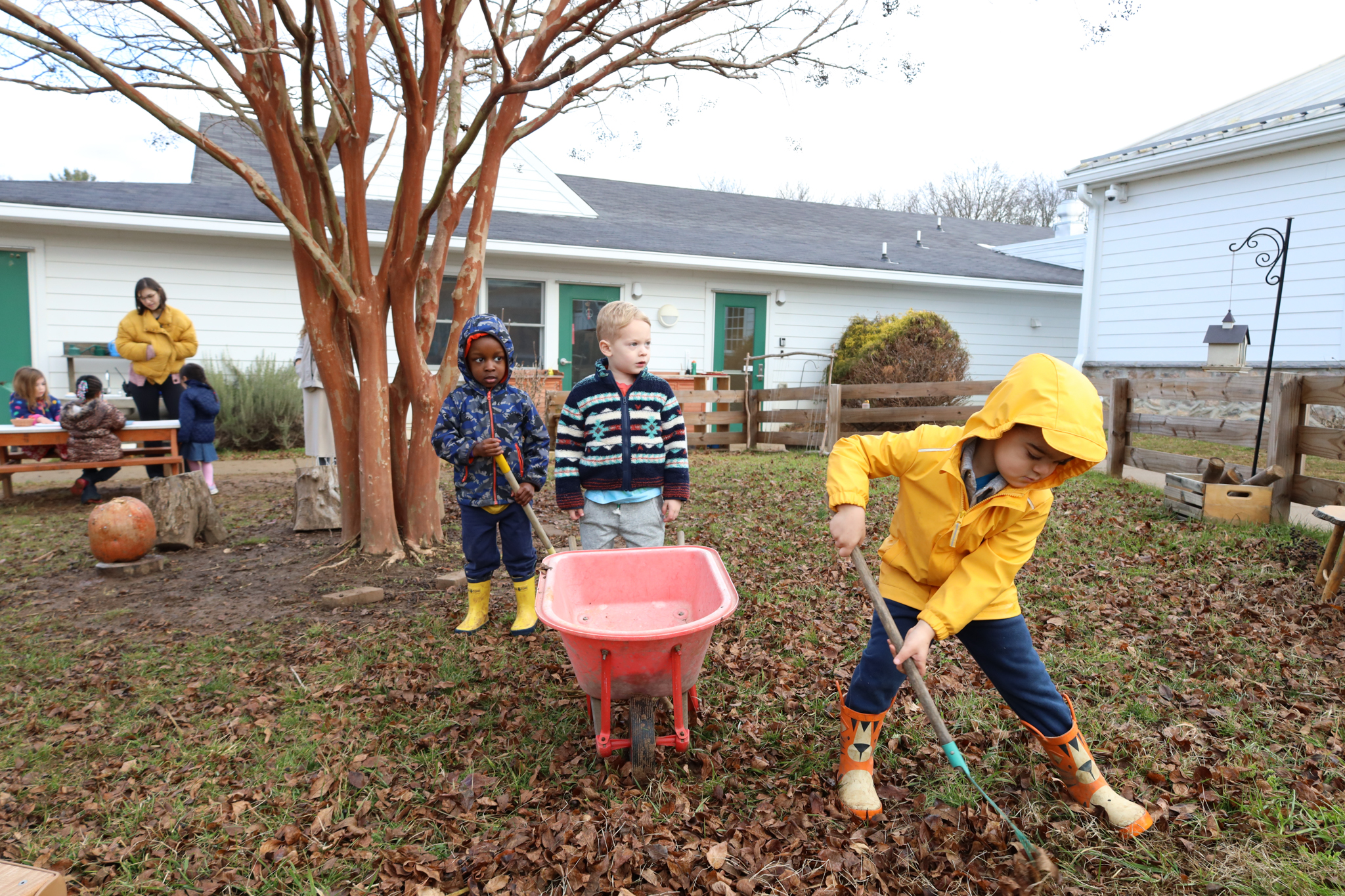
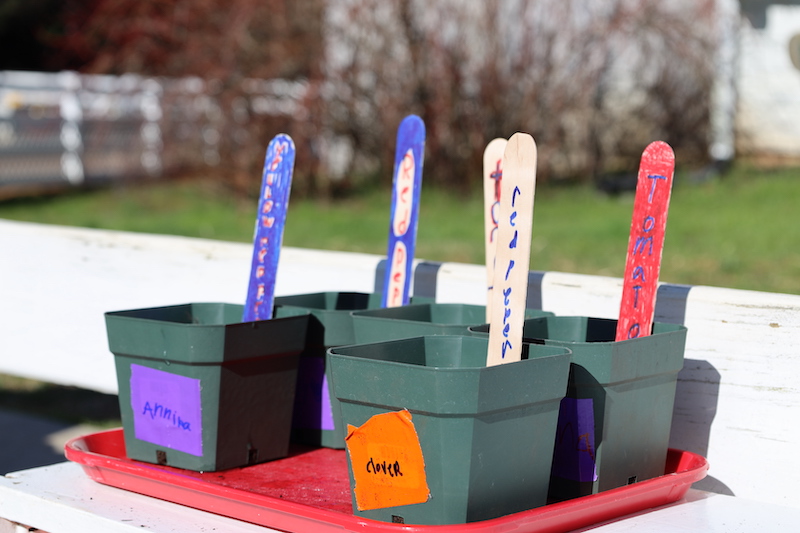
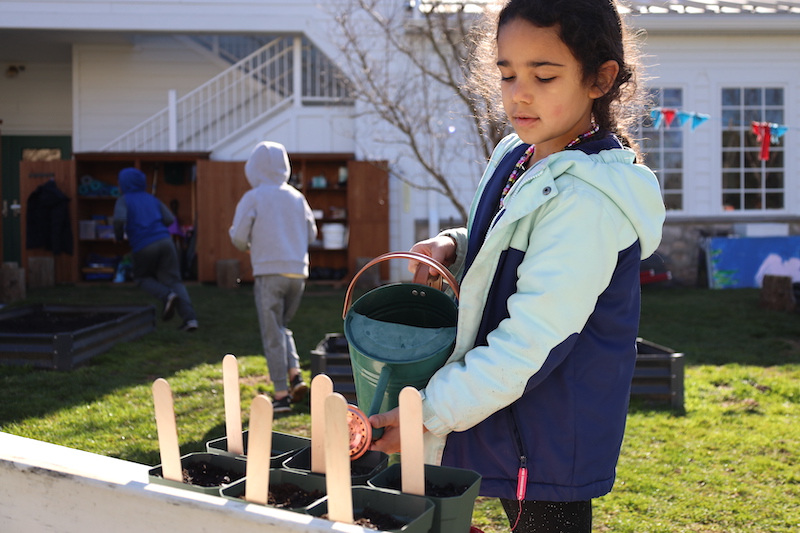
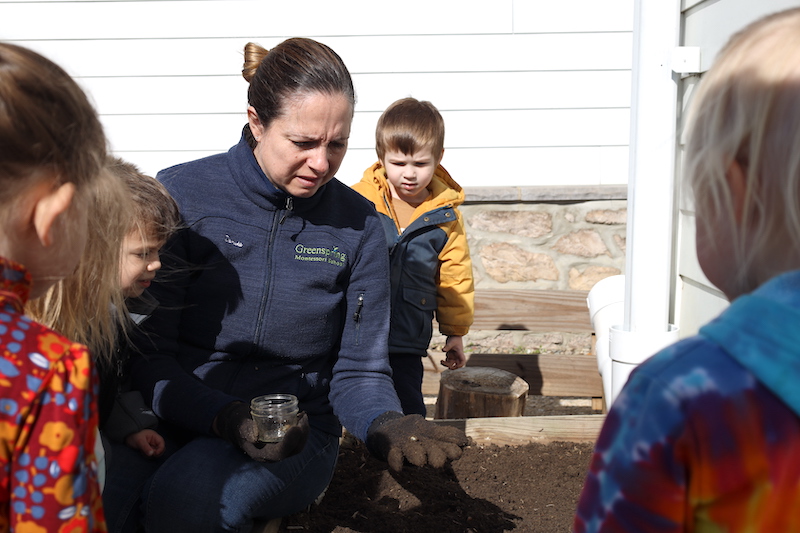
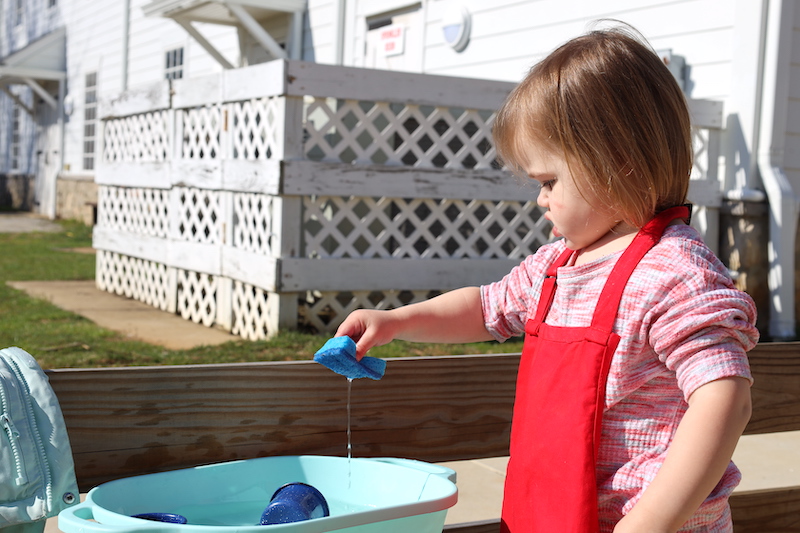
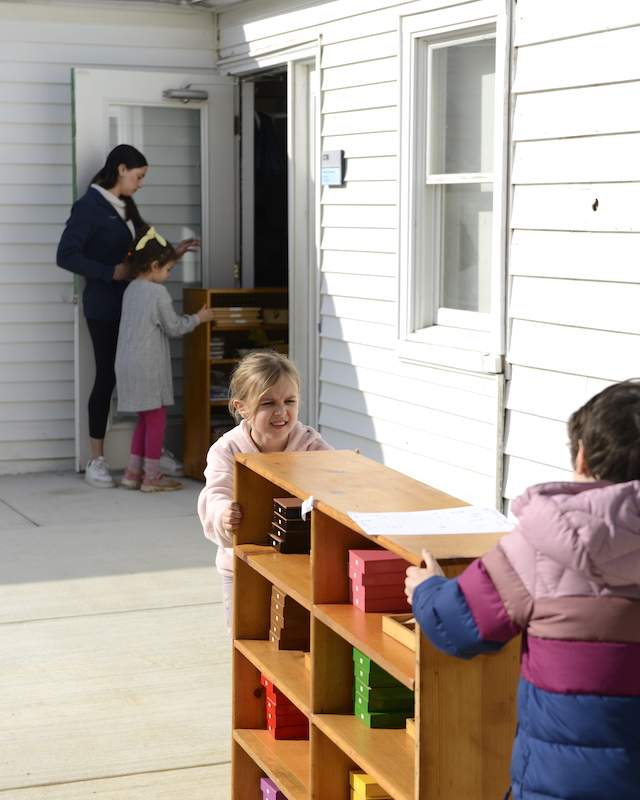
Students at Greenspring learn how to care for their outdoor environments from our youngest ages. Outdoor work includes watering and weeding the garden, sweeping, and planting seeds and new plants. Older children scrub fences and even build raised beds. These practical activities build a sense of connection and ownership as children care for the natural spaces around them. 

The Willows Children House Class maintains a pollinator garden which has been certified as a Monarch Waystation through the Monarch Watch program.  This garden provides crucial nectar to pollinators from Spring to late Fall and includes perennials such as two varieties of milkweed, purple coneflowers, goldenrod, and asters, and annual plantings from seed including zinnias, sunflowers, and lantana. Children help water, plant, weed, and care for the garden throughout the school year.

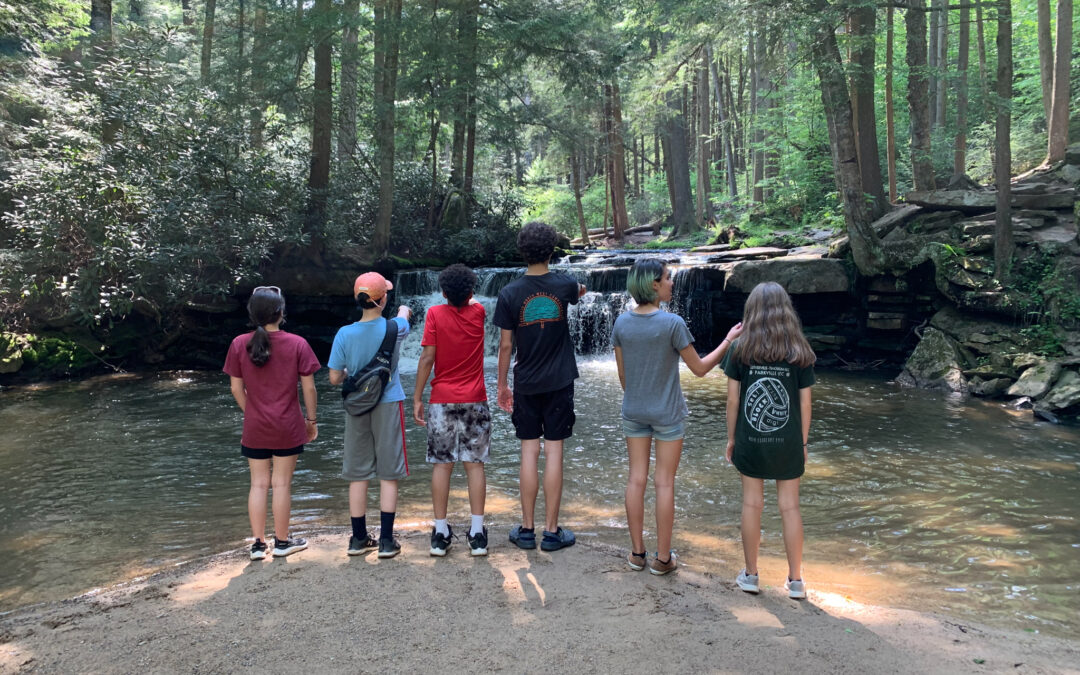
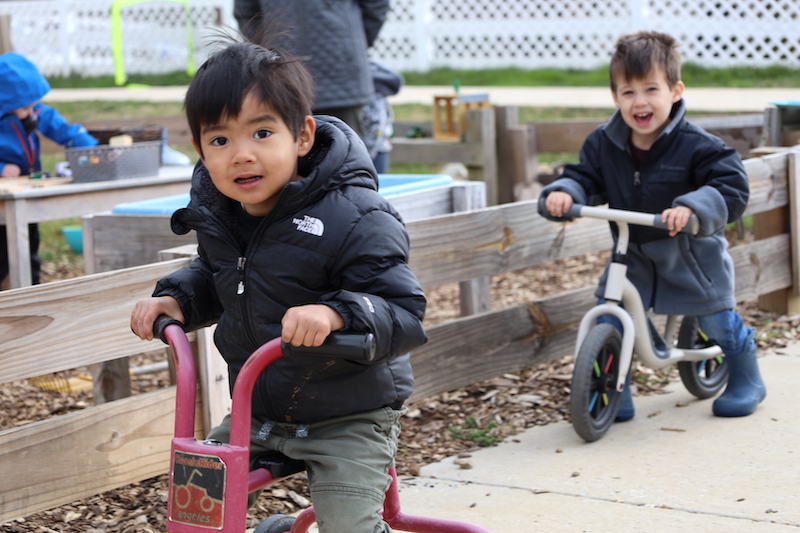
Enjoy some recent photos from our outdoor learning spaces!

March 2023 Capital Project Update

March 2023 Capital Project Update

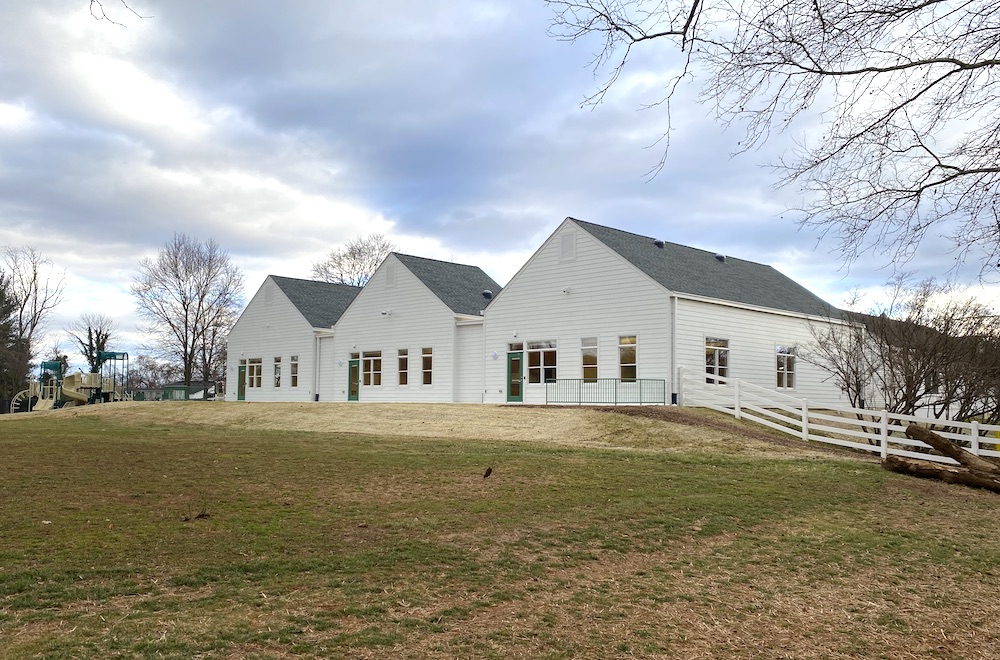
Our new Elementary Village is complete!

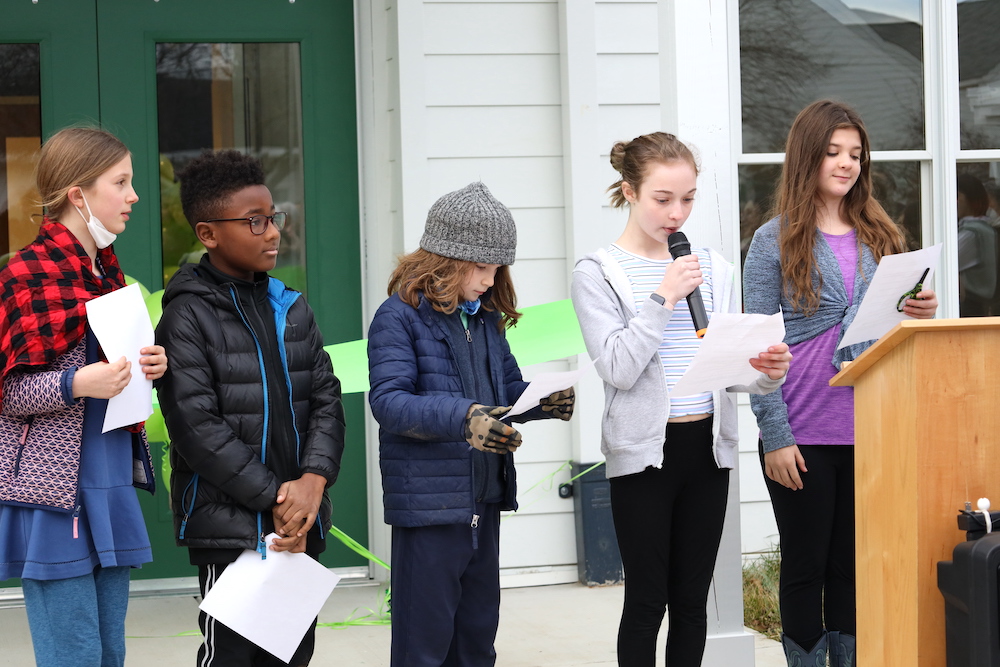
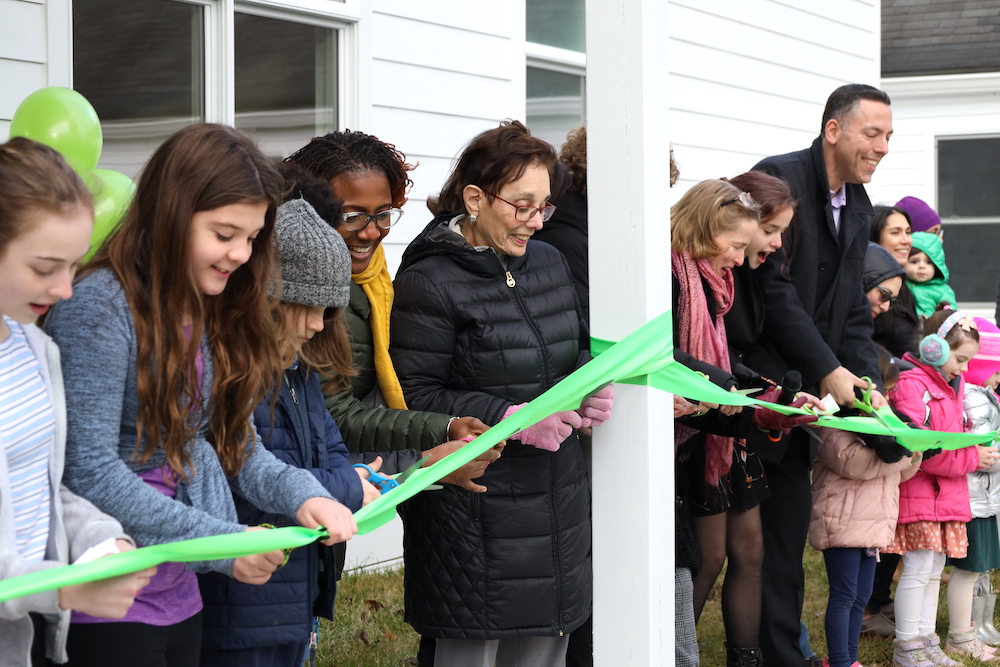
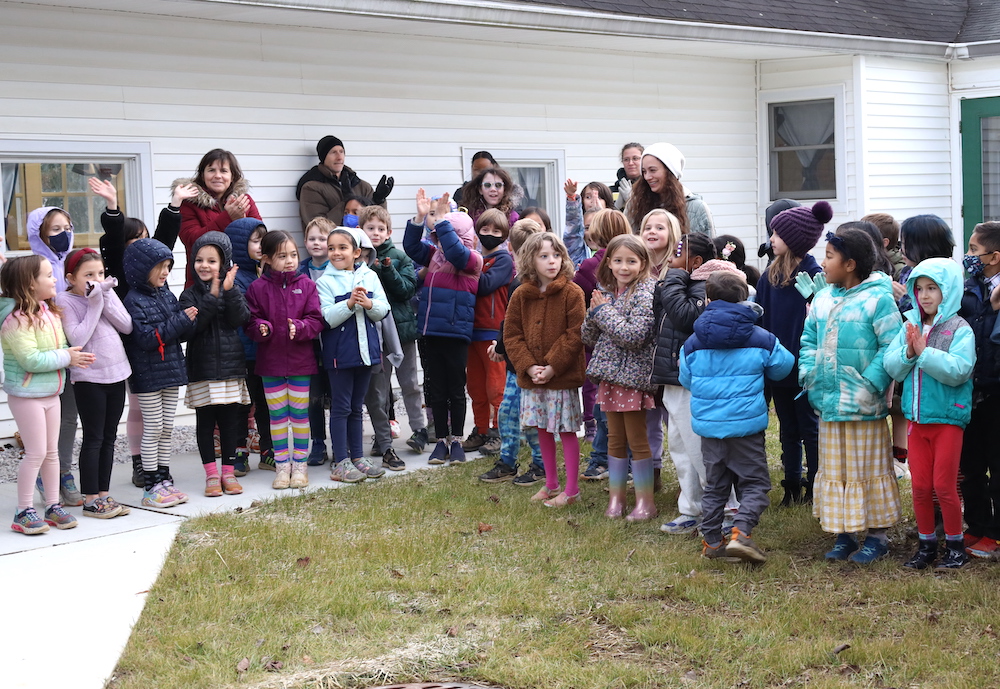
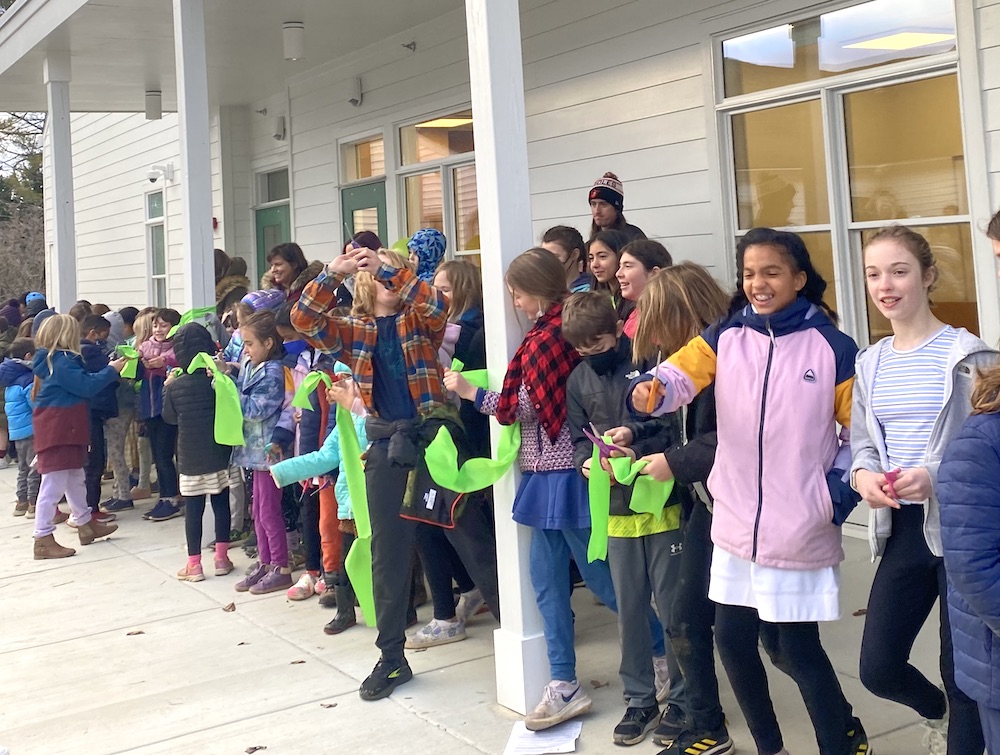
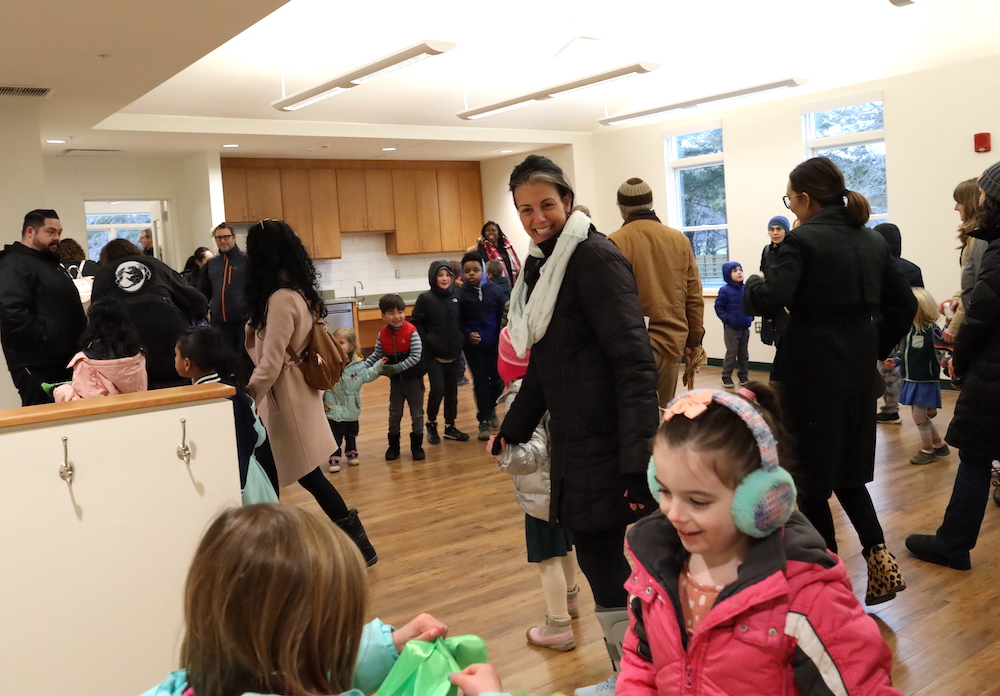
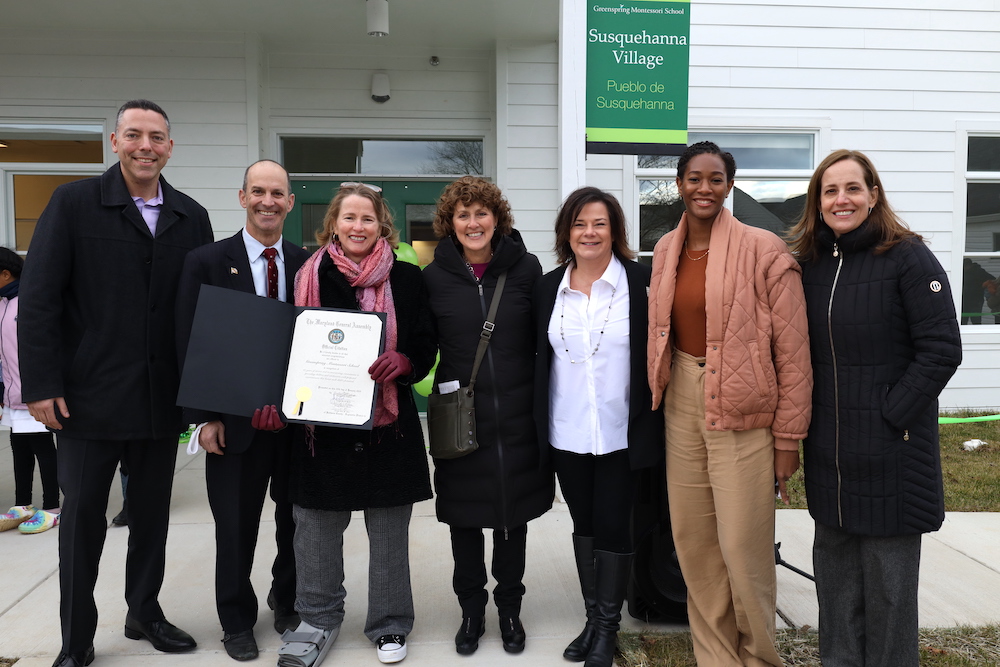
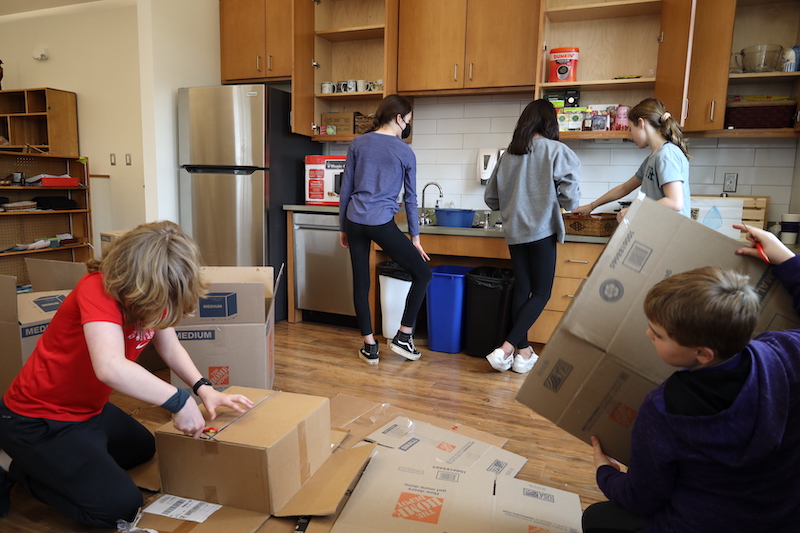
We celebrated the completion of the Susquehanna Village with a ribbon cutting on January 20, 2023. This Elementary Village is home to two Lower Elementary classrooms, an Upper Elementary classroom, a full kitchen, and outdoor environments. It will become a community hub for over 90 students and staff members.

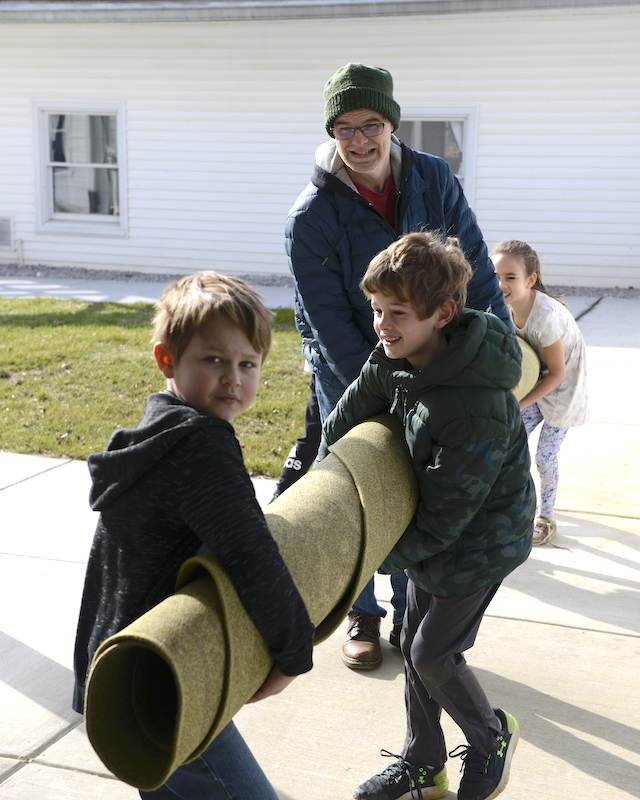
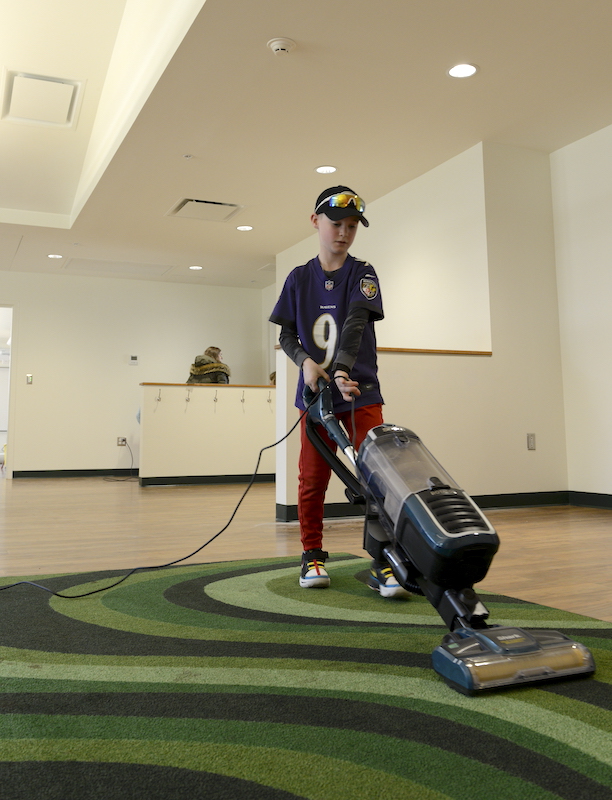
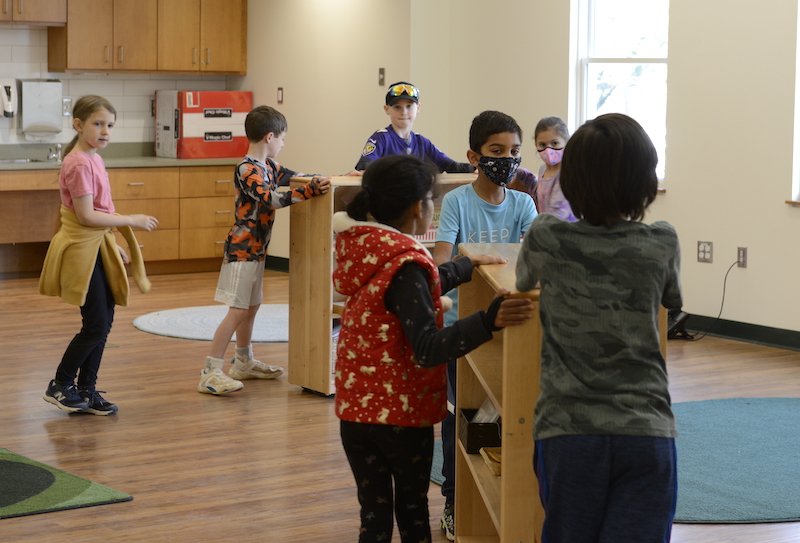
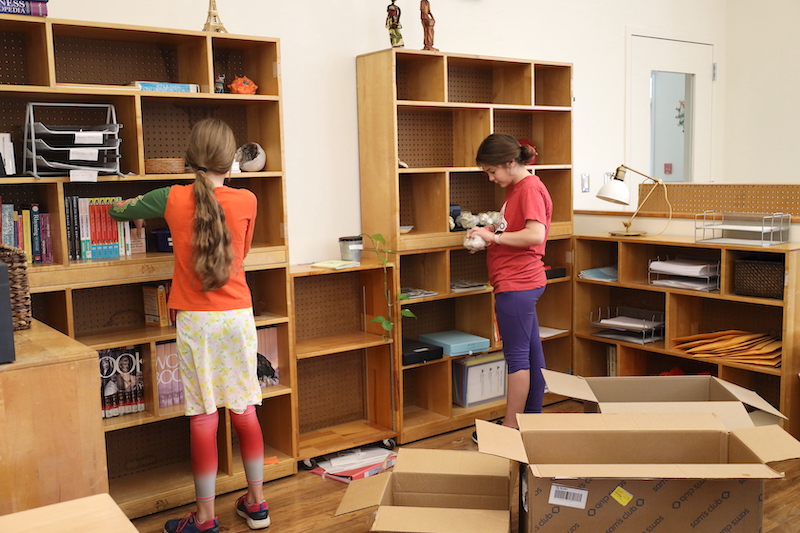
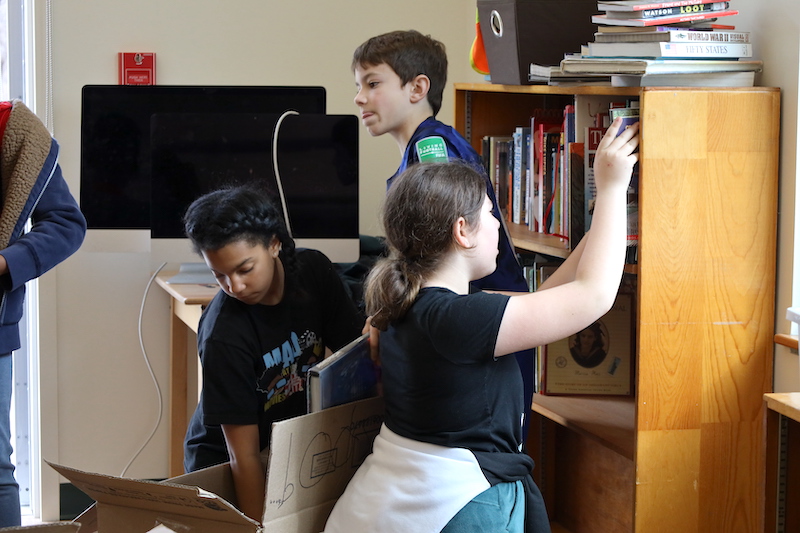
Students, families, and staff rallied together to move all three Elementary classrooms into their new spaces in one day! Thank you to everyone who lent a hand to make this a reality.

The students are completely settled and thriving in their new spaces. The Guides have loved giving lessons in their new spacious classrooms filled with natural light. The students enjoy all of the amenities that are designed just for their size. They are all looking forward to truly making these spaces “home” in the remaining months of the school year.

Looking forward, we are excited to begin work on our Outdoor Environments. With our new plan, these spaces will be just as beautifully prepared as our indoor classrooms. Stay tuned for future updates on our Capital Project page.

Social Emotional Learning for Elementary Students

Social emotional learning (SEL) is how children and adults learn, acquire, and apply the skills and attitudes needed to develop groundedness, empathy, and healthy identities throughout life. SEL is arguably the foundation for all other forms of learning to take place. 

Through SEL we practice managing our emotions in order to achieve personal and communal goals, and to learn the art of self-regulation. Through SEL we build our capacity for emotional intelligence, as we learn to show empathy for others while establishing and maintaining supportive relationships. Effective SEL helps us to make caring and responsible decisions when needed. SEL is best taught through language that is used regularly. For students, staff, parents, and all community stakeholders to use it effectively, it must be incorporated into everyday interactions, opportunities for conflict resolution, and as part of everyday culture. 

Greenspring Elementary students have been weaving the language of SEL into their everyday experiences and when it comes time to problem solve or resolve conflicts. Through Character Education lessons, students have learned about social emotional topics, such as tattling versus reporting, personal space, taking a walk in the shoes of another (empathy), digital citizenship, friendship building skills, bucket filling, among other topics. With each lesson comes valuable social emotional language that is referenced even well after the lessons are given, thus making lessons learned part of the culture. (The goal is to then create SEL work that will be displayed on the shelves for children to further practice their skills with.)

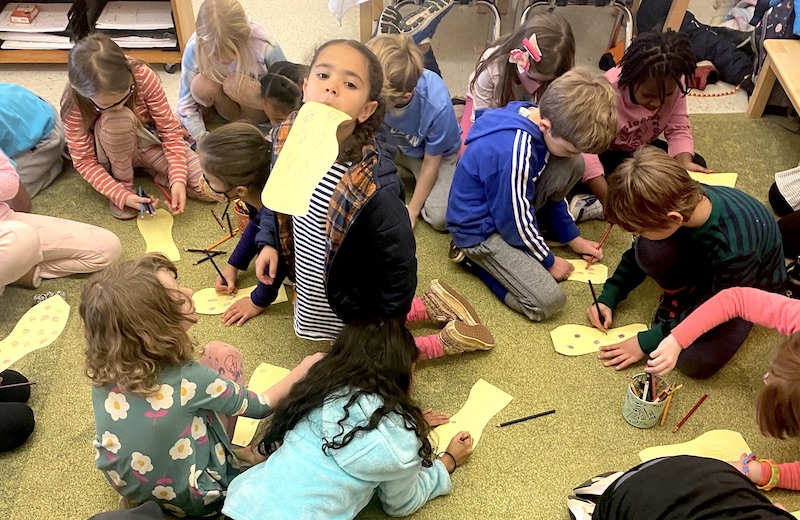
For example, Lower Elementary students enjoyed a Character Education lesson about the differences between Tattling and Reporting. Students learned that tattling occurs when one “tells” on another for doing something that may be annoying, but does not hurt anyone else. They also learned that reporting is something that we are expected to do, when one’s body or heart could get hurt. Reporting is very important and necessary when someone could be in danger. Tattling is something we can avoid, when no one is in danger physically or emotionally. We also talked about what else we could do instead of tattling when something “annoying,” but nothing dangerous is happening. We could be  problem solvers, for example, and ask the person who is doing something annoying to stop directly, or maybe we could move our own selves away. Focusing on what we CAN do versus what we CAN’T do is a big step in knowing how to problem solve in any situation. Students read the book “A Bad Case of Tattle Tongue” by Julia Cook, and discussed what they could do instead of tattling, and how they should always report a dangerous or scary situation, when necessary! During the final part of the lesson, as students were discussing and role playing different scenarios and trying to decipher which would be cases for “tattling” or “reporting,” everyone made their own “tattle tongues” as a reminder try to not tattle, when they could solve the problem independently!

Lower El also learned about the four different types of “Personal Space” this year, and how they can respect the personal space of others. Students learned that personal space can be broken down into four different categories. Those categories are body space, seeing space, hearing space, and property space. Body space refers to when someone is getting physically too close to another’s body, and how can make someone feel uncomfortable. Students learned that they can tell if they are invading someone’s body space because that person might take a step back or arch their back away. If they see someone doing this, they will know that they need to take a step back so that they do not invade the body space of another. Students also used a hula hoop to determine how close or far away someone could get from them without invading their body space “bubble.” Seeing space invasion is when an object is being held too close or too far away from someone’s eyes. Hearing space invasion is when others are being too loud or too quiet. Property space invasion is when someone’s property is being touched without permission. For each type of personal space students role-played, how to both invade and respect someone else’s different types of personal space. By role-playing different scenarios students practiced what they would do in real life should either they be invading someone else’s personal space or if somebody else is invading their personal space. The specific breakdown of language: Body space seeing space hearing space and property space allows students to give greater meaning to what type of space feels invaded or respected to them. It also gave them a chance to practice advocating for themselves by saying something like “Please back up a bit. My body space is feeling invaded.” As we know, specific language is such a valuable tool in communicating our thoughts and feelings, so giving students the language for what it means to both respect and invade someone’s personal space can be really helpful to them, their friends, and their community in the future. 

Upper Elementary students learned about gossip language versus considerate language when interacting with peers. During this lesson students squeezed toothpaste out of a tube, imagining that the toothpaste was gossip. They quickly realized that they could not get the toothpaste all the way back in the tube. This signified that hurtful words/gossip cannot ever really be taken back fully, so we need to think before we speak, and take responsibility for hurtful words. We need to imagine the word THINK. (An acronym for,  “Is it True, Helpful, Inspiring, Necessary, and Kind?) If they are not THINK words, we should try to replace them with more considerate words that are. Students focused on the power of positive words we speak to and about one another. The considerate language spreads just as fast as gossip language— so it is important to choose considerate language! (And the impact is much better for all!) Students also talked about how reporting hurtful words someone else said to a parent or trusted adult, is NOT gossip, and it is absolutely necessary. 

In a Upper El  digital citizenship lesson, students took gossip language versus considerate language a step further. They learned what it meant to leave a digital footprint, and how they must THINK (acronym) before posting online. Students discussed how the internet, apps, and social media can be wonderful tools when used right, just like our spoken words—- AND we need to do our best to be responsible in what we say/what we post, so that the words and images we put out to the world portray consideration and kindness, and not gossip or hurt. We read the book “Technology Tail” by Julia Cook. This book gave us some language and good examples of what it meant to leave a digital footprint, for better or worse. 

We are so grateful to be incorporating more SEL lessons and language at Greenspring! 

Starting 2023 with New Titles in Our Library!

Starting 2023 with New Titles in Our Library!

Thank you to everyone who contributed to the Birthday Book Club! Because of your generous donations, the school library has purchased many exciting new picture books to add to our collection. These books are a wonderful addition to our library and we are so grateful for your generosity and your commitment to our mission. Thank you for your support!

Every Little Kindness, Marta Bartolj

When one act of kindness sparks another, anything is possible! As a girl searches for her lost dog, a simple act of generosity ripples into a wave of good deeds. In the course of a single day, each considerate action weaves lives together and transforms a neighborhood for the better.

Heart String, Brooke Boynton-Hughes

Through backyards and neighborhoods, over mountains, and across oceans, this colorful heart string ties us all together. Out of sight yet undeniable, it joins our hearts so that we are never truly alone. Follow the thread of this reassuring story to see how, even in a world as vast as ours, there is always a bond that connects us to the ones we love—and to the world we share.

Papa, Daddy, & Riley, Seamus Kirst

Riley is Papa’s princess and Daddy’s dragon. She loves her two fathers! When Riley’s classmate asks her which dad is her real one, Riley is confused. She doesn’t want to have to pick one or the other. Families are made of love in this heartwarming story that shows there are lots of ways to be part of one.

Over and Under the Waves, Kate Messner

Over the waves, the sea lions bark and seagulls wheel and call. The bay is smooth and bright in the sun. But under the waves, there’s a whole hidden forest, full of whales and wolf eels, sardines and sea bass, leopard sharks and luminous jellies, as well as the waving kelp that shelters them all. Discover the magical depths of the kelp forest, and all the fascinating creatures living just a paddle’s length away—over and under the waves.

A Sweet New Year for Ren, Michelle Sterling

Little Ren looks forward to the preparation for and festivities of Lunar New Year, but she is always too little to help make the delicious pineapple cakes that are her favorite. She watches family members rolling out the dough and loves the mouth-watering smell. Watching and waiting, when will Ren be old enough?

A Tree is a Home, Pamela Hickman

A large old oak tree stands near an empty house. Like the house, the tree provides shelter and a place to raise a family. From its branches to its roots, six animals share the tree as a home. Readers follow along as the tree and the animals – a raccoon, opossum, acorn weevil, gray squirrel, blue jay and chipmunk – change and adapt through all four seasons, from one autumn to the next. Meanwhile, a human family moves into the empty house nearby, and we see their story unfold, and grow, at the same time as their animal neighbors.

The Kindest Red: A Story of Hijab and Friendship, Ibtihaj Muhammad

It’s picture day and Faizah can’t wait to wear her special red dress with matching hair ribbons, passed down from her mother and sister. Faizah’s teacher starts the day by asking her students to envision the kind of world they want, inspiring Faizah and her friends to spend the day helping one another in ways large and small. But when it’s time for sibling pictures, Faizah realizes that she and her older sister, Asiya, don’t match like her classmates do with their siblings. With help from her classmates inspired by Asiya’s hijab, Faizah finds that acts of kindness can come back to you in unexpected ways.

Lunar New Year Presentations

Lunar New Year Presentations

Several of our volunteers from the Johns Hopkins International Teaching and Global Leadership program presented their Lunar New Year traditions to our Children’s House and Elementary students.

Lunar New Year celebrates the first days of spring on the lunar calendar. Instead of tracking the Earth’s orbit around the sun, which is slightly over 365 days, the lunar calendar tracks the cycles of the moon. The holiday begins with the first new moon of the lunar calendar and ends on the first full moon of the lunar calendar, 15 days later.

Lunar New Year is celebrated around the world, though it goes by different names. China’s Lunar New Year is known as the Spring Festival or Chūnjié in Mandarin, while Koreans call it Seollal, and the Vietnamese refer to it as Tết

Each year in the Lunar calendar is represented by one of 12 zodiac animals included in the cycle of 12 stations or “signs” along the apparent path of the sun through the cosmos. 2023 is the year of the Rabbit!

Regional customs and traditions vary widely but share the same theme: seeing out the old year and welcoming in the luck and prosperity of a new year. Some people give their houses a thorough cleaning before the spring festival, which symbolizes sweeping away the bad luck of the preceding year and making their homes ready to receive good luck. Red is the main color for the festival, symbolizing prosperity and energy, so many people put up red lanterns and other decorations. Another Lunar New Year tradition is giving red envelopes, which have money in them, to children and seniors. Those who receive a red envelope are wished another safe and peaceful year. The Lunar New Year is often celebrated with parades that include lion and dragon dances, firecrackers, and fireworks.

Thank you, Brittany, Coco, Sharon, and Chelsea for sharing your traditions with us! We are grateful to all of the families and staff members who have shared your cultural traditions with our children this year!

Our Adolescents’ Visit to the Mexican Cultural Institute

Our Adolescents’ Visit to the Mexican Cultural Institute

For Spanish enrichment, the Adolescent Community visited the Mexican Cultural Institute of Washington, DC this month. We have been studying the murals and researching the themes and iconography chosen by the artist Roberto Cueva del Río. Our tour of the Institute was completely in Spanish, a fact that certainly challenged our students’ linguistic abilities. Students composed two questions in Spanish about their sections of the mural that depicts the history of Mexico from the pre-Columbian through the early twentieth century. In the next month, we will review video taken from the tour and work to translate and understand their experiences.