
One of the most powerful principles in partnership-based discipline is simple, but transformative:
Connection before correction.
When our children exhibit challenging behaviors, our instinct is often to correct first. We want to change the behavior, teach the lesson, and restore order. But neuroscience — and experience — tell us that correction without connection rarely works.
If we want children to listen, learn, and grow, we must first help them feel safe, seen, and understood.
The Reactive Brain vs. the Receptive Brain
When a child is overwhelmed, frustrated, embarrassed, or angry, their brain shifts into survival mode. Cortisol — the “fight, flight, or freeze” hormone — floods the system. In that state:
- Logical thinking shuts down
- Listening decreases
- Learning stops
Research shows it can take at least 20 minutes for cortisol levels to return to baseline. During that time, reasoning, lecturing, and consequences are largely ineffective.
A child cannot access their receptive brain until they feel regulated. And regulation begins with connection.
Connection Strategy #1: Communicate Comfort
Before you say a word about behavior, communicate safety with your presence.
- Get at (or slightly below) your child’s eye level
- Assume a relaxed, open body posture
- Use nonverbal signals – a soft facial expression, a gentle nod, perhaps a reassuring touch
Your nervous system can help calm theirs. When you lower your intensity, you invite them to lower theirs. Often, this shift alone begins to bring the reactive brain back toward receptivity.
Connection Strategy #2: Validate
Validation does not mean agreeing with behavior. It means acknowledging feelings.
Start by naming what you see: “It looks like you may be feeling frustrated.”
Then normalize the experience: “I’ve felt that way before.”
When children hear that their emotions make sense, their defenses soften. They no longer have to fight to prove their experience is real. Validation builds trust.
Connection Strategy #3: Listen
Once your child feels seen, invite them to share more. “Tell me more.” or “Can you help me understand…?”
Then — and this is the hardest part — stop talking. Resist the urge to interrupt, fix, or correct. Truly listen.
Listening communicates respect. And respect strengthens connection.
Connection Strategy #4: Reflect Back
After listening, reflect what you heard: “I hear you saying that you’re upset because you didn’t get a turn. Is that right?”
Reflection shows your child that their words mattered enough to be heard carefully. It also gives them a chance to clarify. When children feel accurately understood, their brains shift further into receptivity.
Once Your Child’s Brain Is Receptive
Now — and only now — is it time for guidance.
Connection first does not mean lowering expectations. It does not mean removing boundaries. You can still:
- Hold the limit
- Maintain the expectation
- Follow through consistently
But now you can do so in a way that teaches rather than triggers.
Invite your child into problem-solving. Ask if they’d like help brainstorming solutions. When children participate in generating ideas, they are far more likely to own them.
Correction after connection becomes collaboration.
What If Your Child’s Brain Still Isn’t Receptive?
Sometimes even connection doesn’t immediately bring regulation. That’s okay.
Two powerful options remain:
Give more time.
You can say, “Let’s talk about this again later,” and revisit the conversation once emotions have settled — even the next day if needed.
Give space.
Let your child know, “I’m here when you’re ready.”
Then allow them the dignity of calming down in their own way.
Connection does not demand instant resolution. It communicates steady presence.
The Bigger Picture
Children don’t learn best when they feel threatened. They learn best when they feel safe.
Connection is not permissiveness. It is preparation. When we connect first, we are not excusing behavior — we are preparing the brain for growth. And in doing so, we move from power struggles to partnership. From control to collaboration. From reaction to relationship.
Connection before correction isn’t just a strategy. It’s a shift in mindset — one that builds trust, resilience, and lasting influence.
Would you like to learn more about Partnership Discipline?
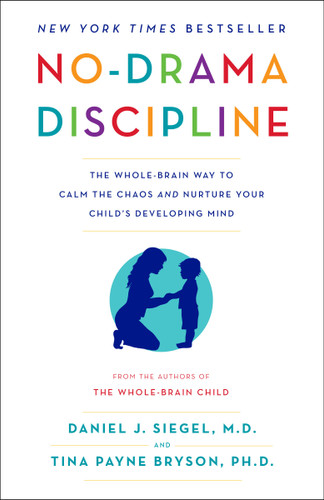
No Drama Discipline by Dan Siegel & Tina Payne Bryson
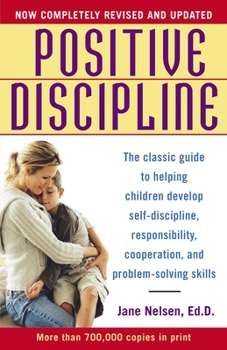
Positive Discipline by Jane Nelson

Positive Discipline in the Montessori Classroom by Jane Nelsen & Chip DeLorenzo