“The child has a different relation to his environment from ours… the child absorbs it. The things he sees are not just remembered; they form part of his soul.” – Dr. Maria Montessori
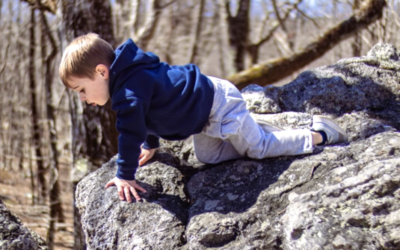
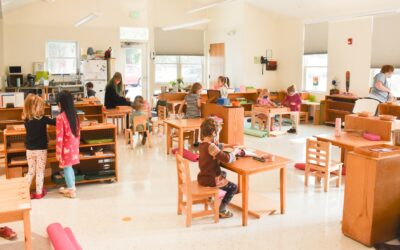
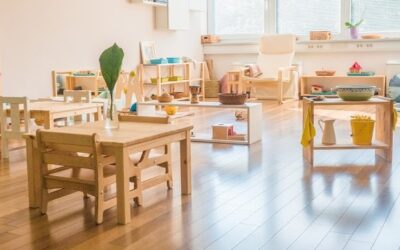
Dr. Montessori saw the outdoor environment as a natural extension of the classroom. Working outside allows children to explore with all their senses, fosters scientific inquiry, and inspires creativity. Over the past several years, the Greenspring community has come together to create truly beautiful outdoor spaces on campus for this growth to take place. They have become a deeply beloved extension to the classroom. Now more than ever, these environments are an essential part of our Montessori approach to education. Below we have outlined what has been happening this year in our Outdoor Environments at each level.
Toddlers

Toddlers are still in the developmental phase that Dr. Montessori said could be characterized by an “absorbent mind,” in which they soak up information through their senses. So we offer rich opportunities in the outdoor environment to see, touch, hear, smell, and taste. Depending on the day, you will see toddlers watering plants, sweeping the sidewalk, washing windows, filling the bird feeder, digging in sand, sorting pinecones and acorns, pouring water through funnels, and more. The toddlers enjoy tasting the herbs and vegetables that grow in their garden!



Children’s House

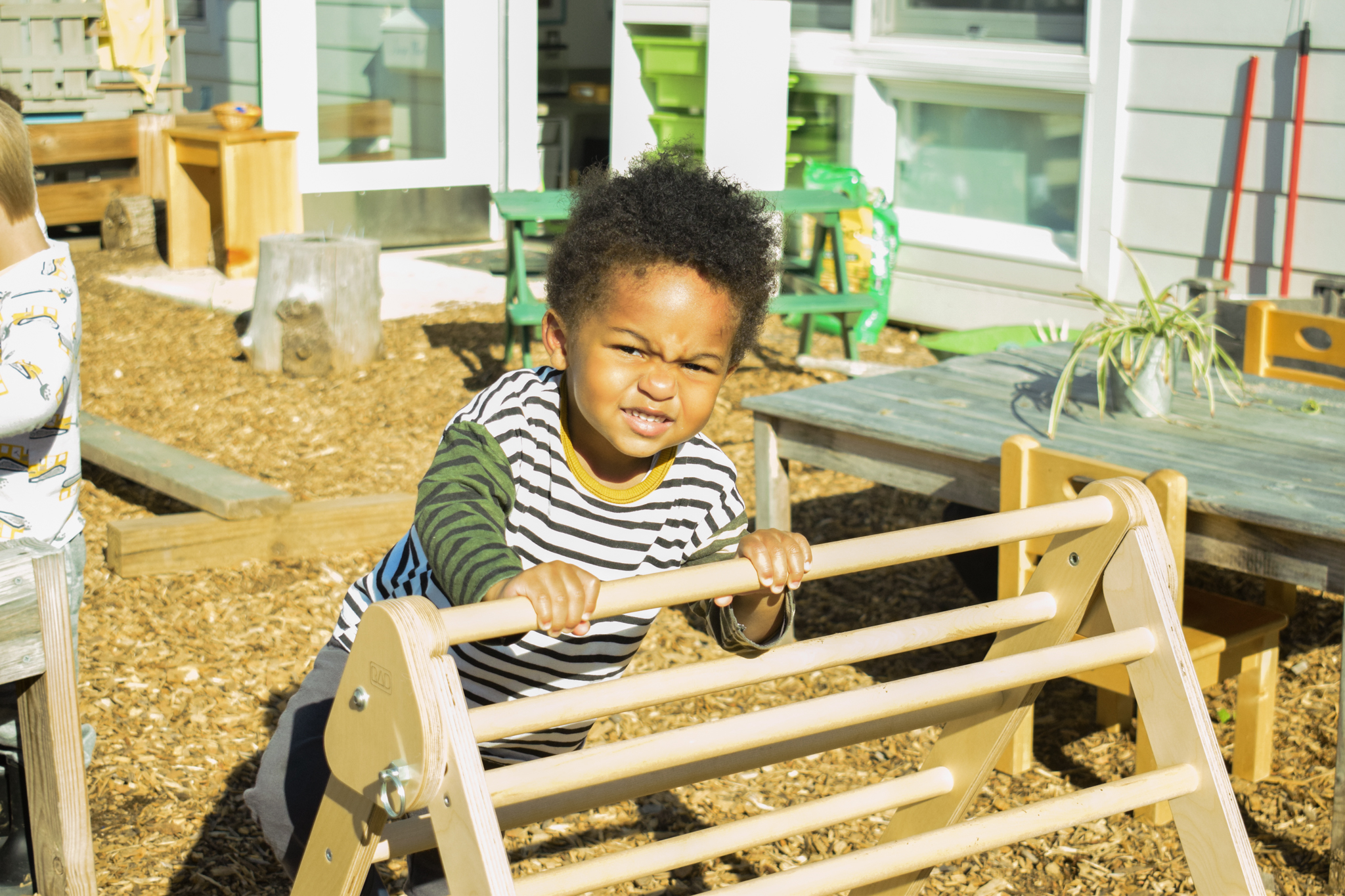
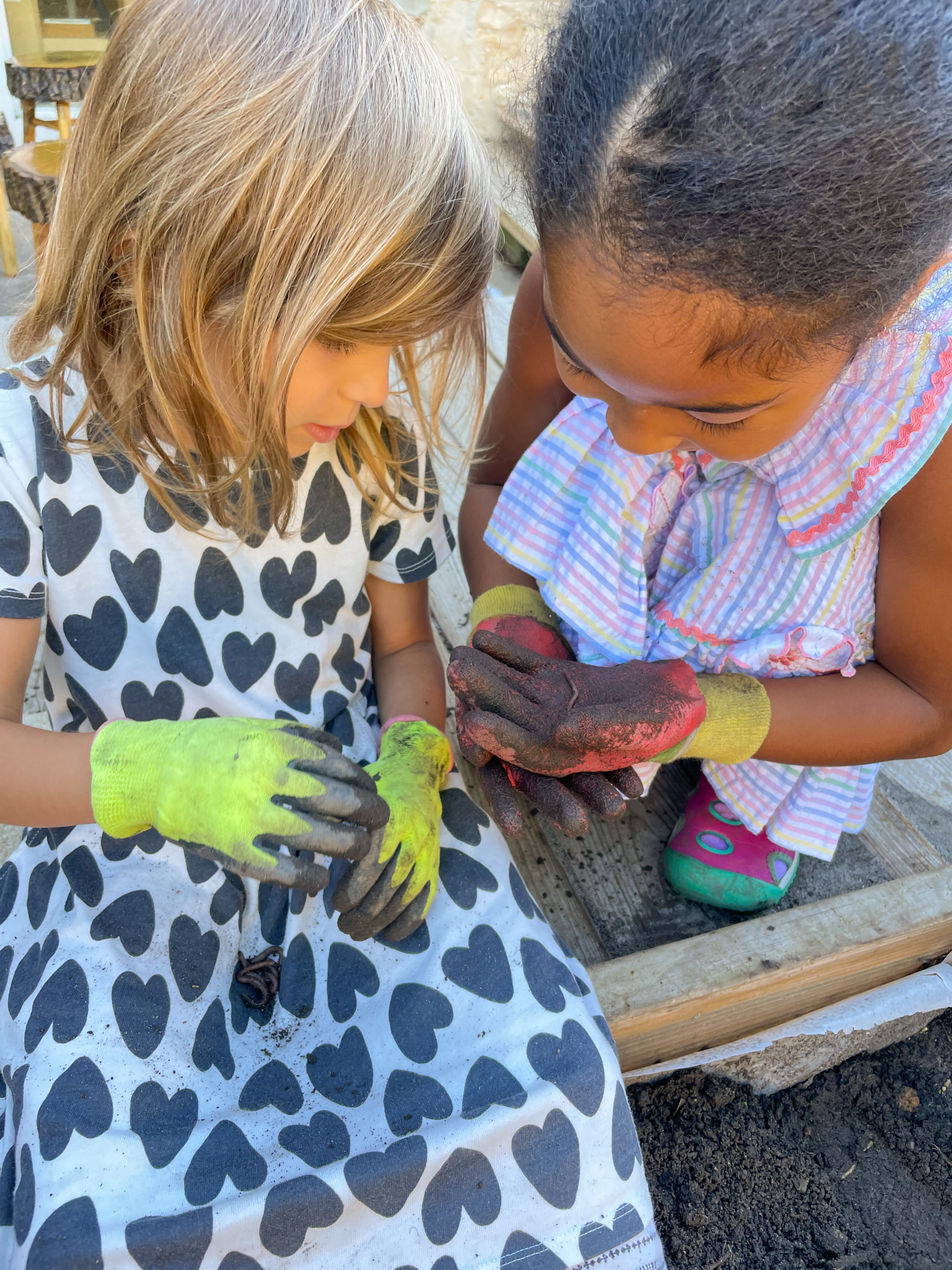
Students in our Children’s House classrooms also tend to the garden – planting, watering, weeding, and harvesting. Children also enjoy additional practical life, sensorial, art, and science activities, such as hammering nails into a tree stump, pumpkin scrubbing, creating geometric shapes from twigs, making collages from seeds, cutting zinnias for flower arranging, and experimenting with scientific concepts such as “sink and float.” On rainy days you might see students in the kitchen making apple sauce or baking pumpkin bread.



A Note on “Bad” Weather
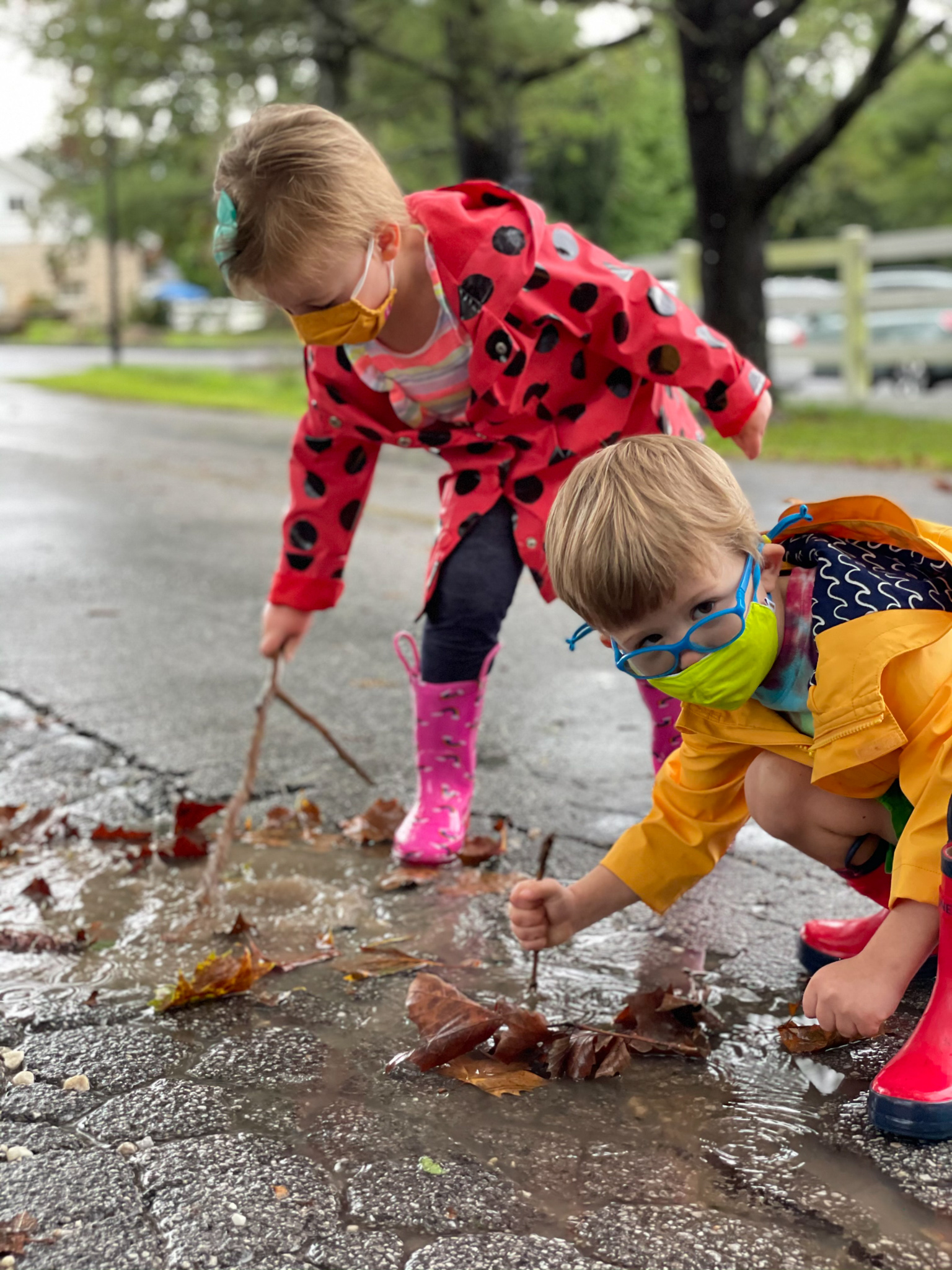
Our Outdoor Environments are open year-round, meaning that rain and snow simply become part of the prepared environment! Children have rain boots, rain jackets, and outdoor gear for all seasons so that the weather becomes another sensory experience. Guides and Assistants in Montessori classrooms are also particularly mindful not to instill learned feelings toward particular weather, keeping language neutral and descriptive.
Elementary
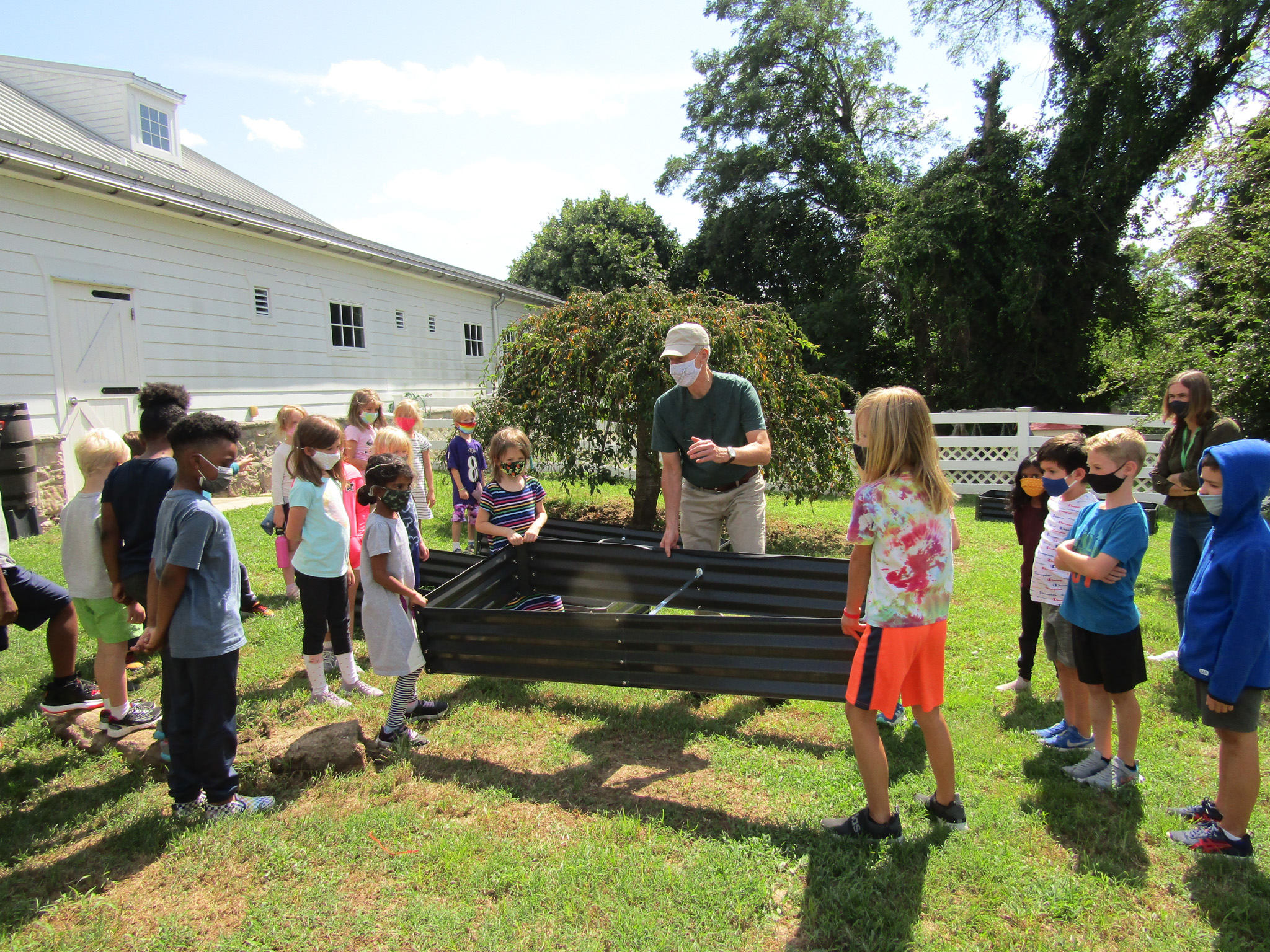
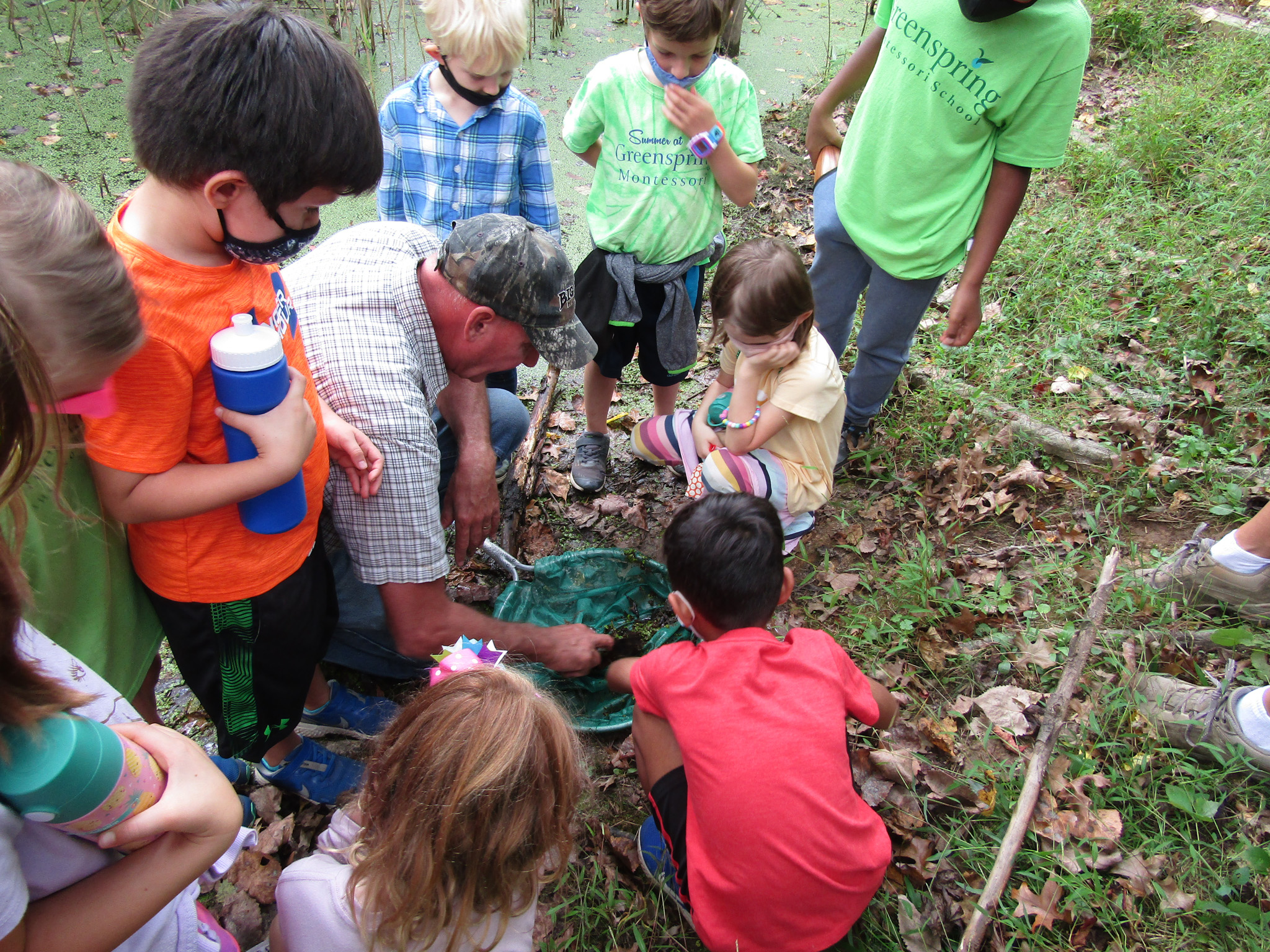
The Elementary outdoor environment includes all this and also complements the science lessons happening in the classroom. Students learn to identify the bird calls they hear in nature, identify different animal tracks, and identify the parts of a plant by dissecting a specimen from the garden. Students conduct science experiments in their garden to learn about plant respiration, soil composition, and photosynthesis. The values of environmentalism, service, and scientific exploration are nurtured through these experiences.
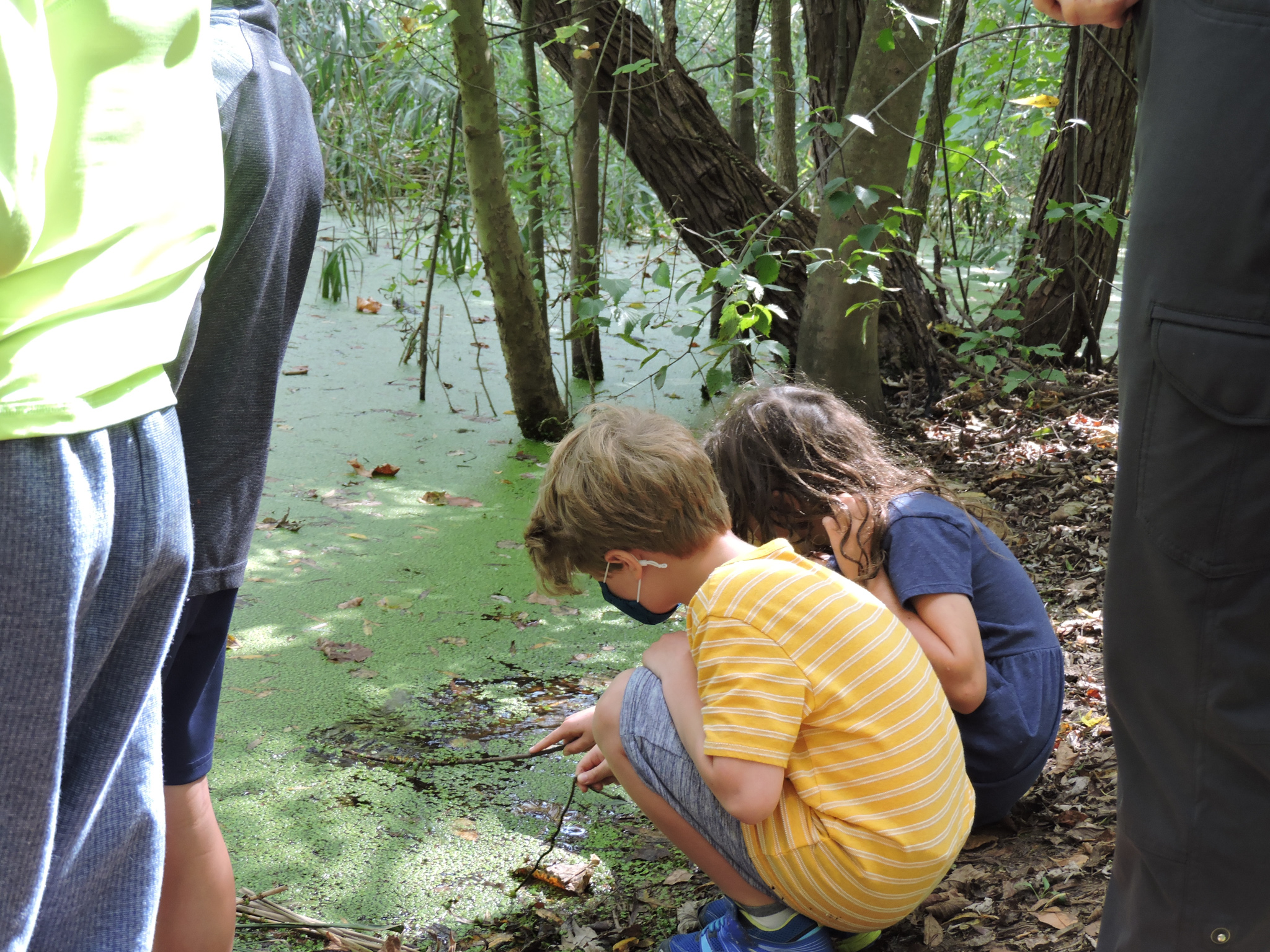
Children are also ready for more exploration into the greater community. Field trips and Going-Outs offer valuable opportunities for children to experience the natural world in a new way. Recently, Lower Elementary students went on a field trip to Oregon Ridge Nature Center, sparking new research of local wildlife.




Adolescents
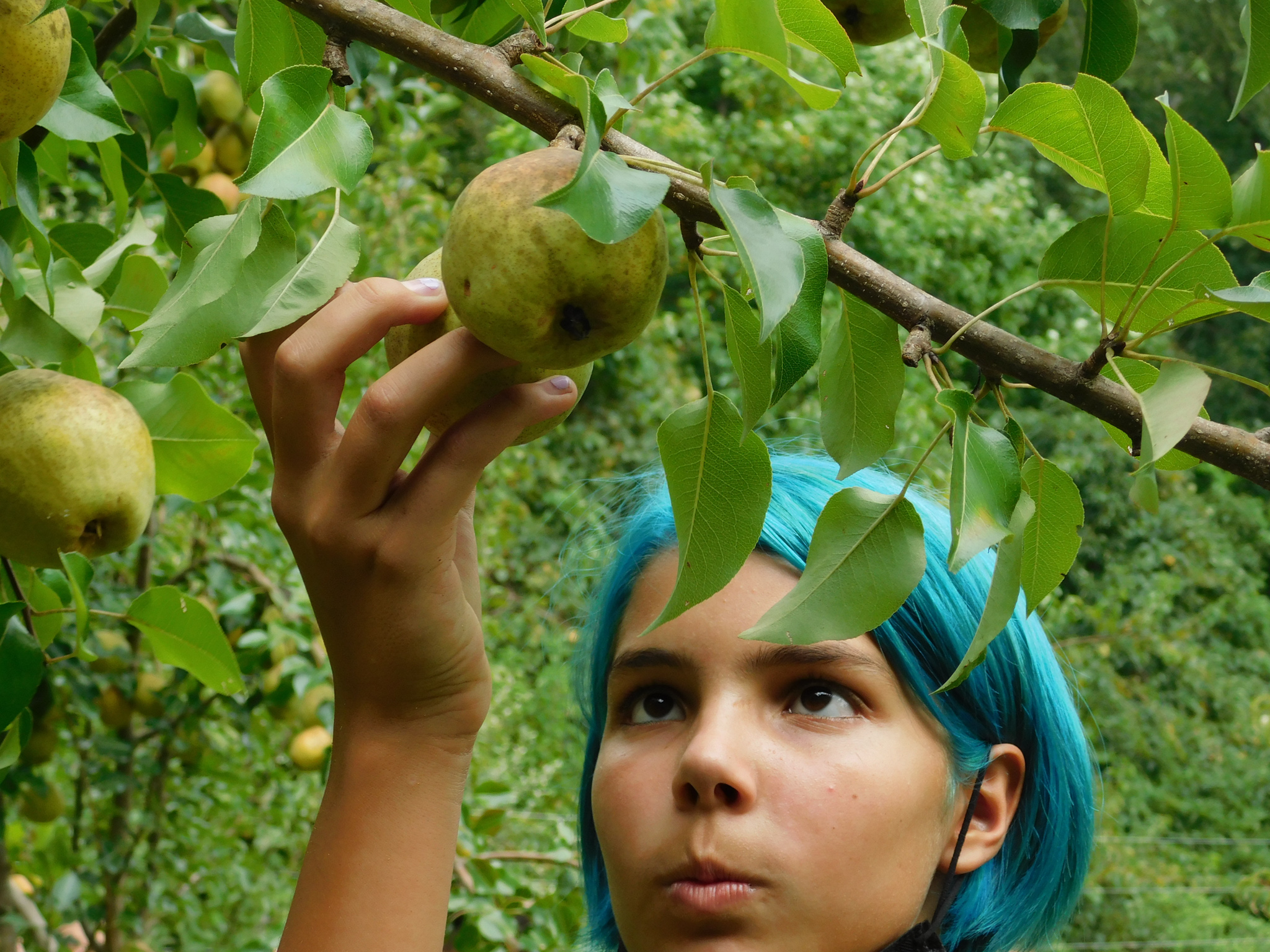
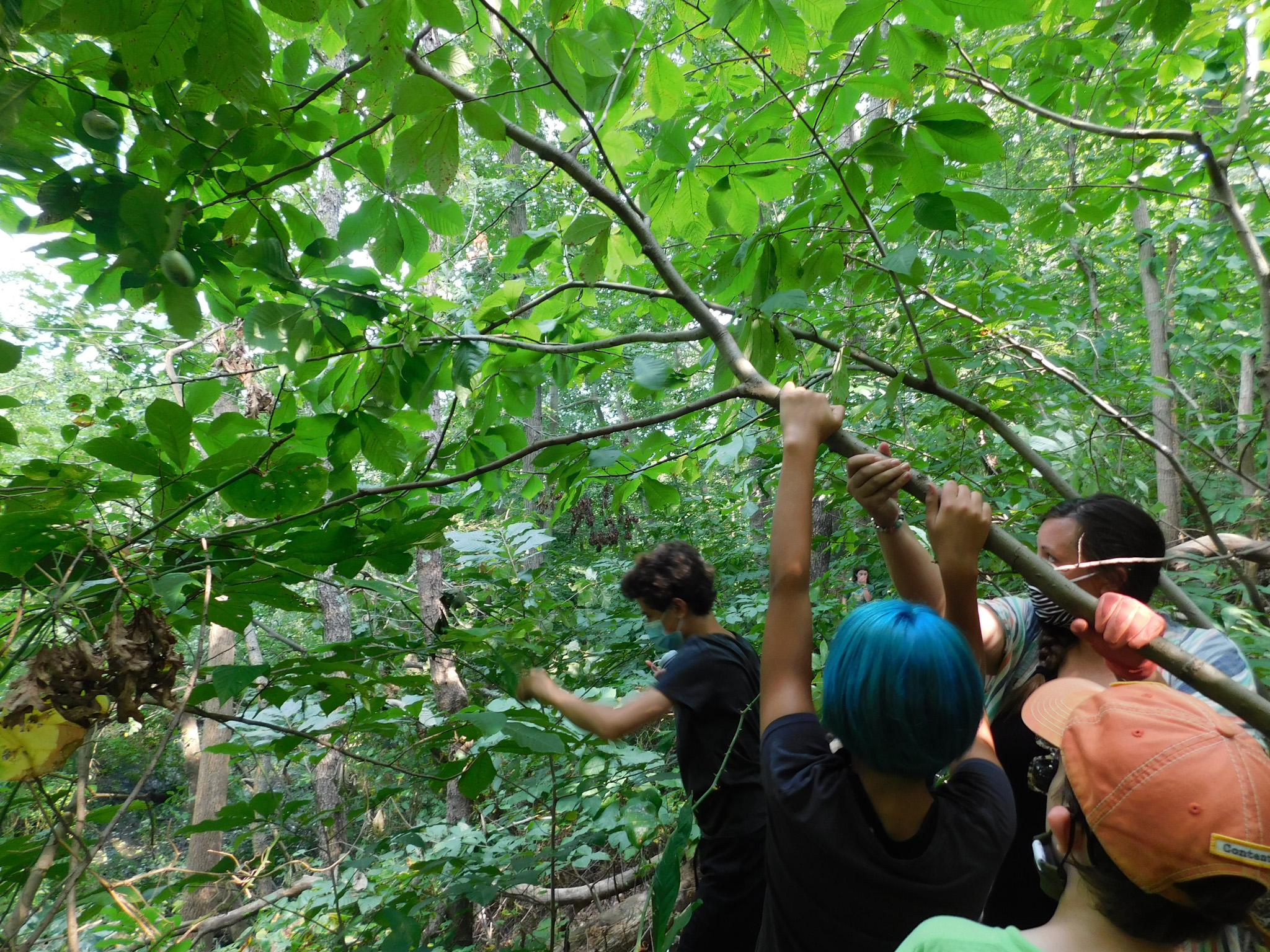
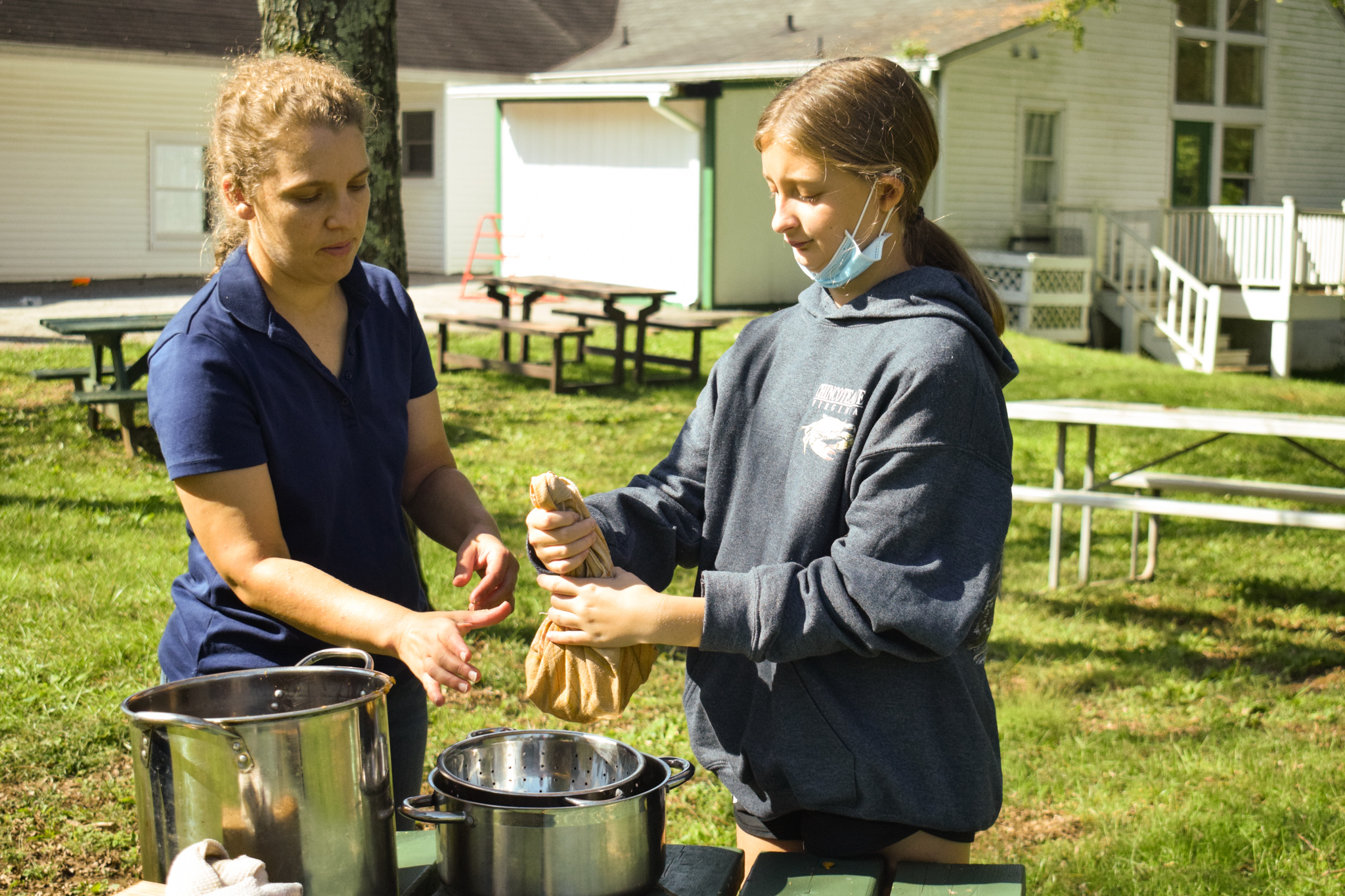
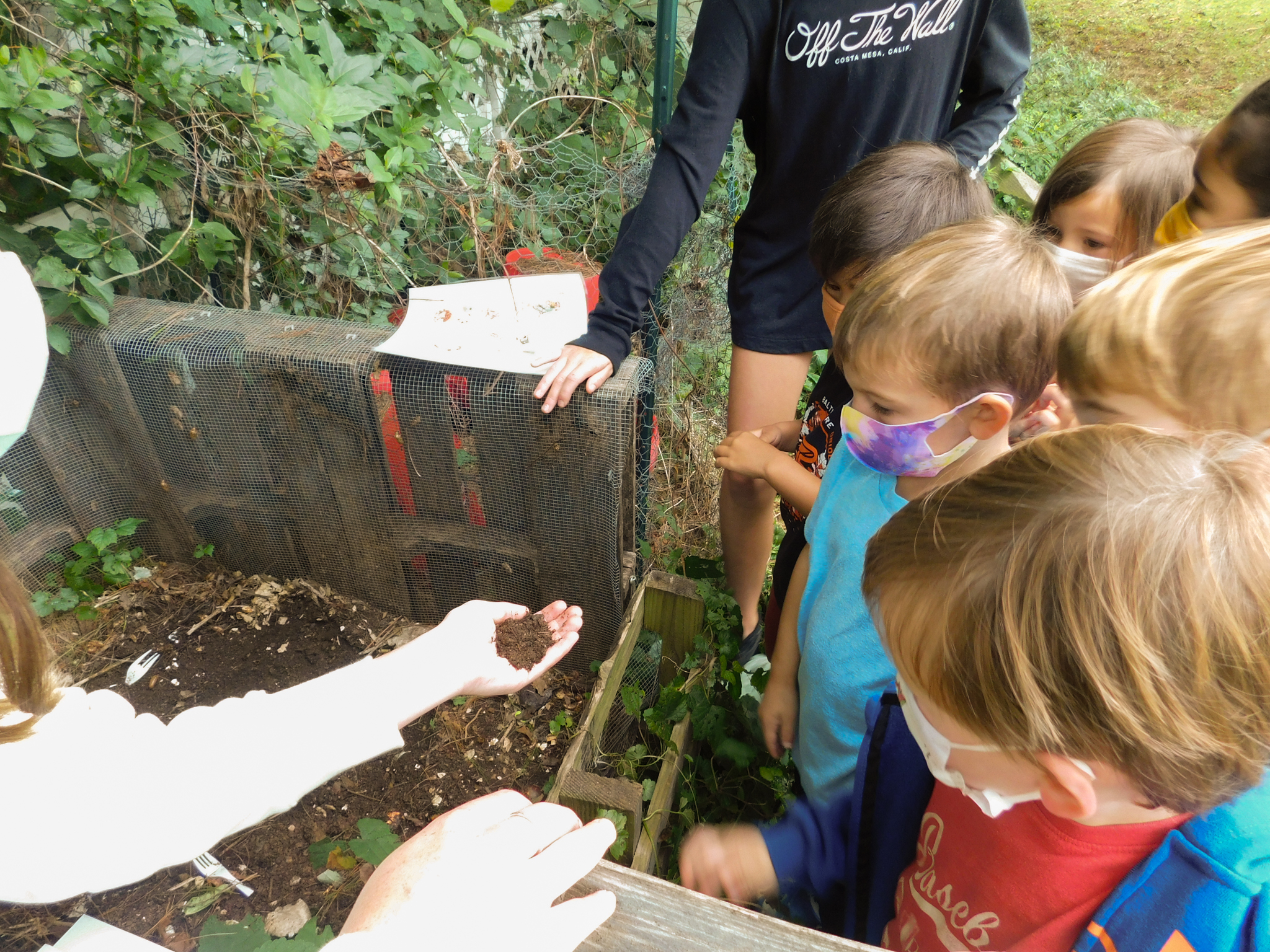
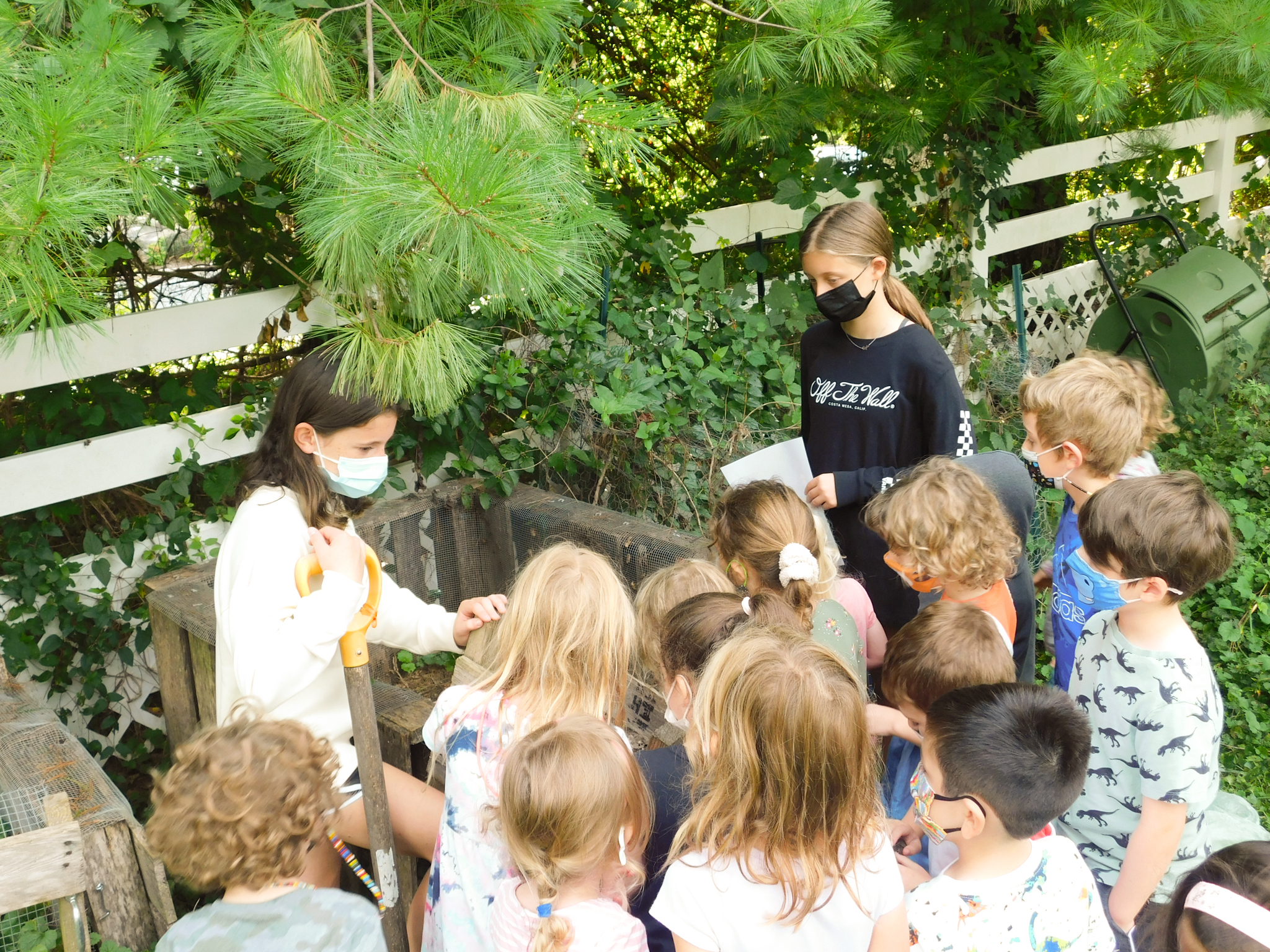
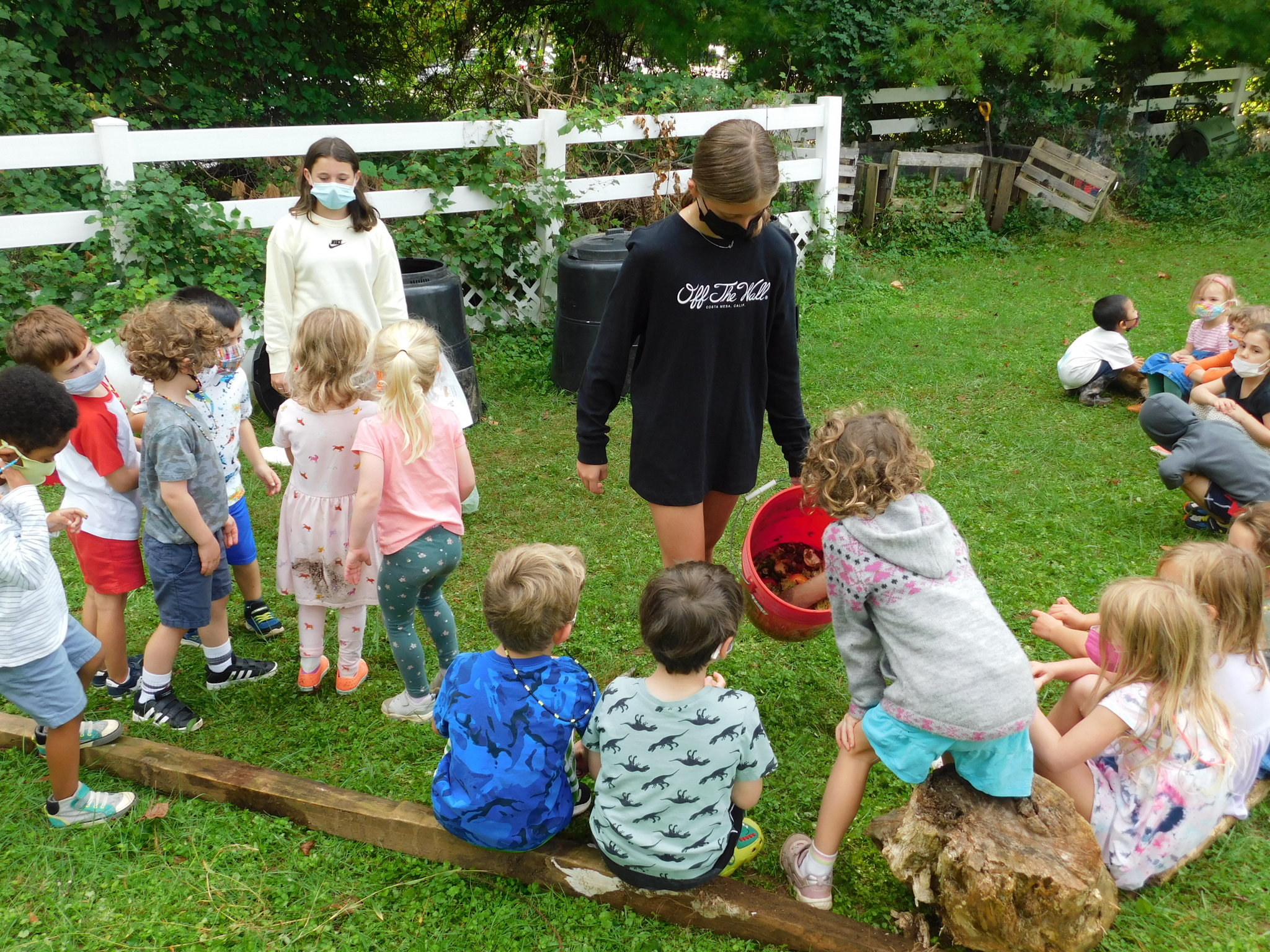
Dr. Montessori envisioned her Adolescent program as a working farm. So in addition to their classroom lessons and studies, our Adolescents honor Dr. Montessori’s vision by tending to a piece of our property called “The Land” – planting, tending to, and harvesting their gardens. The Adolescents also run a campus-wide composting program and give classes to younger students about how composting works and why it’s important. Over the years, we have seen our Adolescents caring for chickens, building a greenhouse, running a CSA, clearing invasive plants, and more. You can learn more about our Adolescents and their work on The Land here.
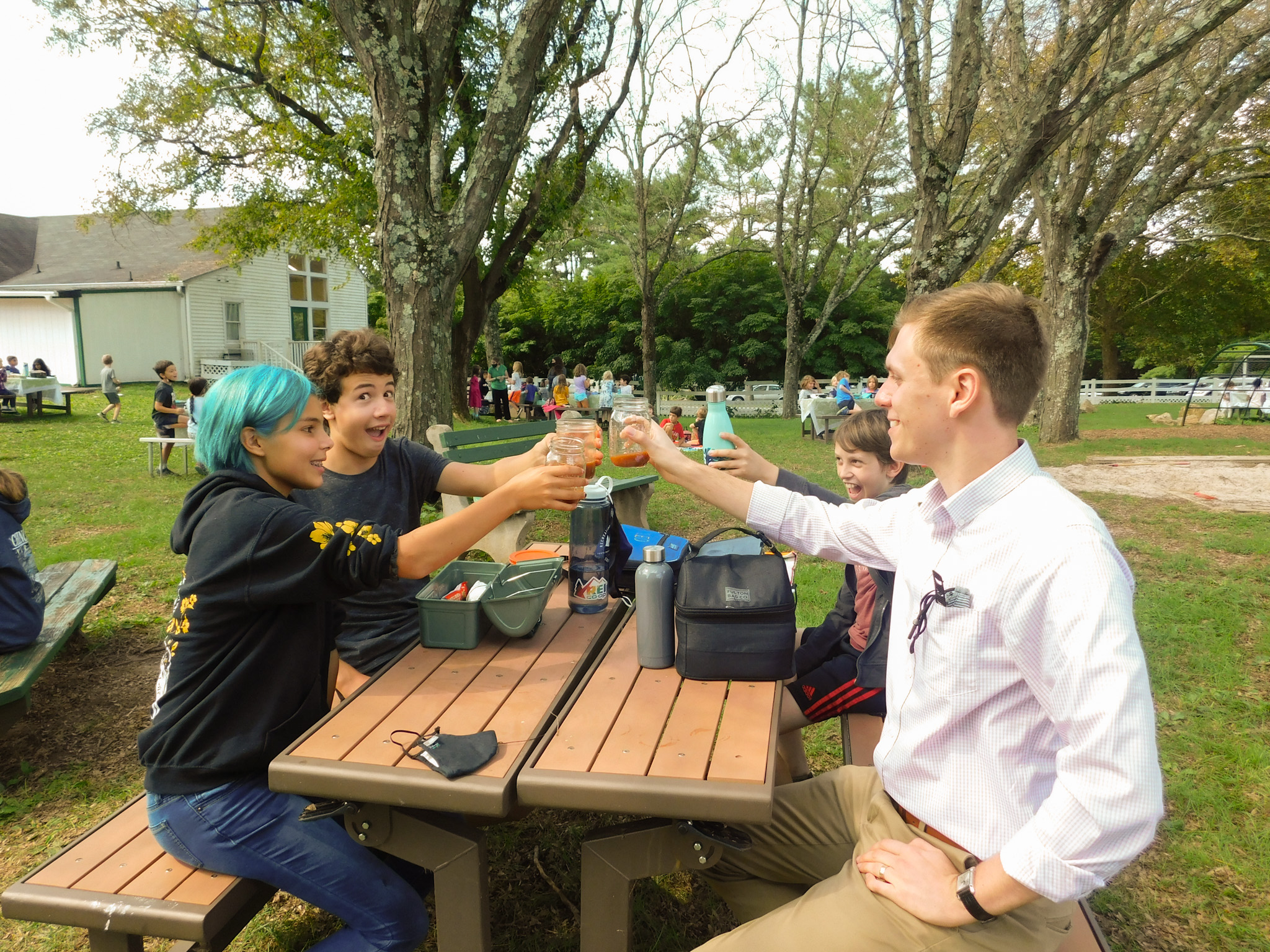
In September, Adolescents also went on a week-long Odyssey trip to Echo Hill Outdoor School on the eastern shore. This was an immersive community-building experience where the students looked closely at how our food is grown, a great introduction to their first science unit on the biochemistry of food. After returning to campus, students also created apple cider from local apples. They will be studying the process of fermentation and making vinegar.
The more children are outside, the stronger their connection with nature will become. As Dr. Montessori said, “When children come into contact with nature, they reveal their true strength.”